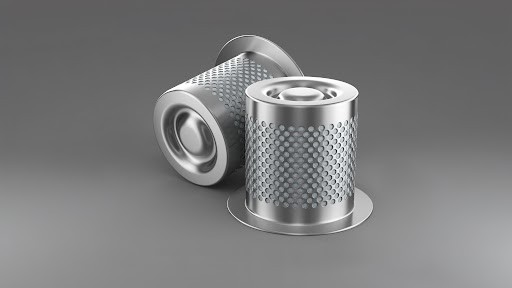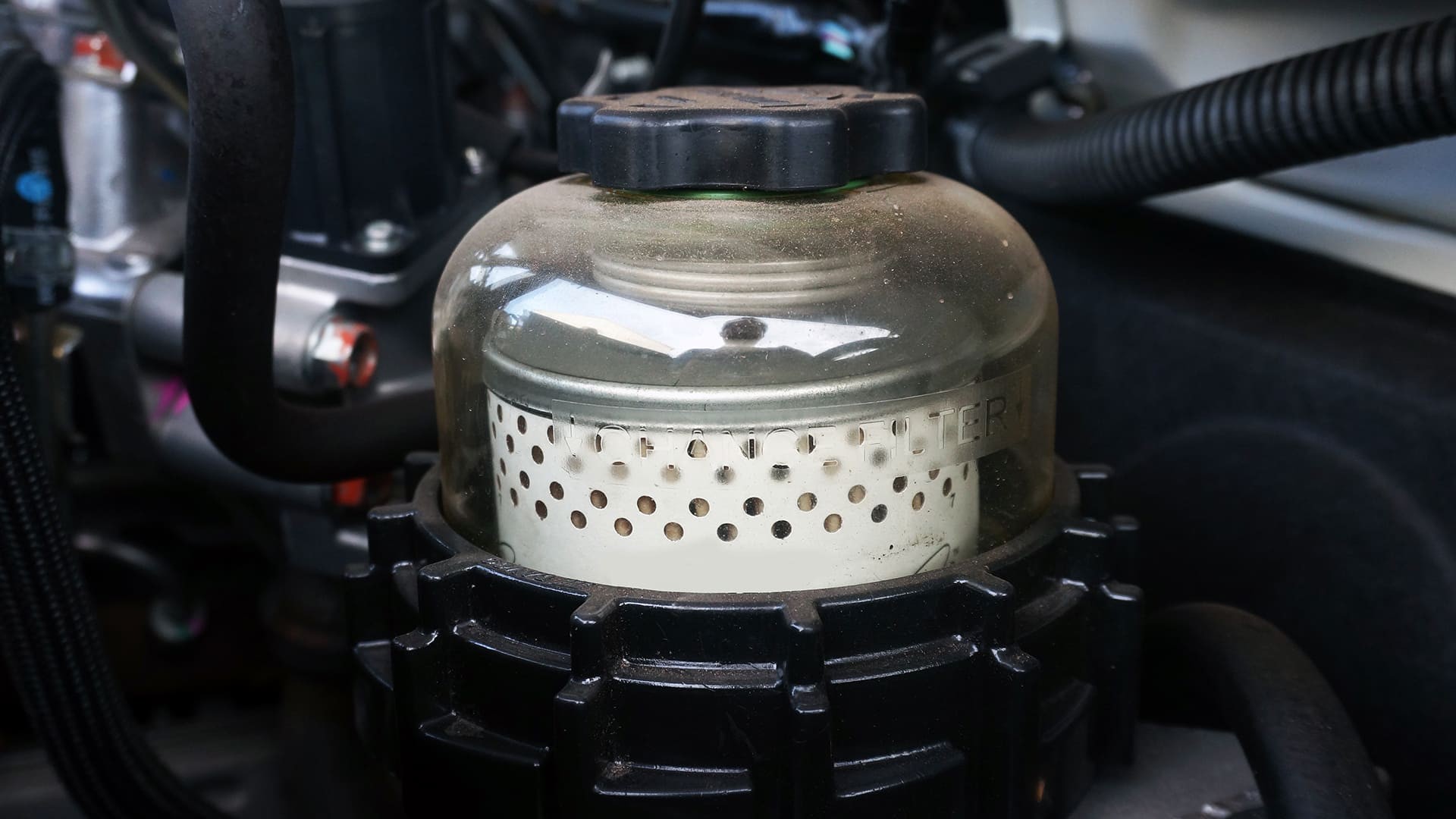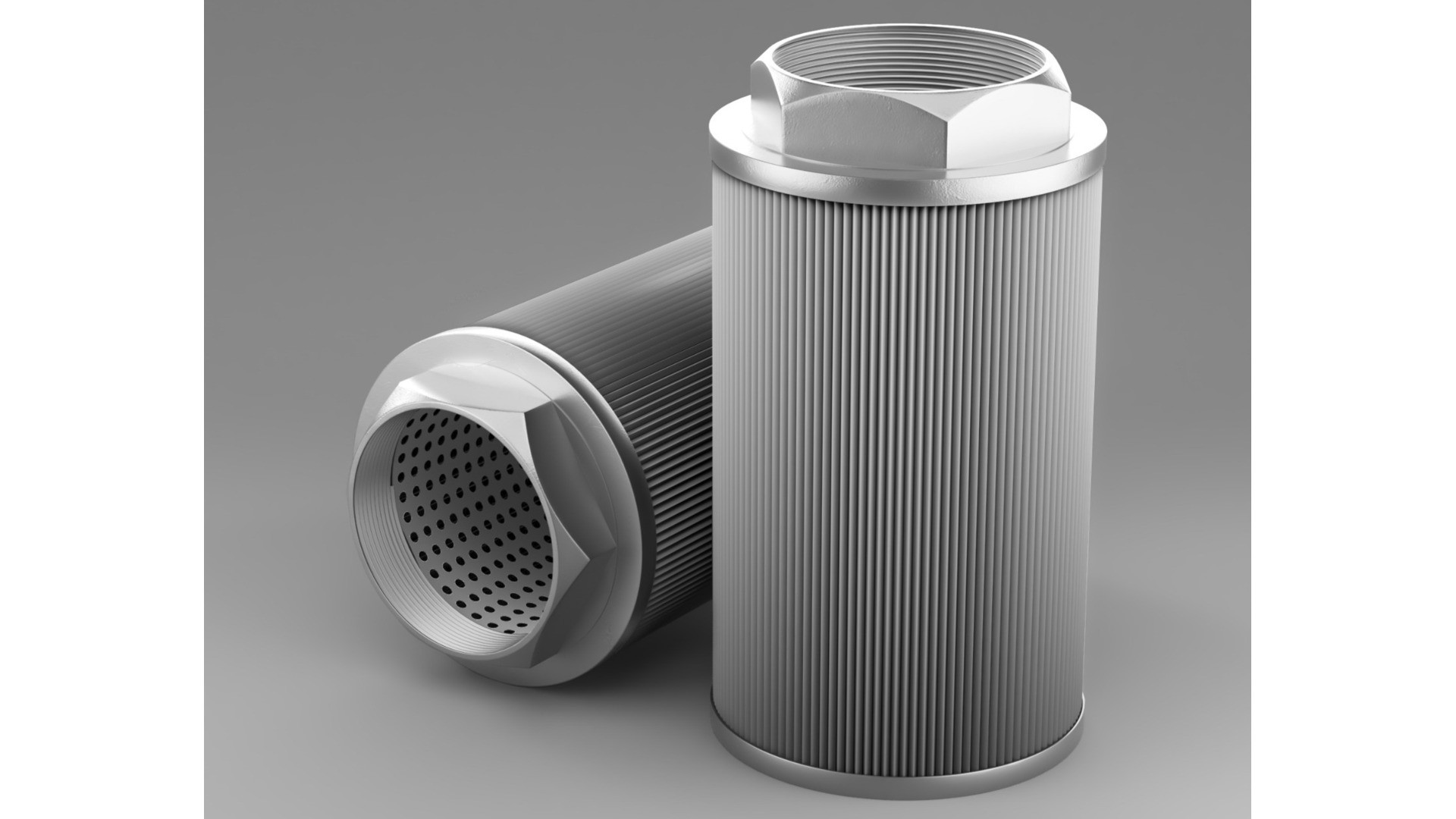
A filter specification sheet is a fit and performance contract. It tells you whether the element will seat in the housing, whether it will pass the flow at the viscosity you actually run, and whether it will survive the differential pressure of a cold start. Most buying mistakes happen when a buyer reads only the part number and the micron rating, then assumes the rest.
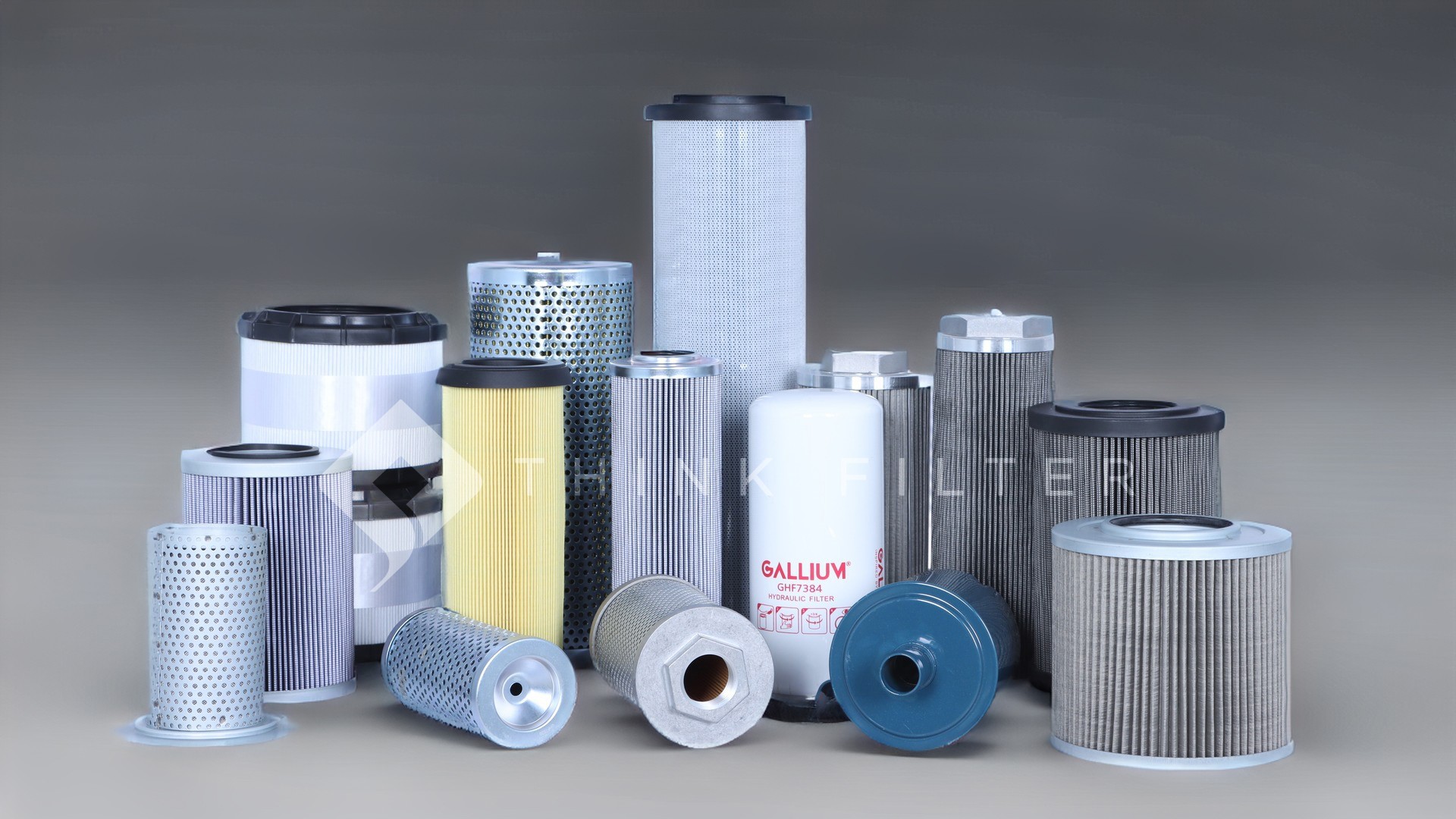
We stock Donaldson, Fleetguard, Pall, Hydac and MANN elements in Aweer for hydraulic, fuel, lube and air systems. The sheets behind those parts use the same handful of fields. Once you can read them in order, a catalog page stops being a wall of numbers and becomes a checklist.
A filter specification sheet is a fit and performance contract, not a brochure
A specification sheet has two jobs. The first is geometric: it proves the element fits the housing, the spigot, the thread and the seal. The second is hydraulic: it proves the element can pass the rated flow without collapsing or bypassing. A brochure can skip either job. A sheet used for stock planning cannot.
The fields are not equally important. Start with the part number and supersession, then the dimensions, then the performance numbers. Buyers who start with the micron rating often end up with a filter that protects the system but does not fit it.
Start with the part number and the supersession, not the brand
The part number is the anchor. It should match the housing, the OEM callout and the current supersession. A number that has been replaced twice can still be sold as new old stock, and the sheet may not mention the change. Check the suffix as carefully as the prefix.
A suffix can mean a thread size, a seal material, a bypass setting or a regional variant. The same base number with a different suffix can be a different filter. If the sheet lists a supersession, read the note. If it does not, ask for the OEM number and compare the dimensions before you order.
For brand-level substitutions, our guide to OEM vs aftermarket filters for UAE fleets covers the warranty and duty-cycle side. The specification sheet is the technical side.
Dimensions and connection: the six fields that decide fit
Six fields decide whether the element goes in without a leak:
- Outside diameter, measured at the widest point, not the nominal can size.
- Inside diameter, including the spigot or the inner seal land.
- Overall length, including any end cap or threaded stud.
- Thread size and pitch, for spin-on and cartridge designs.
- Gasket or O-ring material and profile, including the groove dimensions.
- End cap type, such as open, closed, metal, plastic or bayonet.
A filter can match the first three and fail on the fourth. A 1 inch UNF thread is not the same as a 1 inch BSP thread, even when the can looks identical. A nitrile seal that works for diesel can swell in a phosphate ester. The sheet should state the seal material, not just the seal size.
Micron rating and beta ratio: read the efficiency claim the way the lab did
A micron number alone is not an efficiency claim. It is a size, and it needs a test method behind it. A nominal rating and an absolute rating are different promises. The beta ratio is the number that tells you how the filter performed at a given particle size.
Beta is the count of particles upstream divided by the count downstream at a stated micron size. A beta of 200 at 10 microns means 200 particles upstream for every one downstream, which is 99.5% efficiency. A beta of 1000 at the same size is 99.9%. The difference sounds small until you multiply it by the flow and the hours.
ISO 16889 is the multi-pass test that produces these numbers for hydraulic elements. It uses ISO medium test dust and continuous contaminant injection, and it reports a beta curve rather than a single headline figure (ISO 16889:2022). The standard runs three upstream gravimetric levels, 3, 10 and 15 mg/L, which is one reason two filters tested at different levels are not directly comparable. The standard's own introduction says: "In practice, a filter is subjected to a continuous flow of contaminant entrained in the hydraulic fluid until some specified terminal differential pressure is reached."
"The Beta ratio is defined as the number of particles upstream greater than x microns divided by the number of particles downstream greater than x microns," wrote Mike Day in Machinery Lubrication. The same article notes that a single beta number can hide how the filter behaves across the size range.
For the full explanation of nominal, absolute and beta ratings, our guide to filter micron ratings goes deeper. The short version for a specification sheet is this: match the rating to the damage mechanism, not to the marketing number.
Flow rate and pressure drop: size the element to the system, not the can
Flow rate is always quoted at a viscosity. A sheet that says 100 liters per minute without saying at what viscosity is incomplete. Hydraulic oil at 32 cSt flows more easily than the same oil at 46 cSt, and a cold start can push viscosity much higher. The pressure drop across a clean element rises with flow and viscosity, and it rises again as the element loads.
ISO 3968 is the test for differential pressure versus flow. It measures the pressure loss across the housing and the element at different flow rates and viscosities (ISO 3968:2017). Use that curve to check the clean pressure drop at your worst-case cold start, not just at the operating temperature on the datasheet.
A filter that is correctly sized at 40 degrees Celsius can go into bypass at 10 degrees Celsius if the housing relief valve opens before the element has warmed. That is not a filter failure. It is a sizing failure. The sheet gives you the curve; the system gives you the flow, the fluid and the coldest start.
Collapse and burst pressure: the number that protects the housing
Collapse pressure is the differential pressure the element can take before the media or the center tube fails. ISO 2941 verifies that rating by pumping contaminated fluid through the element until it collapses or reaches the maximum expected differential pressure without failing (ISO 2941:2009).
This number matters most on cold starts, on blocked filters and on systems with a late-warning differential pressure switch. If the element collapses, the contamination it was holding can move downstream in one event. A 10 bar collapse rating and a 20 bar collapse rating are not interchangeable just because the dimensions match.
The ISO 2941 introduction puts it plainly: the element's ability to maintain a cleanliness level depends on its performance and structural integrity, and on its ability to withstand non-steady-state conditions. A specification sheet that lists efficiency but not collapse pressure is only half a sheet.
Media, seals and fluid compatibility: the fields buyers skip
Media type decides what the filter can hold and what it can tolerate. Cellulose, synthetic, glass fiber, wire mesh and depth media all behave differently with water, heat and pressure. The sheet should name the media, not just the efficiency.
Seal material is the other half. Nitrile is common for diesel and mineral oil. Fluorocarbon is common for high-temperature and aggressive fluids. EPDM and silicone appear in specific applications. A seal that swells, hardens or dissolves will leak before the media loads.
ISO 2943 covers material compatibility with fluids. The sheet should state the compatible fluids and the temperature range. In the UAE, the temperature range is not a laboratory detail. A filter that is fine at 40 degrees Celsius in a European catalog can see much higher under-hood or skid temperatures in July.
Air, fuel and hydraulic sheets ask different questions
An air filter sheet is not a hydraulic sheet with a different part number. Air filters are tested for efficiency, initial restriction and dust capacity under ISO 5011. The numbers you need are the initial pressure drop at rated flow, the efficiency at the test dust size and the dust holding capacity.
Fuel filter sheets add water separation, water coalescence and sometimes a water-in-fuel sensor port. Diesel fuel filters are tested under standards such as ISO 4020 and ISO 19438, which cover efficiency and contaminant retention. A fuel sheet should tell you the water separation efficiency and the micron rating, not just the thread.
Hydraulic sheets lean on ISO 16889, ISO 2941 and ISO 3968. The same word, efficiency, means a different test in each family. Read the standard reference before you compare two numbers.
The UAE field check: dust, heat, humidity and storage
The UAE adds three stresses that a European datasheet may not emphasise. The first is dust. A 2020 study of Abu Dhabi monitoring stations found annual average PM10 of about 132 micrograms per cubic meter in urban core areas and about 162 in industrial areas, against a WHO annual guideline of 15 (Springer, 2020; WHO, 2021). Air filters load faster here, and so do the filters on equipment that breathes dusty air.
The second is heat. Media, seals and plastics age faster at sustained high temperature. A filter that is stored in a non-climate-controlled warehouse for two years may not match the sheet when it is finally installed.
The third is authenticity. A part number can be copied, and a counterfeit element can carry a real number on the box. Buy from a source that can show the supersession and the batch. The specification sheet is only useful if the part inside the box matches it.
A 60-second pre-order checklist
- Part number matches the housing and the current supersession.
- Dimensions match at the outside diameter, inside diameter and overall length.
- Thread and seal match, including the seal material.
- Micron rating and beta ratio match the damage mechanism, not just the catalog headline.
- Clean pressure drop is acceptable at the coldest start and the highest flow.
- Collapse pressure is at least the system's worst-case differential pressure.
- Media and seal are compatible with the fluid and the temperature.
- The source can confirm the supersession and the batch.
If you are comparing a sheet against a live catalog, start with the UAE filtration standards guide and then check the hydraulic, fuel and oil ranges. The full filter catalog shows the formats we hold in Aweer.
Frequently asked questions
What is the most important field on a filter specification sheet?
The part number and supersession come first, because a technically perfect filter that does not fit is still the wrong filter. After that, the dimensions and the beta ratio at the target particle size are the two fields that decide whether the element fits and protects.
Is a higher micron rating better?
No. A higher micron number means the filter removes larger particles, not more of them. A 25 micron filter is coarser than a 10 micron filter. Choose the rating that protects the clearance or the component, then check the beta ratio at that size.
What does beta 200 mean?
Beta 200 means 200 particles upstream for every one particle downstream at the stated micron size, which is 99.5 percent efficiency. Beta 1000 is 99.9 percent. The beta number is only meaningful when it is tied to a micron size and a test method.
Can I use a filter with the same dimensions but a different micron rating?
Only if the system can tolerate the change. A finer filter may improve protection but raise pressure drop and shorten service life. A coarser filter may pass particles that the original element was holding back. Check the flow, the pressure drop and the bypass setting before you substitute.
Why does the same part number have different suffixes?
A suffix can indicate a thread, a seal material, a bypass setting, a regional variant or a supersession. The base number alone is not enough. Compare the full suffix and the dimensions before you order.
Author
Meera Ajesh is Chief Operating Officer at ThinkFilter. She works on filtration specification, cross-reference and stock planning for industrial and fleet buyers across the UAE.







 Facebook
 Instagram
 LinkedIn