Oil and gas filtration is not one duty. It is a chain of duties that starts at the wellhead, runs through pipelines and terminals, and ends at a refinery or petrochemical plant. The contaminant changes at every stage, and so does the filter. A produced-water cartridge that works upstream will not protect a refinery catalyst, and a fuel-water separator at a genset is not a midstream coalescer.
We stock Pall, Parker, Donaldson, Fleetguard and Racor filtration in Aweer for UAE industrial buyers. The formats range from high-flow pleated cartridges to spin-on fuel separators and hydraulic elements. The first question is always the same: which stage of the chain are you protecting?
Upstream, midstream and downstream remove different contaminants for different reasons
Pall defines oil and gas filtration as "the removal of solids, water, aerosols and other contaminants from produced fluids and process streams to help protect equipment, maintain process efficiency and support reliable operation across upstream, midstream and downstream environments" (Pall). That definition is broad on purpose. The stage decides what the filter sees.
Upstream is closest to the reservoir. The fluids are drilling mud, completion fluid, produced water, condensate and injection water. The contaminants are sand, clay, scale, oil droplets and bacteria. Midstream moves the product. The fluids are crude, natural gas, condensate and refined products in pipelines, terminals and storage. The contaminants are pipeline debris, water carryover, compressor lube oil and sulphur compounds. Downstream processes the product. The fluids are refinery feed, intermediate streams, amine, glycol and final product. The contaminants are fine solids, water, acid gases and catalyst poisons.
Upstream: protect the well, the pump and the injection line
Upstream filtration has two jobs that are easy to confuse. The first is equipment protection: keep sand and scale out of pumps, valves, heat exchangers and injection pumps. The second is formation protection: make sure the water you inject does not plug the pore throats of the reservoir.
Produced water is the hard case. Parker's application note on produced water says: "Generally, dirt load in produced water is very high (up to 400-500 ppm) and a series filtration process is recommended" (Parker). The same note describes a coarse prefilter, such as a deep bed or dual media filter, followed by polishing filters that can go down to 0.5 micron absolute. The polishing grade is chosen against the formation, not against a catalog default.
Coalescers do a different job. They do not remove oil by themselves. They grow small oil droplets into larger ones so the downstream separator can remove them. OSPAR's produced-water review describes a pre-coalescer that "can boost the performance of the downstream deoiling hydrocyclones and reduce the oil in water concentration in the discharge stream by up to 80%" (OSPAR). The same document notes that the coalescer media is typically changed when the pressure drop reaches 3 bar.
In the UAE, upstream also means seawater injection, sand, heat and sour service. A filter that is fine on a cool, sweet stream can fail on a hot, sour one. Check the seal, the housing material and the collapse rating before you check the price.
Midstream: protect the pipeline, the terminal and the custody-transfer point
Midstream filtration is about keeping the product moving. Pall describes midstream as the separation of oil, gas and water and the removal of solids from produced fluids and process streams, including compressor lubricants and solvent recycle streams (Pall midstream).
The equipment list is long: inlet separators, coalescers, glycol dehydrators, amine sweetening units, molecular sieve beds, mercury removal beds, compressor lube systems and custody-transfer meters. Each one has a filter or a separator in front of it. The filter protects the equipment, and the equipment protects the product specification.
Pipeline debris is its own problem. Pigging, construction debris, mill scale and corrosion products move with the gas or the liquid. A terminal that filters only at the ship loading point is filtering too late. The contamination has already passed the pumps, the meters and the heat exchangers.
Midstream also carries the water that did not come out upstream. A coalescer or a fuel-water separator at the terminal protects the downstream unit from a water slug that the upstream separator missed. That is the same job our fuel water separator guide for diesel generators covers on the engine side, but the scale and the housing are different.
Downstream: protect the refinery, the catalyst and the final product
Downstream filtration is where the cost of contamination is measured in catalyst life and product quality. Pall's refining page lists the failure modes plainly: catalyst poisoning, equipment fouling, higher maintenance and downtime (Pall refining). The filter's job is to remove the solids and water that cause those failures before they reach the reactor, the exchanger or the product tank.
Refinery feed filtration, amine systems, caustic treatment, hydroprocessing, alkylation and final product filtration all use different formats. A cartridge that works on a cool amine stream may not work on a hot hydrocarbon stream. A filter that protects the catalyst may be too fine for the flow, and a filter that passes the flow may pass the poison.
Petrochemical plants add another layer. Ethylene, propylene and polymer processes are sensitive to trace contaminants, and the filter is often the last barrier before the catalyst. Pall's petrochemical page describes filtration at feedstock, intermediate and final product stages, including catalyst protection and molecular sieve protection (Pall petrochemicals).
Match the filter format to the stream, not the catalog page
The format follows the contaminant and the flow. A short list:
- Bag filters for high dirt load and coarse capture at terminal or plant intake.
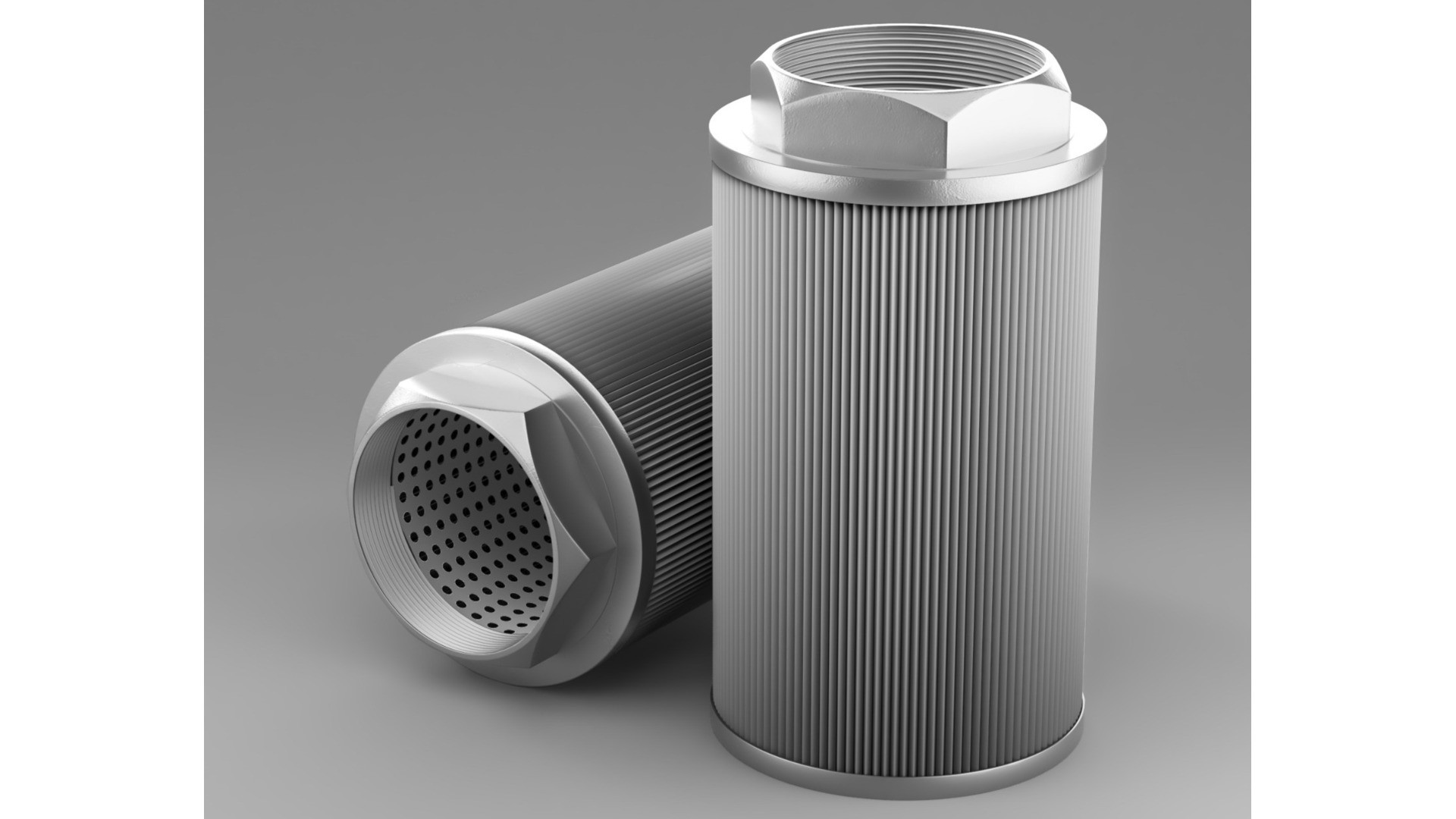
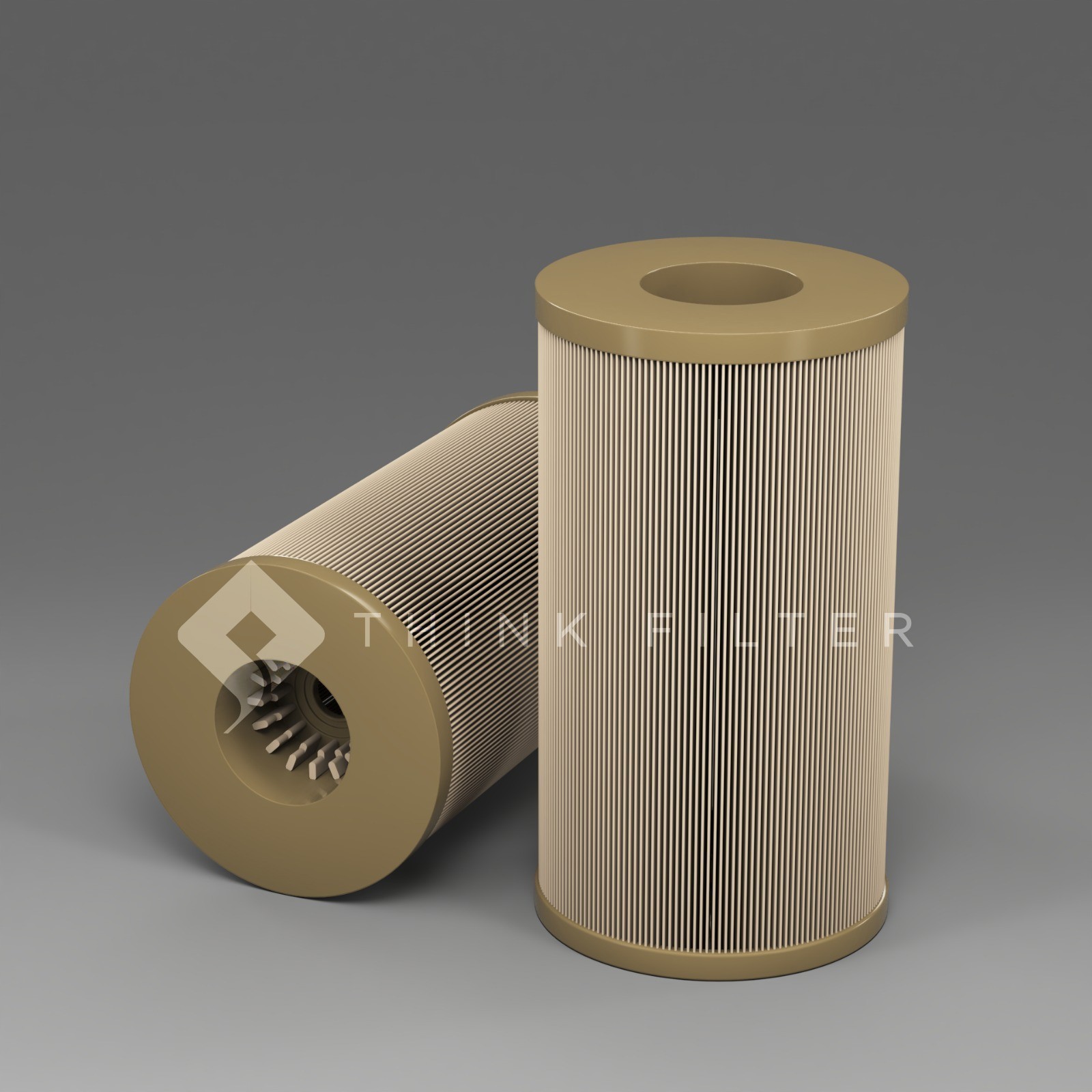
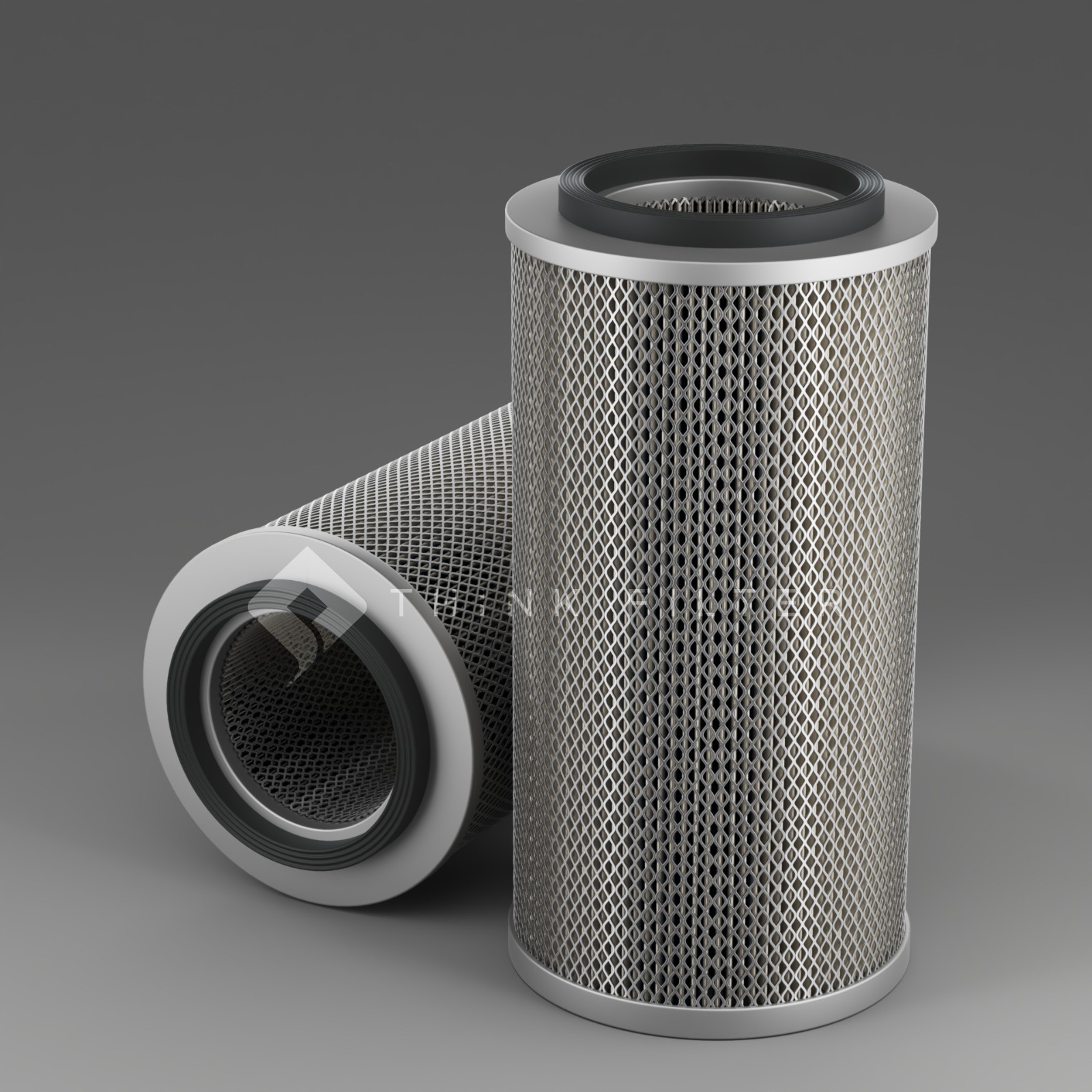
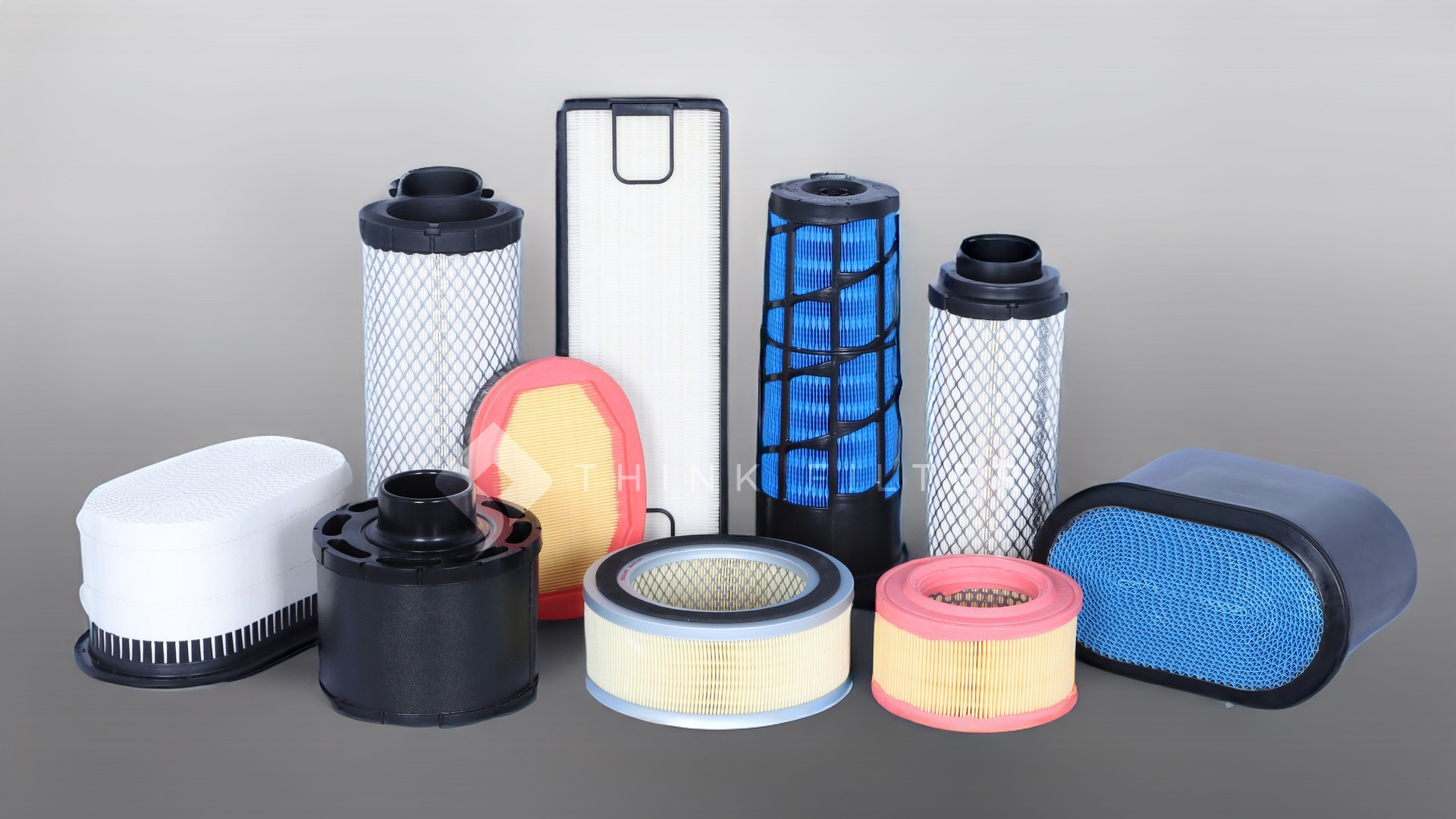
- Pleated cartridges for fine solids at a controlled flow and a known housing.
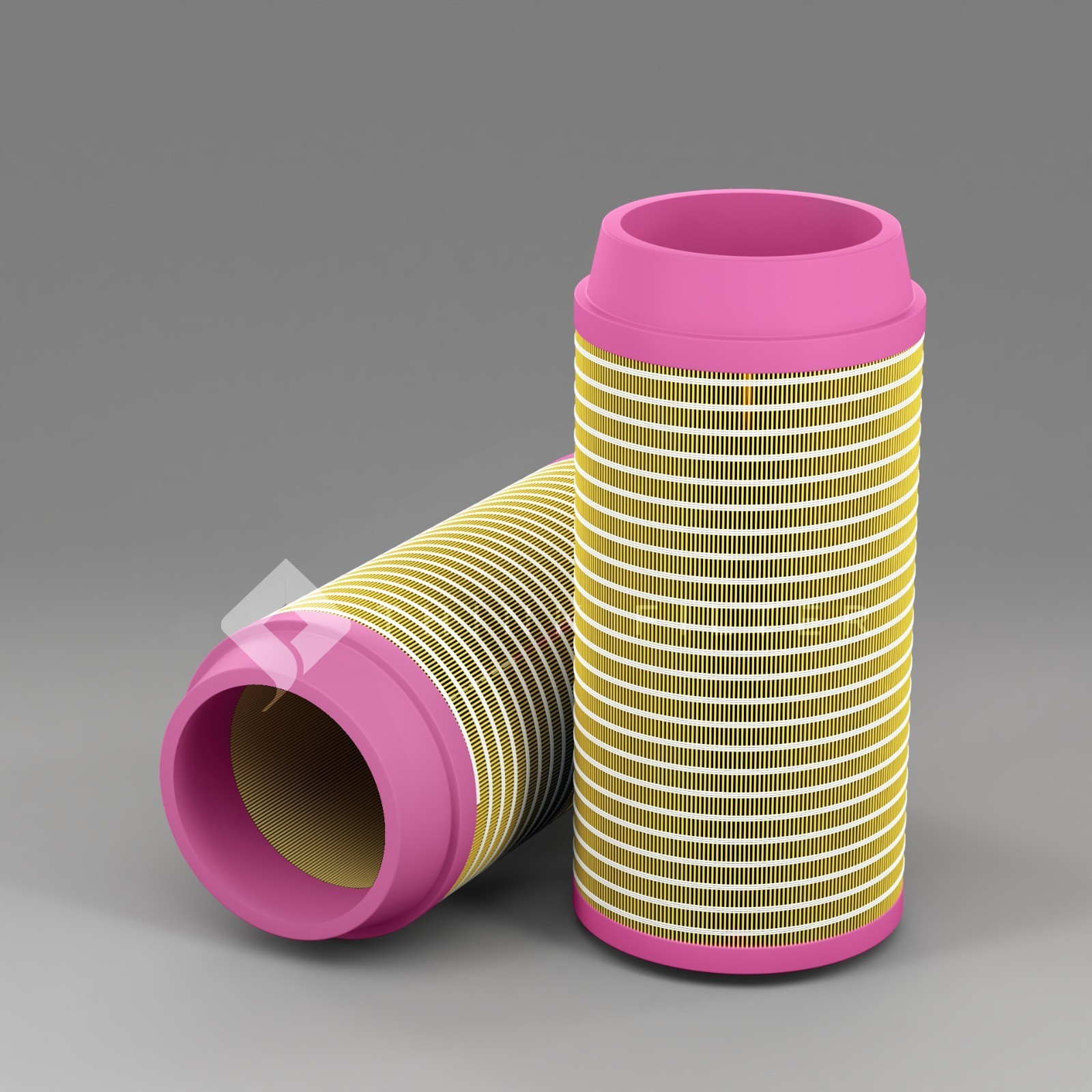
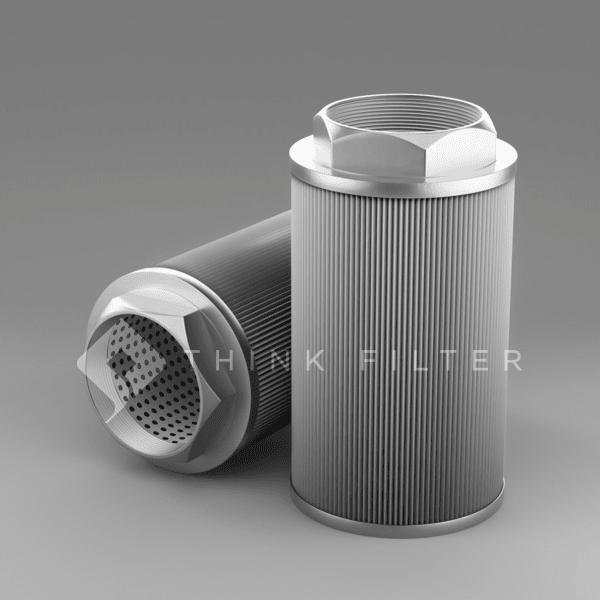
- High-flow pleated cartridges for large produced-water or seawater flows where housing space is limited.
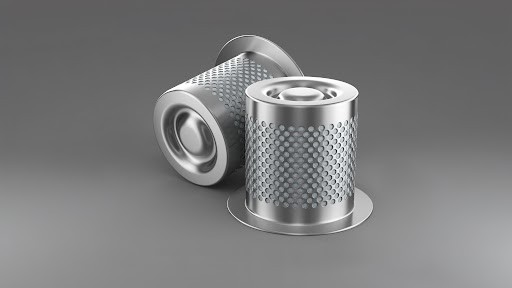
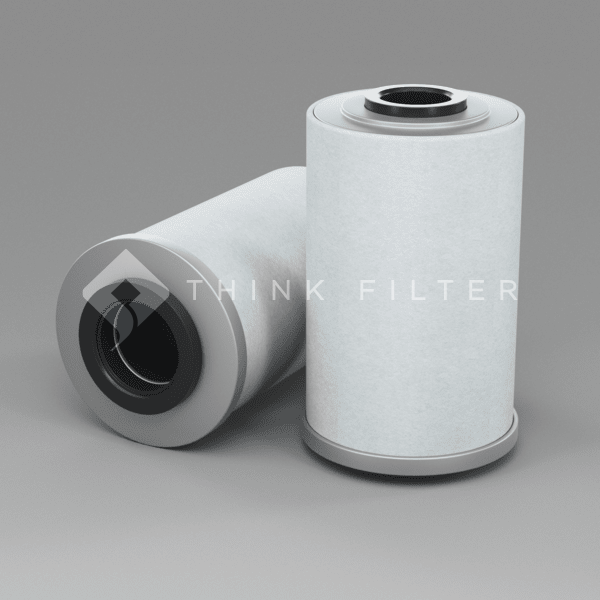
- Liquid/liquid coalescers for water in hydrocarbon, and liquid/gas coalescers for liquid carryover in gas.
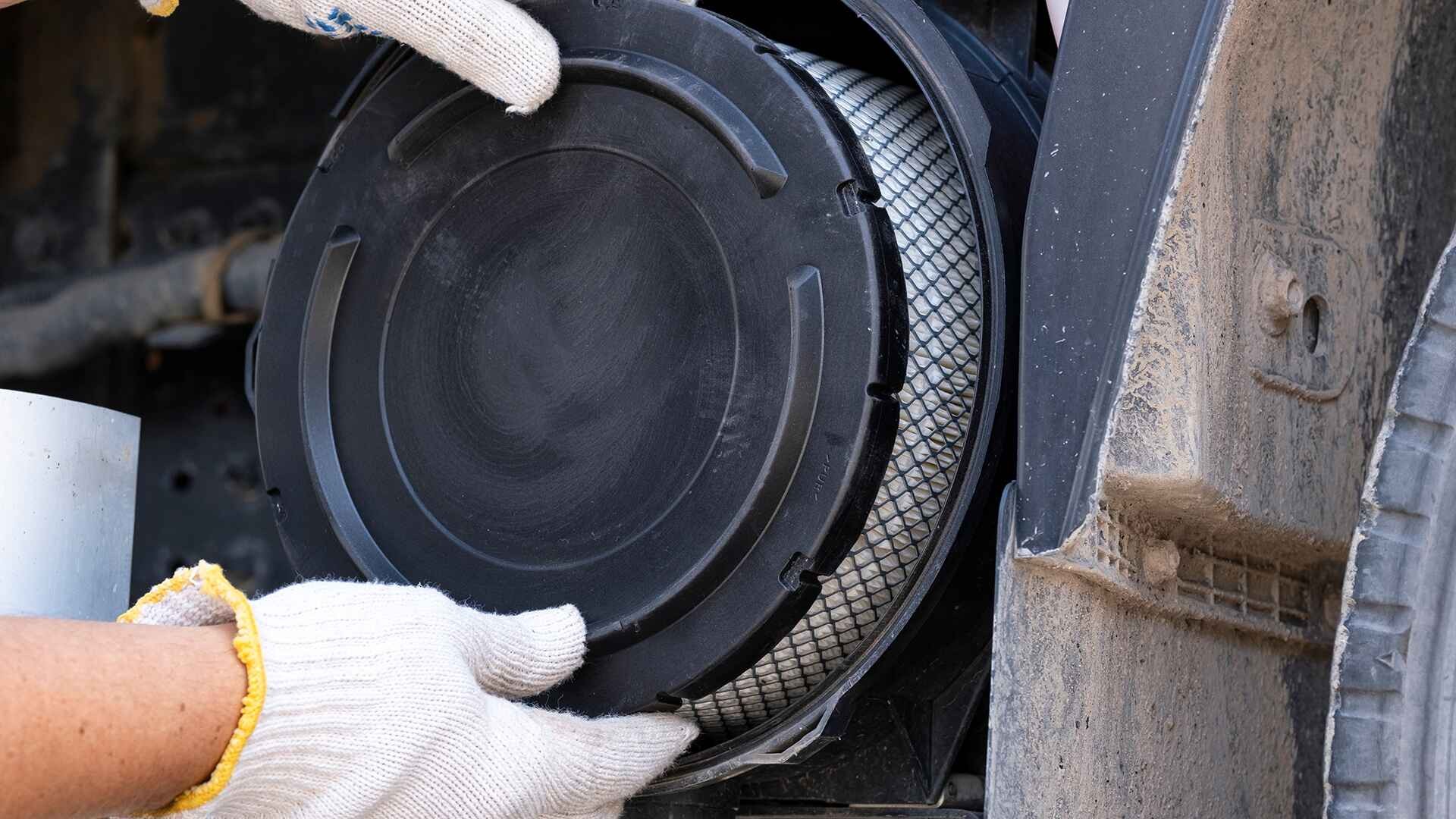
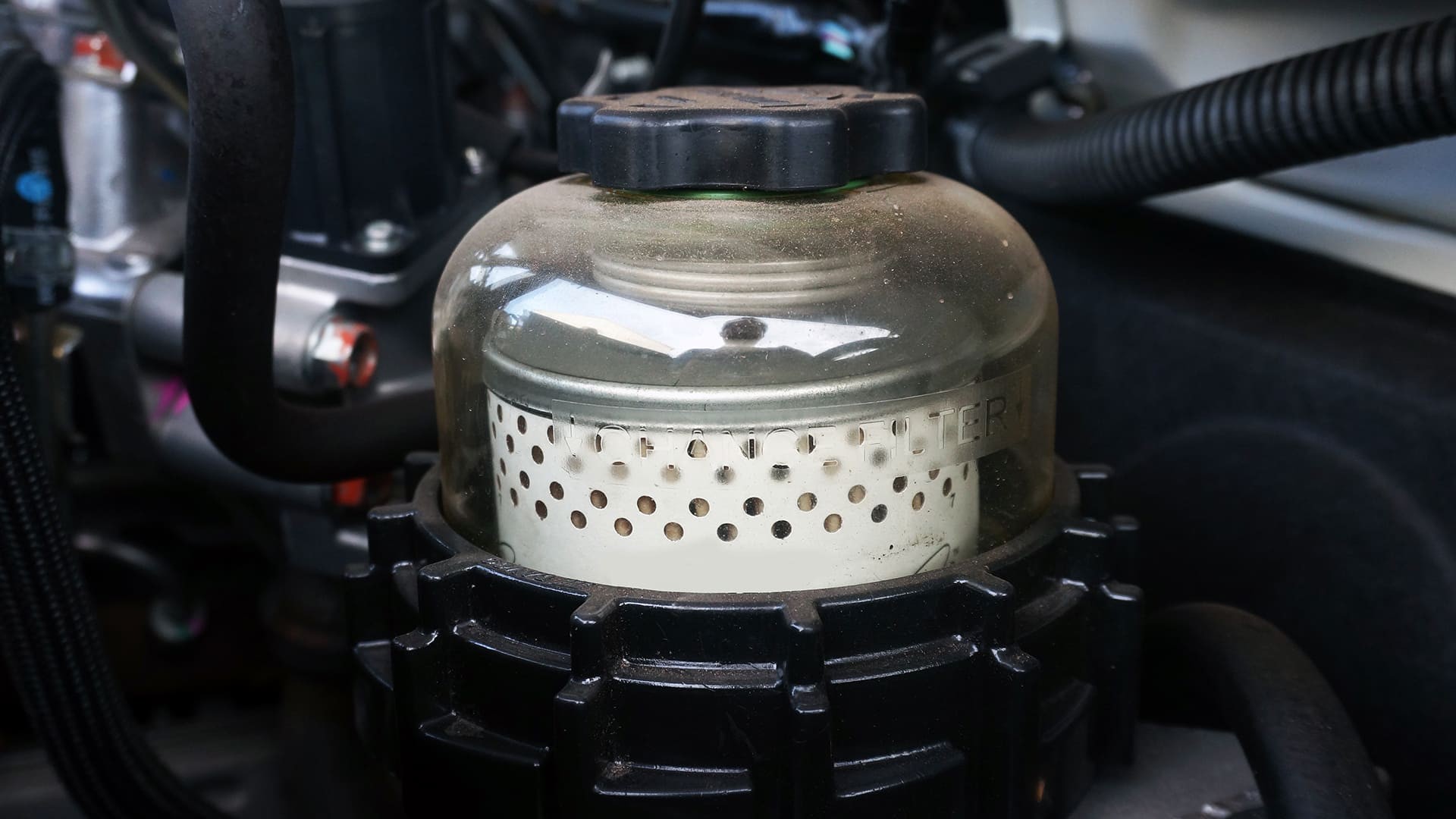
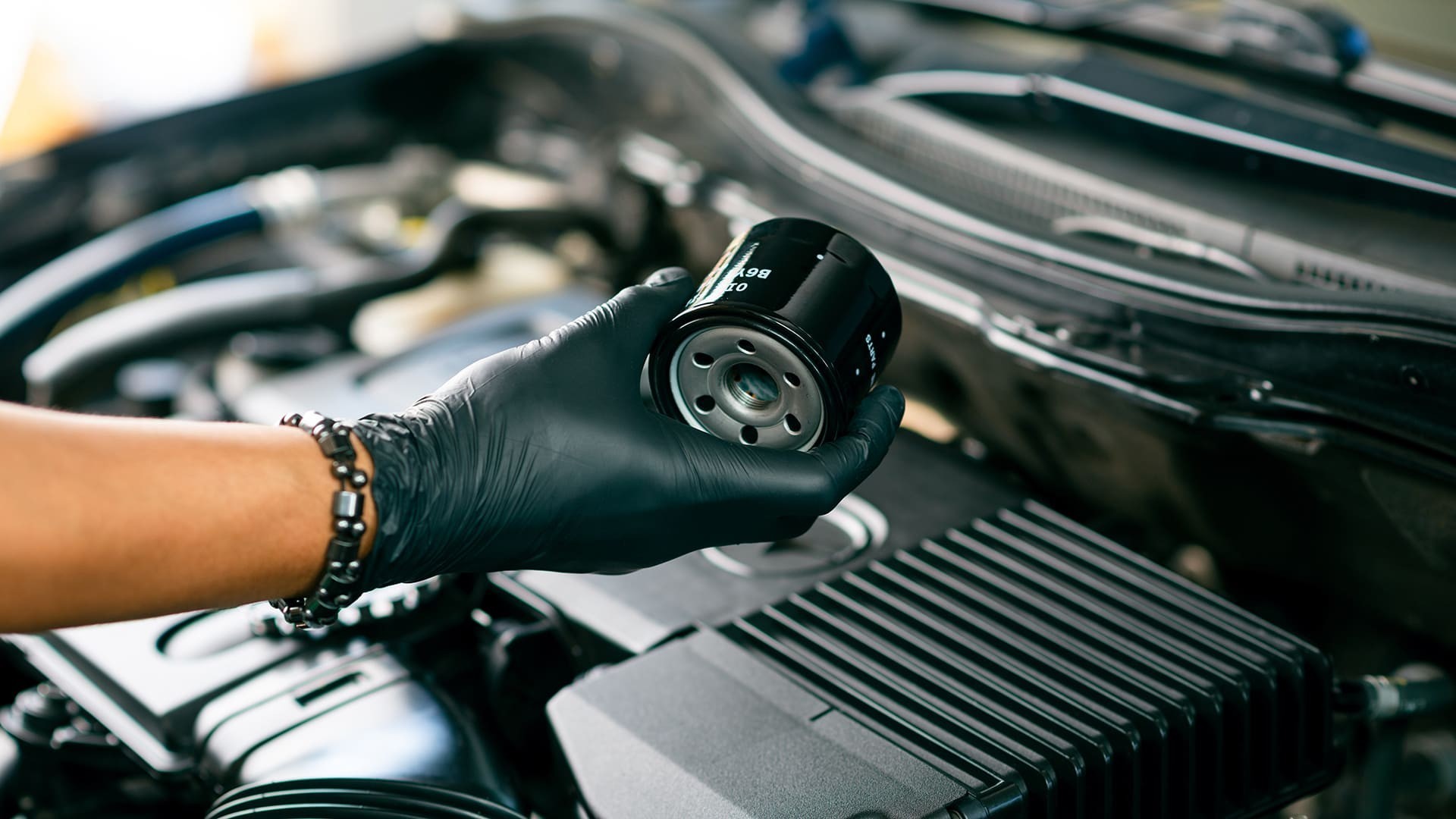
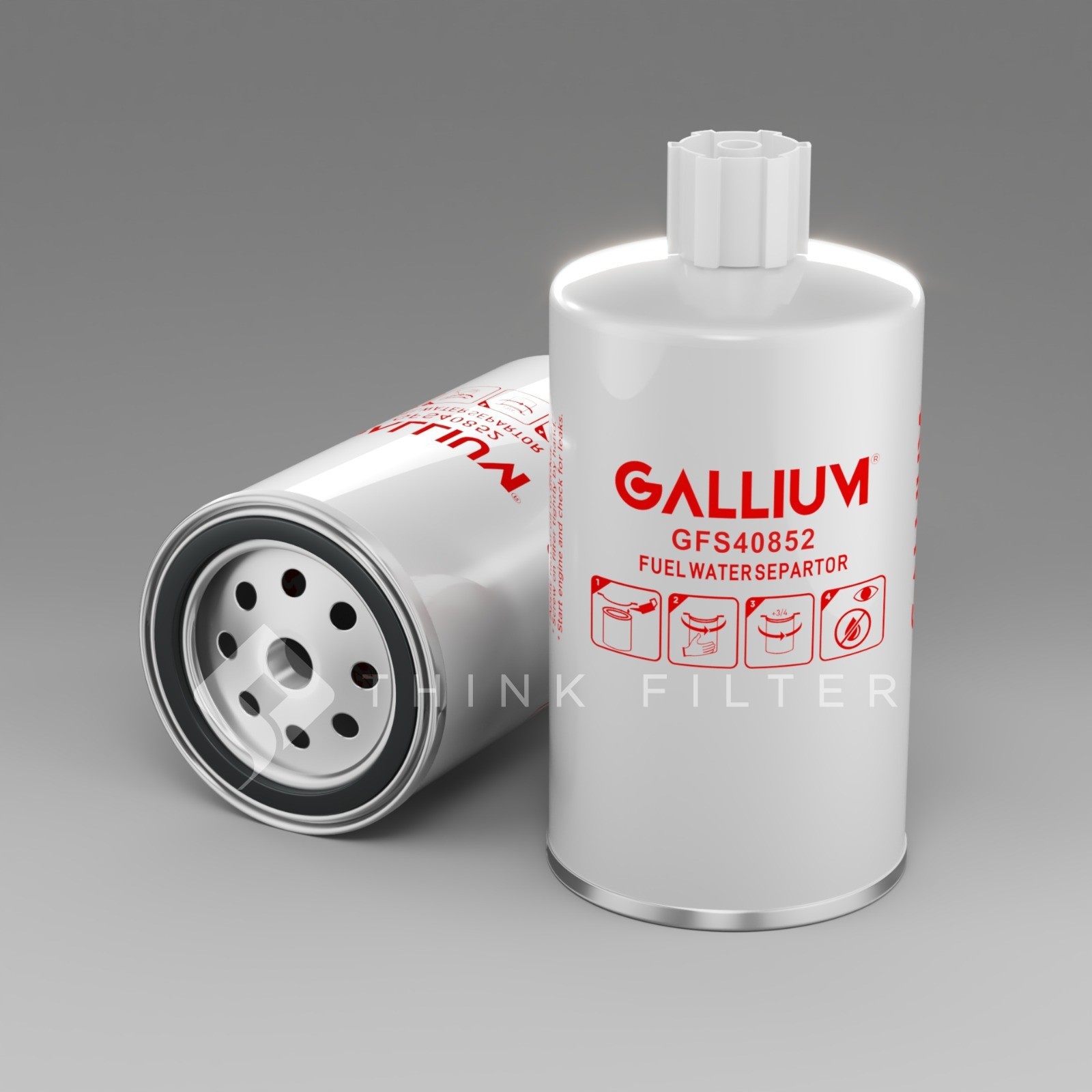
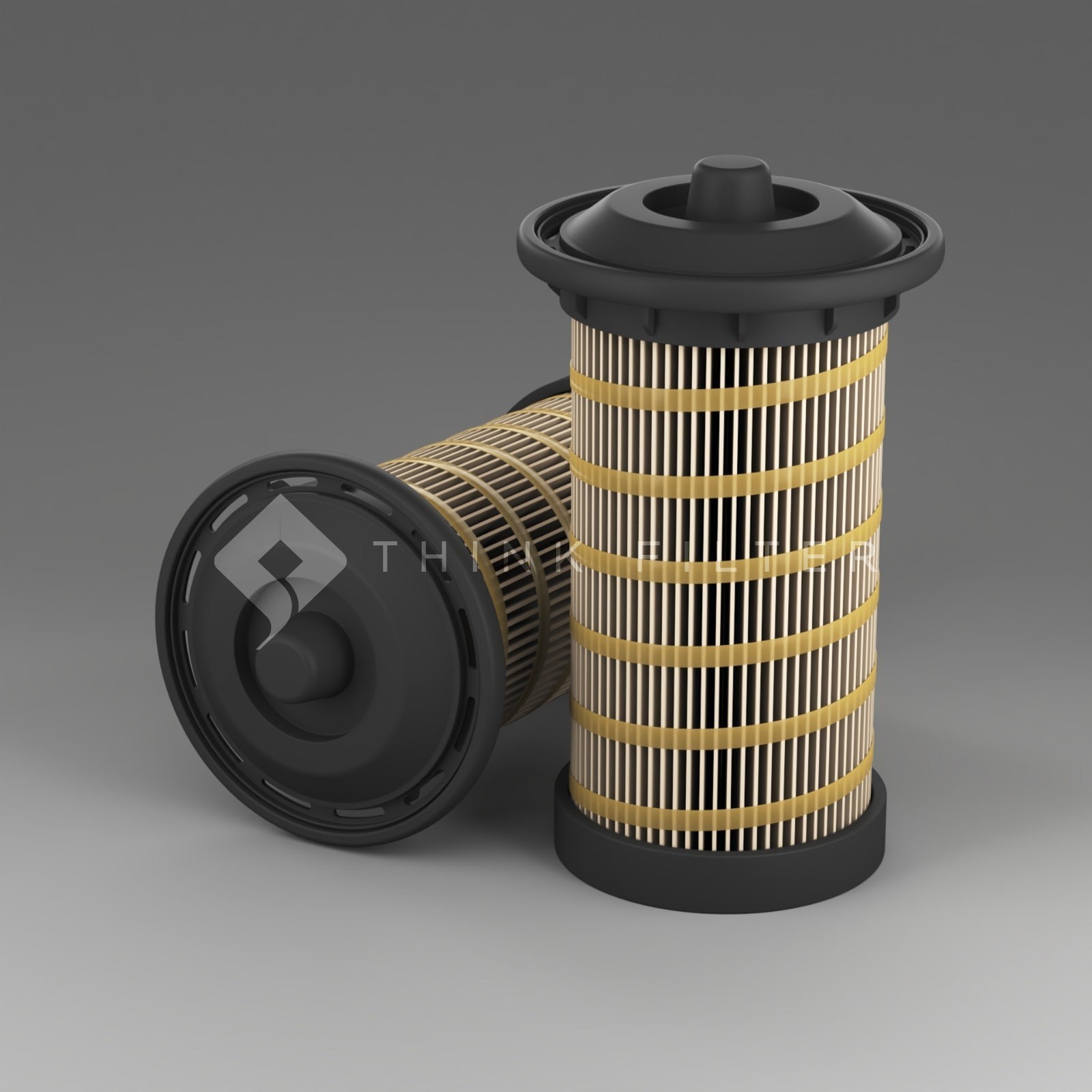
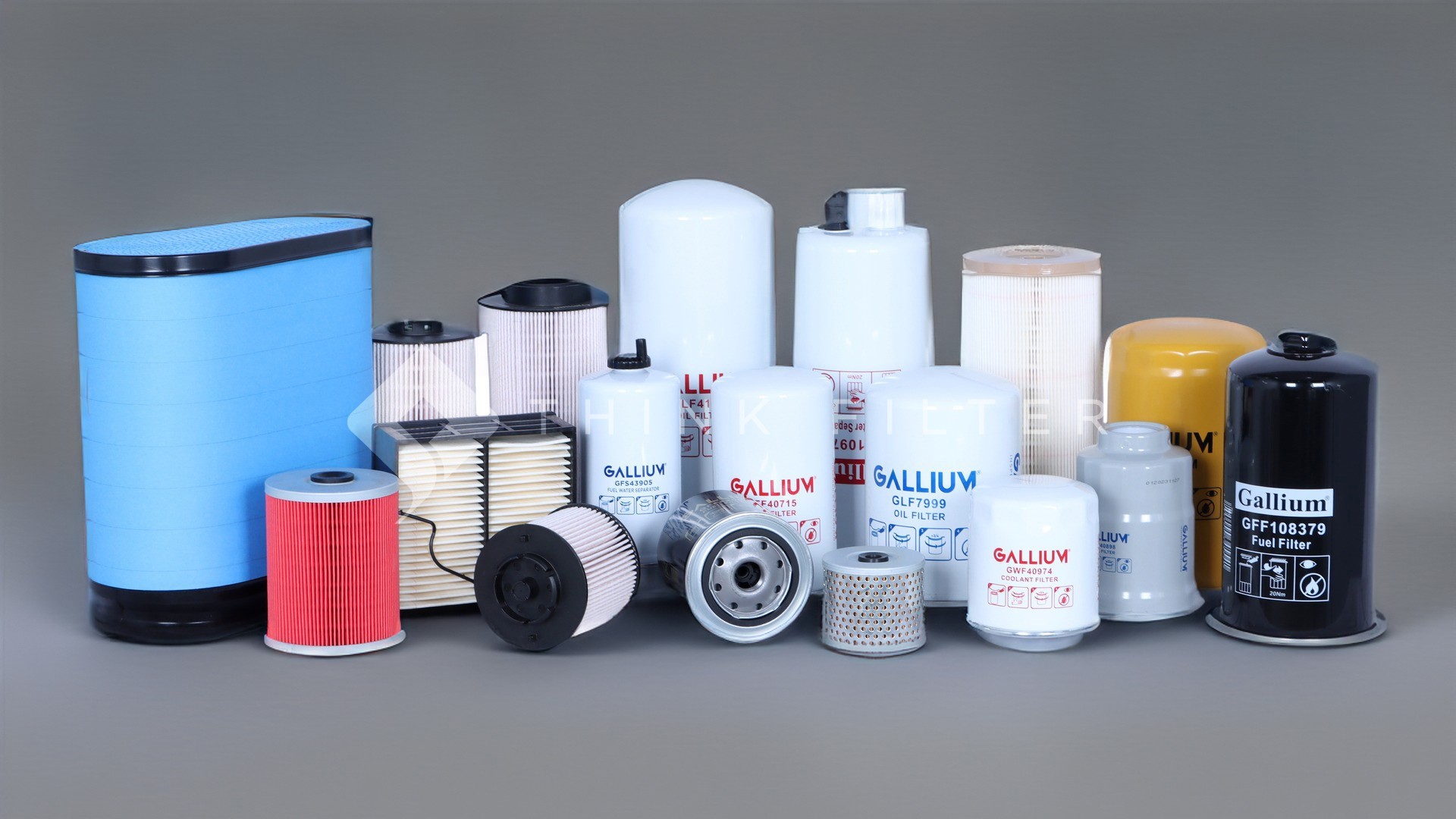
- Fuel-water separators for diesel and condensate at engines, terminals and transfer points.
- Carbon or clay media for taste, colour, odour and specific dissolved contaminants.
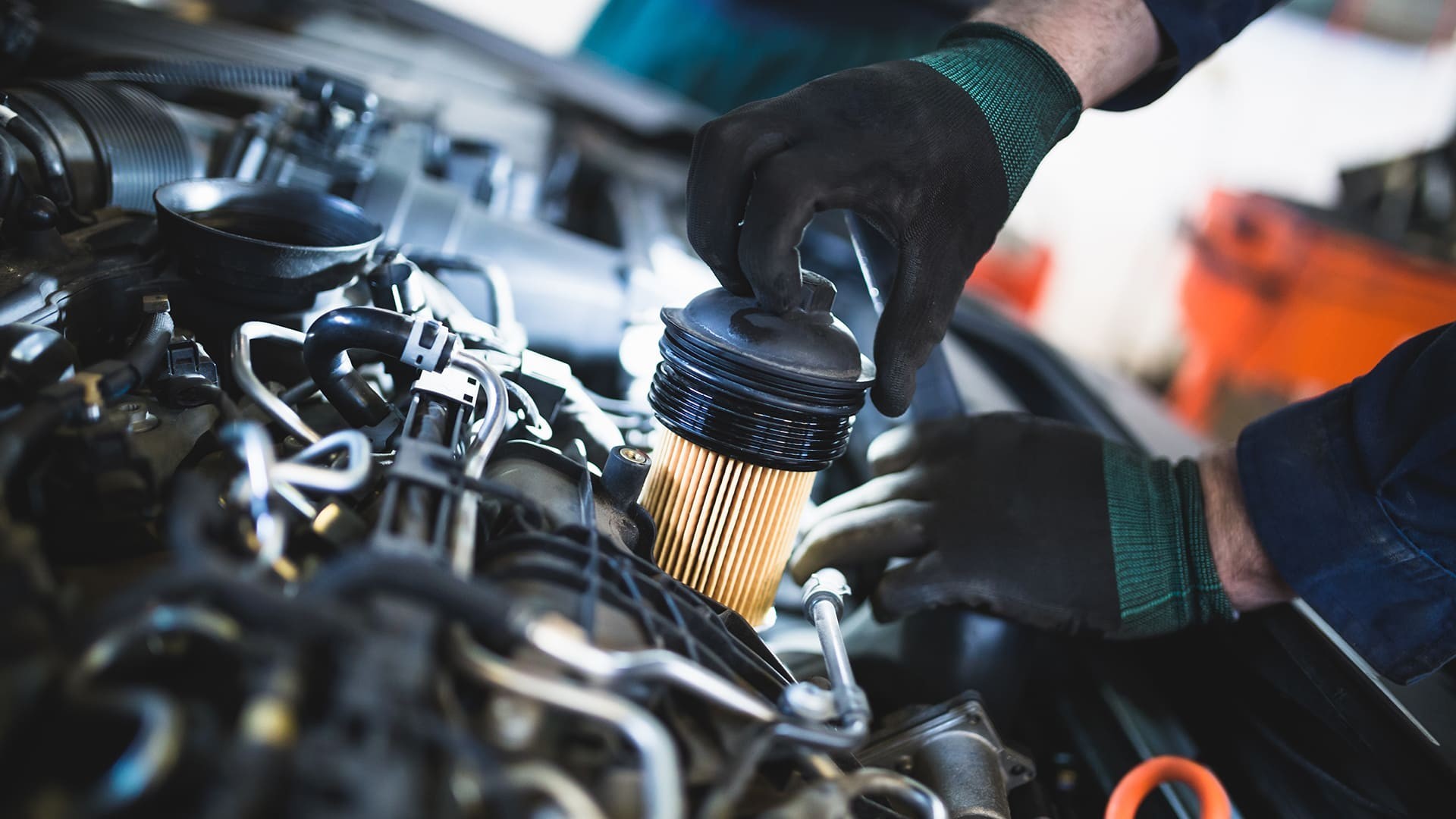
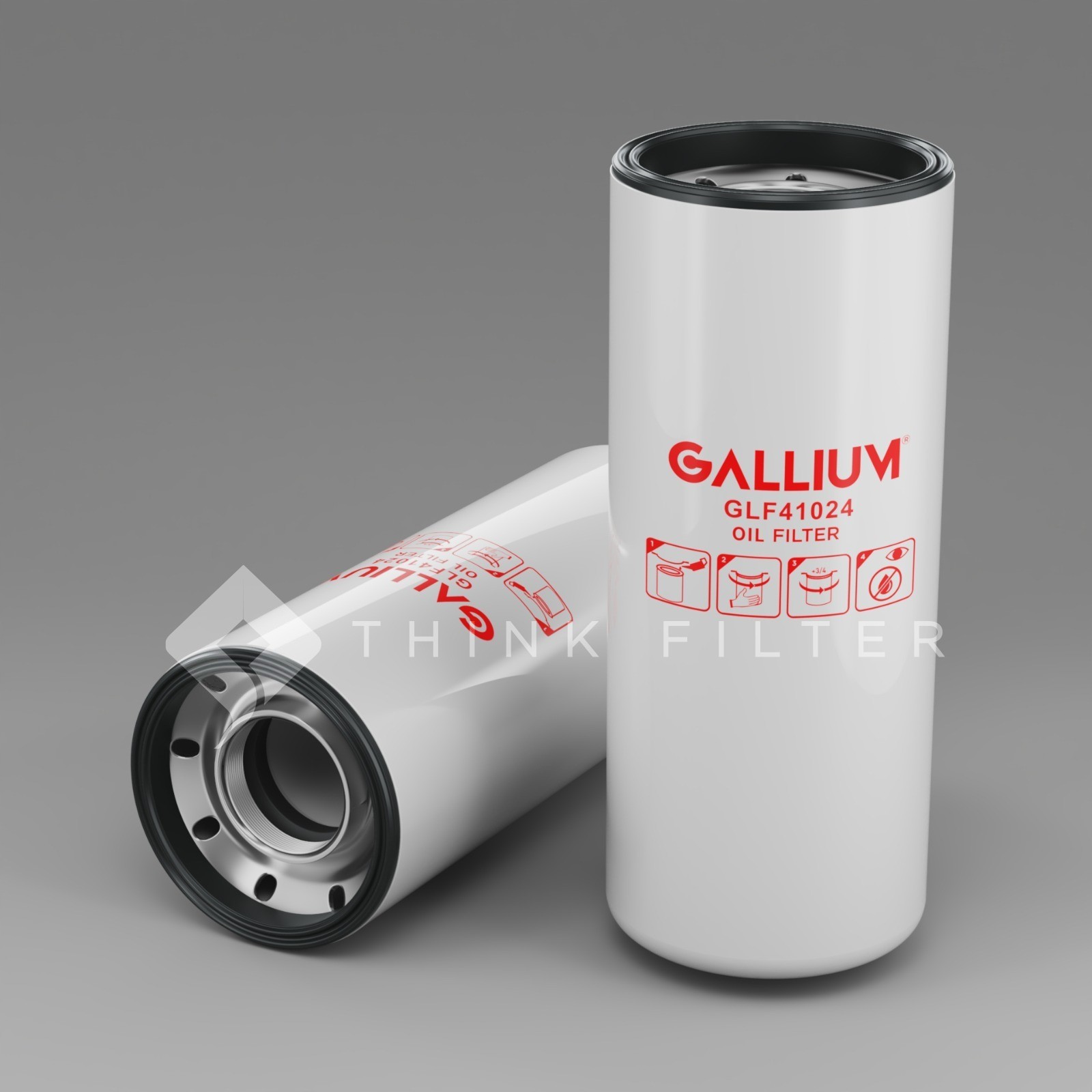
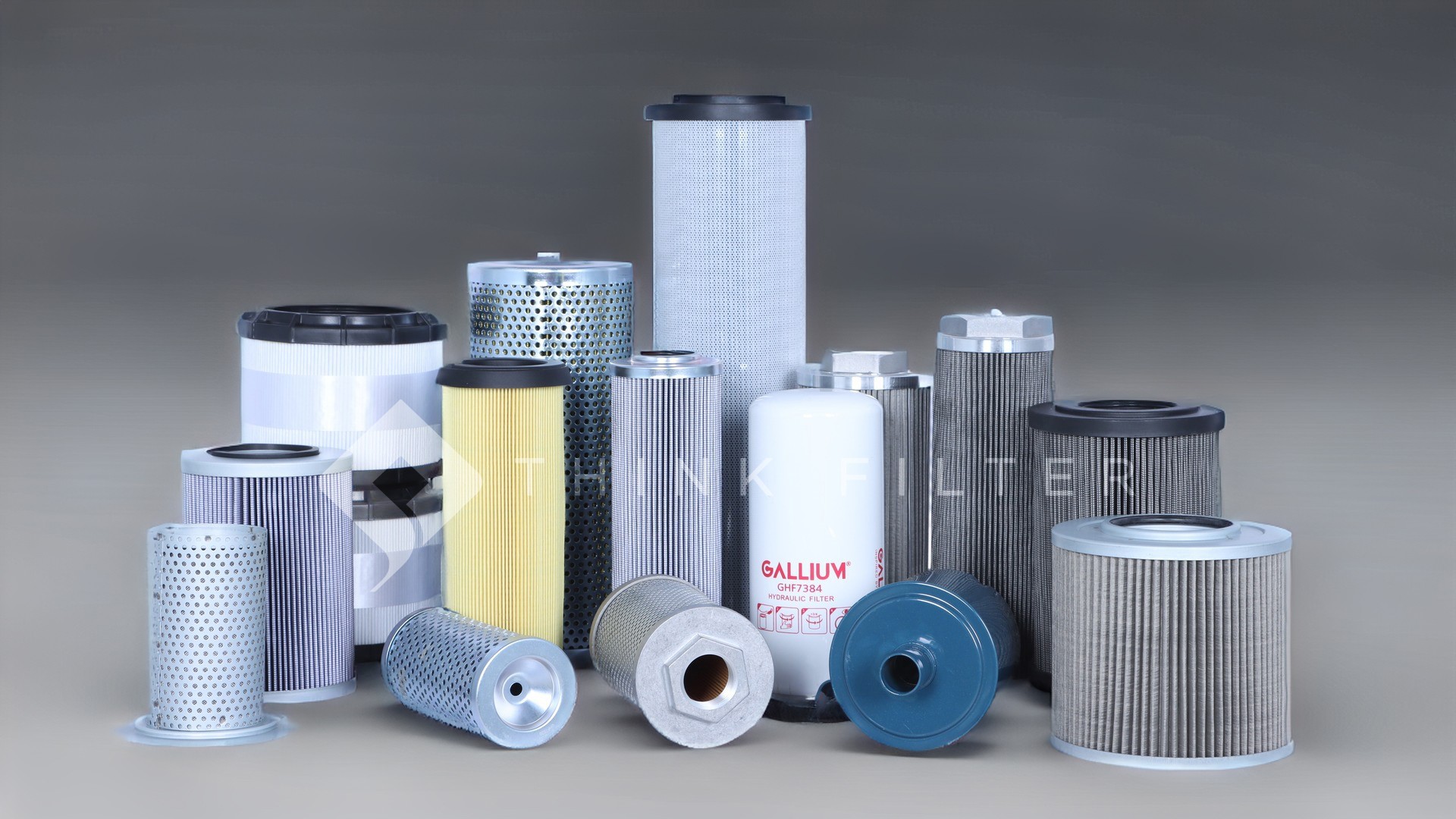
- Hydraulic and lube elements for the power units, valves and compressors that keep the plant running.
A high-flow cartridge is not automatically better than a standard cartridge. It is better when the flow is high and the housing is small. A depth cartridge is not automatically better than a pleated one. It is better when the dirt is deformable or the load is high. Match the format to the stream.
The specs that decide whether a filter survives the stream
The process stream is harsher than a bench test. The sheet still matters, but the tests that matter depend on the filter family. Hydraulic and lube elements use ISO 16889 for beta ratio, ISO 2941 for collapse pressure and ISO 3968 for pressure drop versus flow. Fuel and diesel elements use water separation and particle-count tests. Air and gas elements use efficiency, restriction and dust capacity.
Two fields are easy to miss. The first is collapse pressure. A produced-water polishing filter can see a pressure surge when the upstream prefilter blocks. If the element collapses, the solids it was holding go downstream in one event. The second is material compatibility. Seals, end caps and media must survive the fluid, the temperature and the cleaning chemicals. ISO 2943 is the reference for fluid compatibility.
Sour service adds a materials question. NACE MR0175 and ISO 15156 set requirements for metallic materials in sour oil and gas service. The filter housing and the internal metal parts must be suitable for the stream, not just the media.
What UAE and GCC conditions change
The Gulf adds heat, dust, seawater and sour service to the same filtration problem. Pall's produced-water case study from the Middle East gives the scale: produced water volumes up to 50,000 barrels per day, temperatures around 75 degrees Celsius, pressures around 50 psig, and oil-in-water discharge limits typically between 10 and 40 mg/L (Pall produced water). The same case study reports a system that reduced oil-in-water from an average of 286 ppm to an average of 3.2 ppm, with 98.8% removal efficiency.
Heat changes viscosity, seal life and media strength. Sand changes the dirt load and the prefilter choice. Seawater injection changes the corrosion and scaling risk. Sour fields change the metallurgy. A filter specification that was written for a North Sea platform does not automatically transfer to a UAE onshore field.
Logistics matter too. A filter that is not stocked locally can stop a maintenance window. We hold fast-moving Pall, Parker, Donaldson, Fleetguard and Racor lines in Aweer, and we cross-reference from the OEM number when the exact part is not on the shelf. The full filter catalog shows the formats behind that stock.
How to specify a filter for an oil and gas stream
A useful specification answers ten questions:
- What is the fluid, and what is the contaminant?
- What is the normal flow, the peak flow and the minimum flow?
- What is the operating pressure and the design pressure?
- What is the operating temperature and the startup temperature?
- What micron rating and beta ratio does the equipment need?
- What is the allowable clean pressure drop?
- What collapse pressure does the housing require?
- What seal and housing materials are compatible with the fluid?
- What standard or certification does the operator require?
- What is the changeout interval, and how is it measured?
If the answers are not on the datasheet, the datasheet is not finished. The filter may still work, but you will not know until it is in service.
Cross-reference and stock check before the PO
The OEM number is the starting point, not the answer. Check the supersession, the dimensions, the thread, the seal and the performance rating. A number that matches on a website can still be the wrong variant for a UAE shipment or a sour stream.
For brand-level stock, start with the Donaldson range and the Fleetguard range. For fuel and water separation at power or marine sites, the power generation filtration guide and the marine filtration page show the formats we hold. If you are buying from Dubai, the Aweer stock and delivery page explains the same-day and next-day options.
Frequently asked questions
What is oil and gas filtration?
Oil and gas filtration is the removal of solids, water, aerosols and other contaminants from produced fluids and process streams. It protects equipment, maintains process efficiency and supports reliable operation across upstream, midstream and downstream stages.
What is the difference between upstream and downstream filtration?
Upstream filtration protects drilling, production and injection equipment from sand, scale, oil droplets and solids in produced water. Downstream filtration protects refinery and petrochemical units from fine solids, water and catalyst poisons in feed and process streams.
Why is produced water filtration difficult?
Produced water carries a high dirt load, often up to 400-500 ppm, plus oil droplets and dissolved contaminants. It usually needs a series: a coarse prefilter to take the bulk load and a polishing filter to reach the injection or discharge limit.
Which filter is used for produced water?
Produced water usually uses a coarse deep-bed or dual-media prefilter followed by cartridge polishing, often down to 0.5 micron absolute. Coalescers may be used ahead of the separator to grow oil droplets and improve oil removal.
Can I use a fuel-water separator for oil and gas process streams?
Only if the stream, the flow and the materials match. A fuel-water separator is designed for fuel at engine or terminal flow. A process coalescer is designed for the process fluid, pressure, temperature and contaminant load. The two look similar and are not interchangeable.
Author
Meera Ajesh is Chief Operating Officer at ThinkFilter. She works on filtration specification, cross-reference and stock planning for industrial and fleet buyers across the UAE.






 Facebook
 Instagram
 LinkedIn