Choosing the right oil filter supplier in the UAE is not just a procurement decision—it directly affects engine life, performance, and long-term maintenance costs. Whether you manage a fleet of trucks, operate heavy machinery, or run an automotive business, the quality of oil filters you use plays a critical role in efficiency and reliability.
With harsh climatic conditions, dust-heavy environments, and high operating temperatures in the UAE, selecting the right oil filter and supplier becomes even more important. This guide breaks down everything UAE buyers need to know before making a decision.
Role of Oil Filters in Vehicle & Machinery Performance
Oil filters are essential components that keep engines running smoothly by removing contaminants from engine oil. Without proper filtration, dirt, metal particles, and sludge can circulate within the engine, causing wear and reducing efficiency.
Engine Protection & Oil Cleanliness
Clean oil ensures optimal lubrication, reducing friction between engine parts. A high-quality oil filter:
- Traps harmful particles effectively
- Prevents engine wear and tear
- Maintains oil viscosity
- Enhances fuel efficiency
In UAE conditions—where sand and dust exposure is high—filters must perform consistently under pressure. Poor filtration can lead to frequent breakdowns and costly repairs, especially in commercial vehicles and industrial equipment.
Types of Oil Filters Used in UAE
The UAE market caters to a wide range of vehicles and industries, each requiring specific types of oil filters.
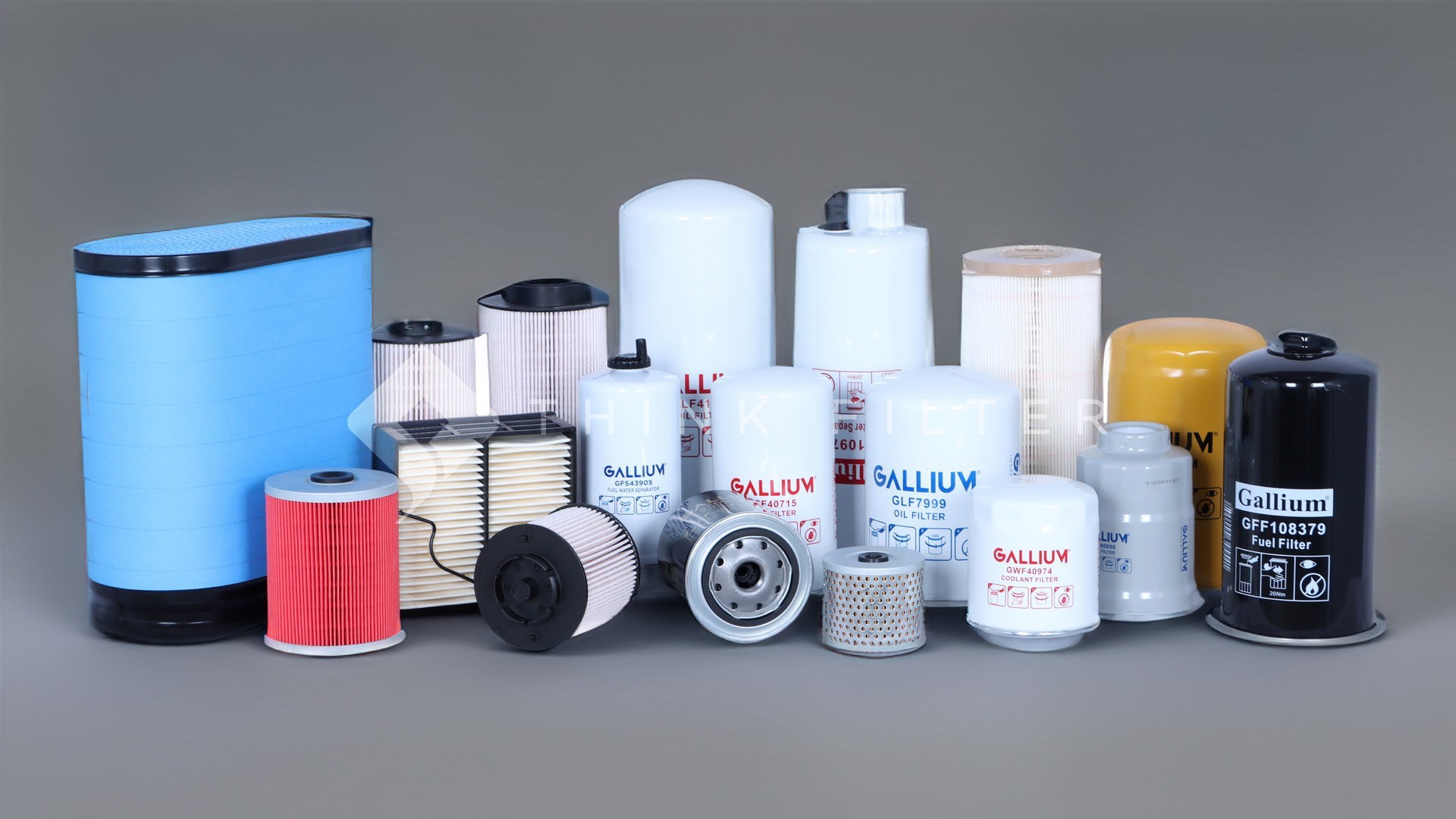
Automotive Oil Filters
Automotive oil filters are designed for passenger cars and light vehicles. Common types include:
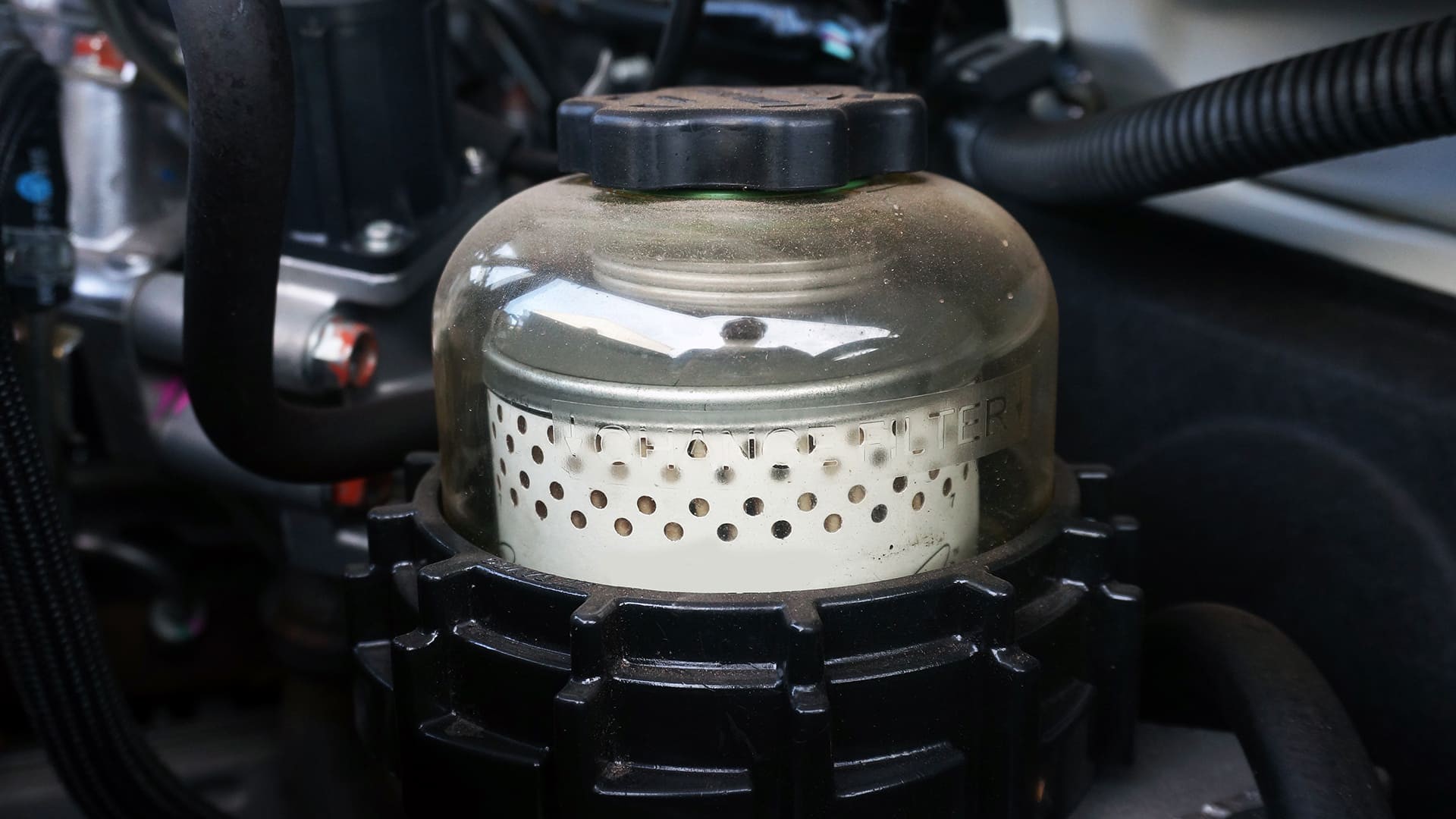
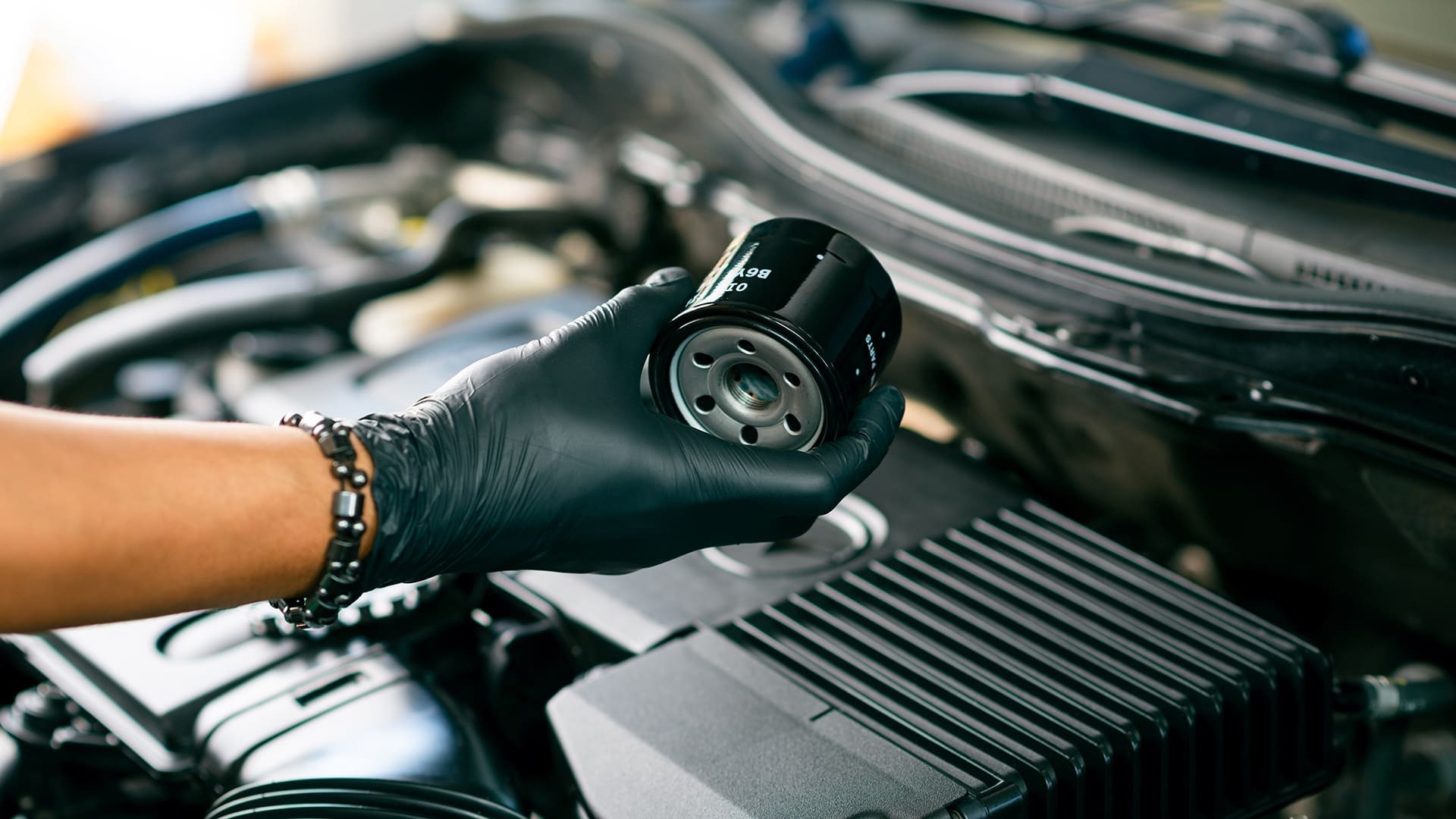
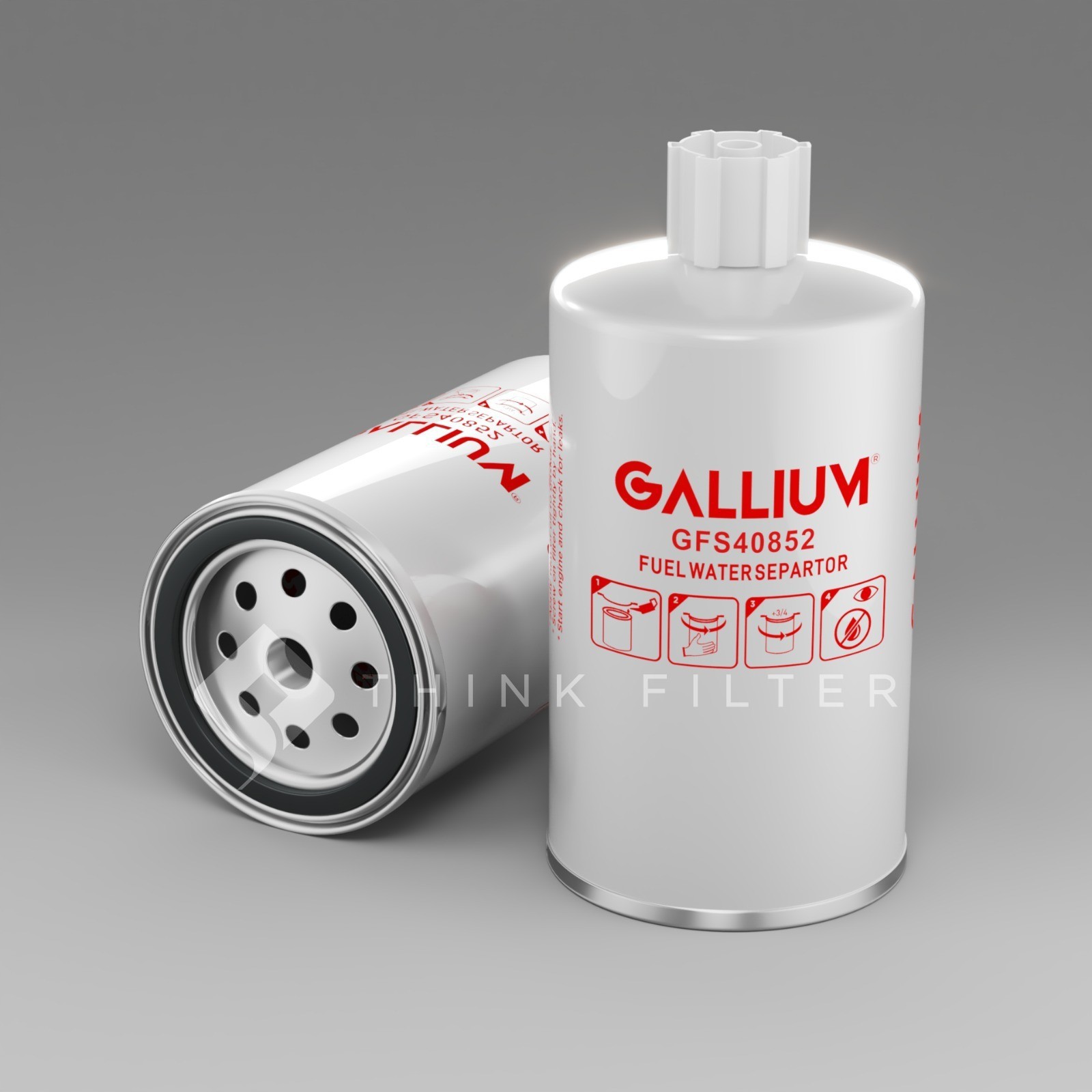
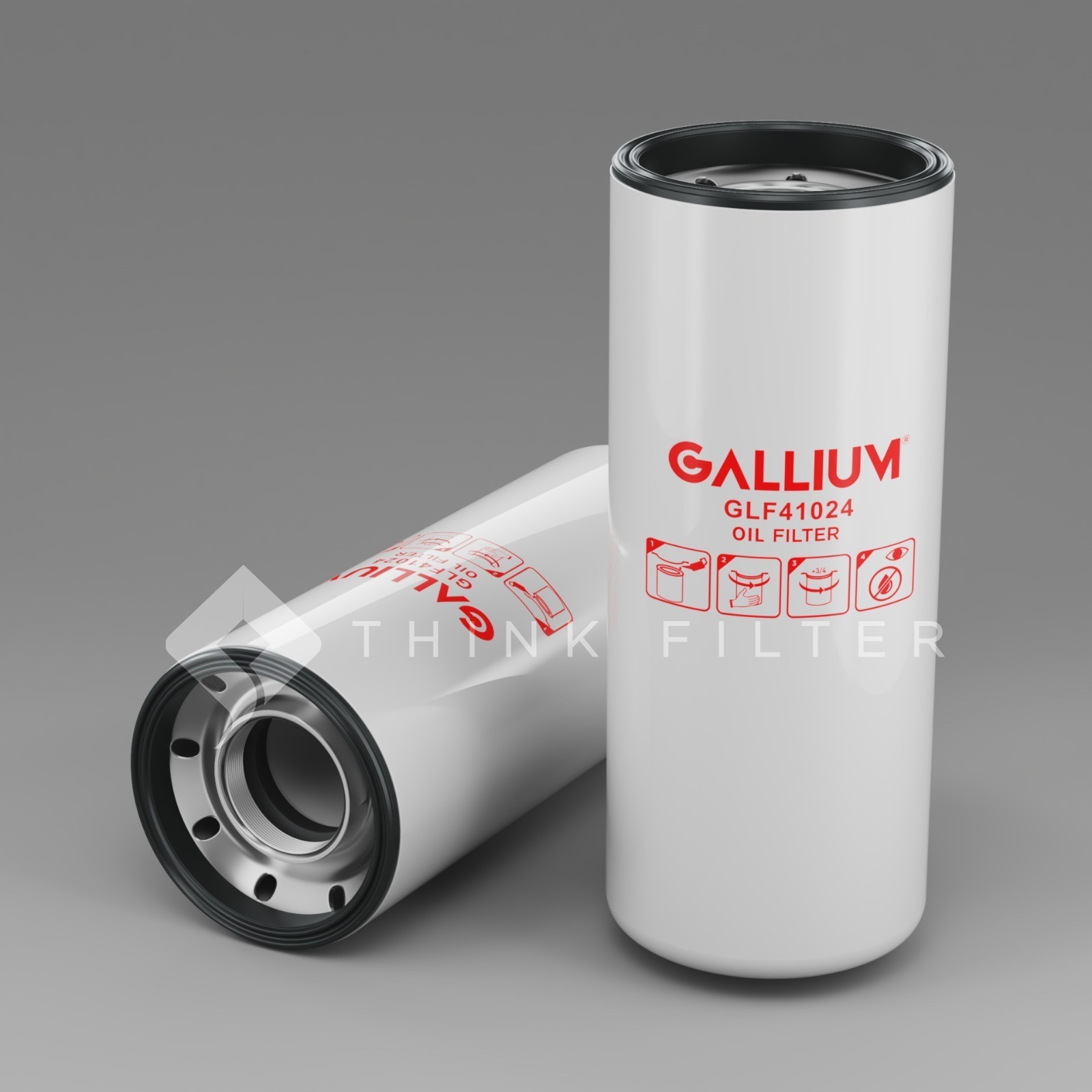
- Spin-on filters – Easy to replace and widely used
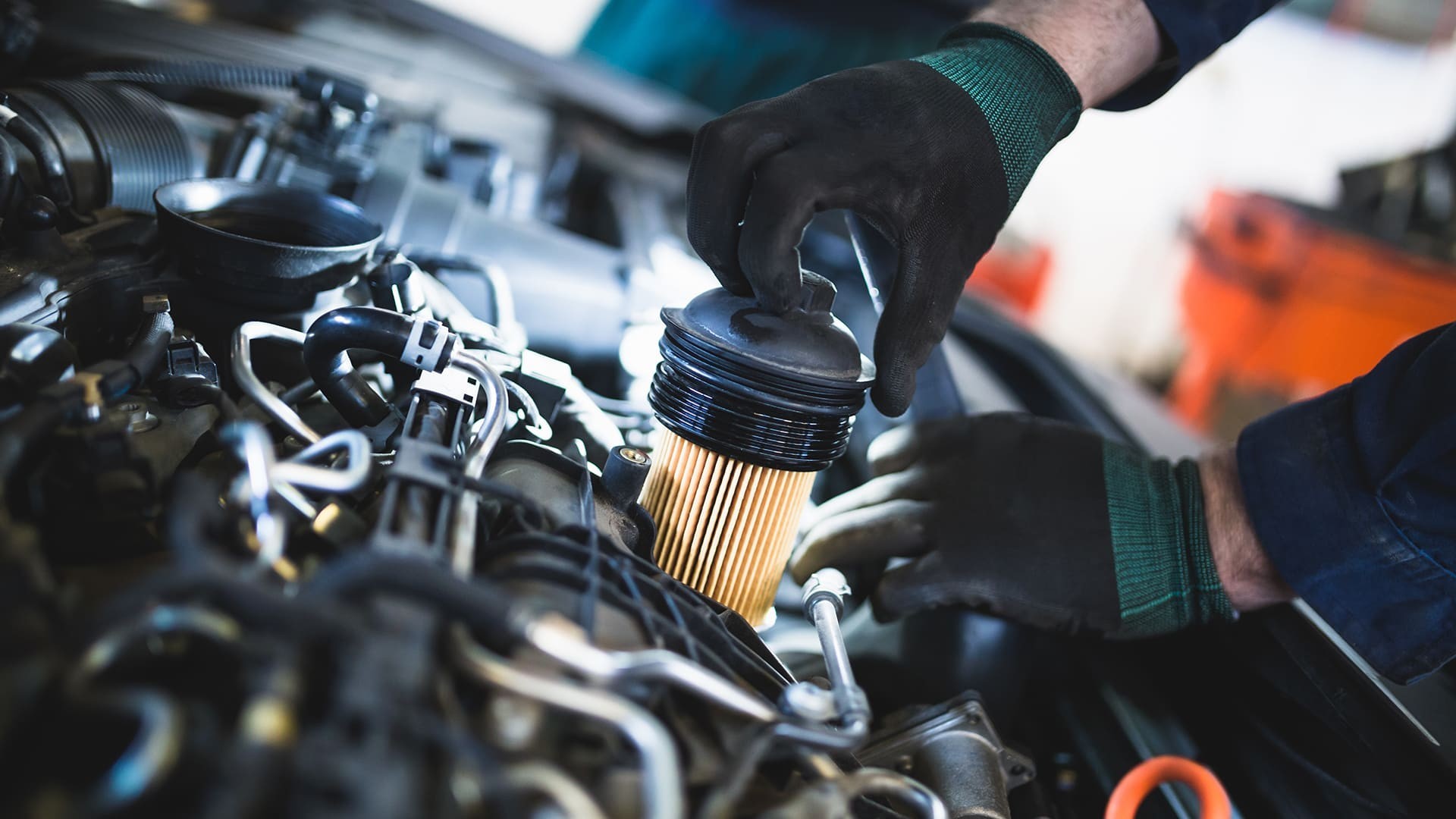
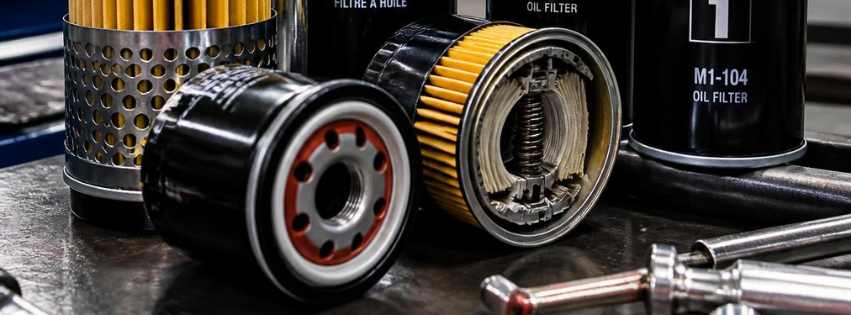
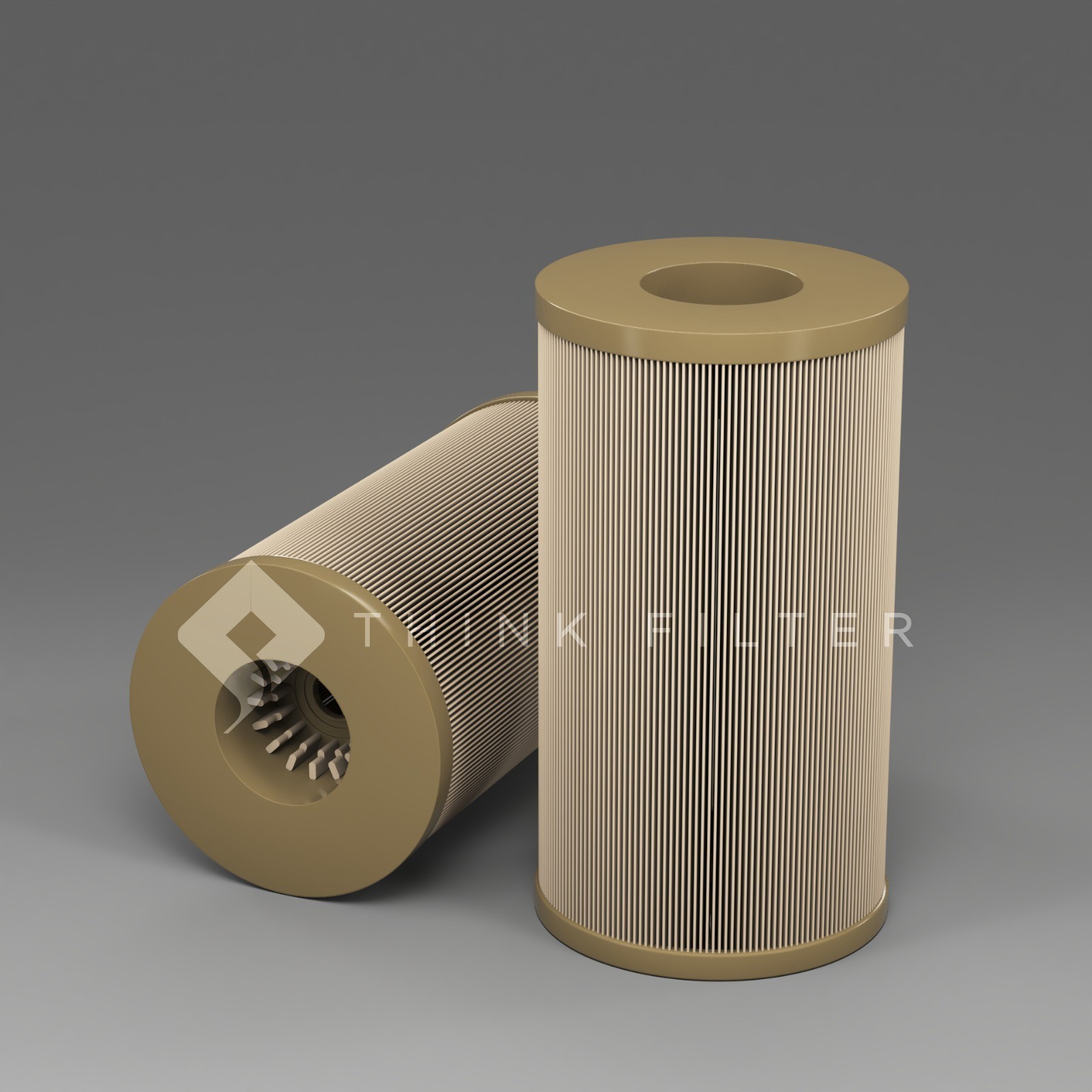
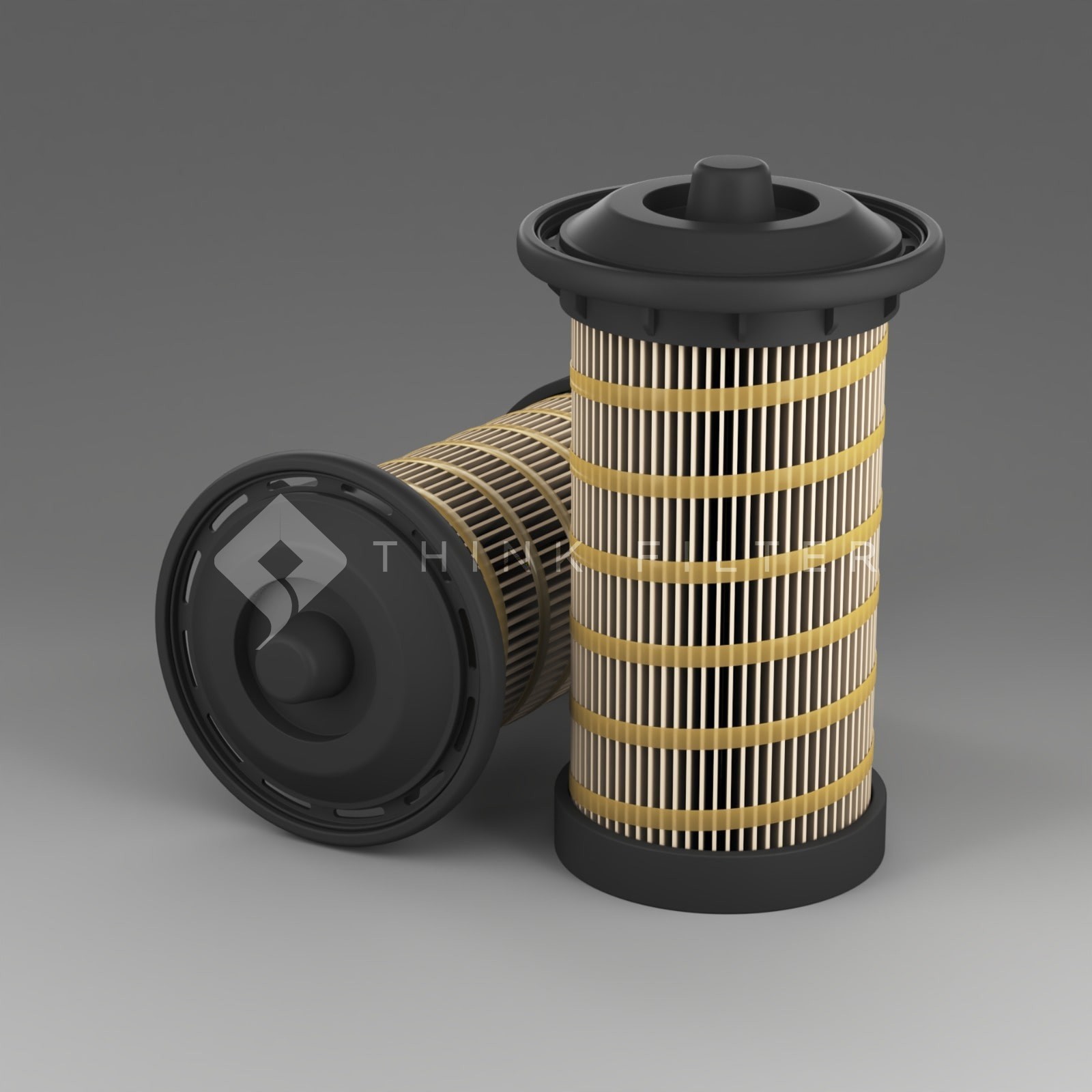
- Cartridge filters – Eco-friendly and commonly used in modern vehicles
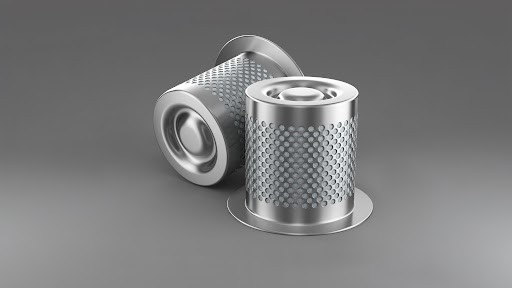
- Magnetic filters – Capture metallic particles for added protection
These filters are suitable for daily commuting vehicles and are available in various specifications depending on engine type.
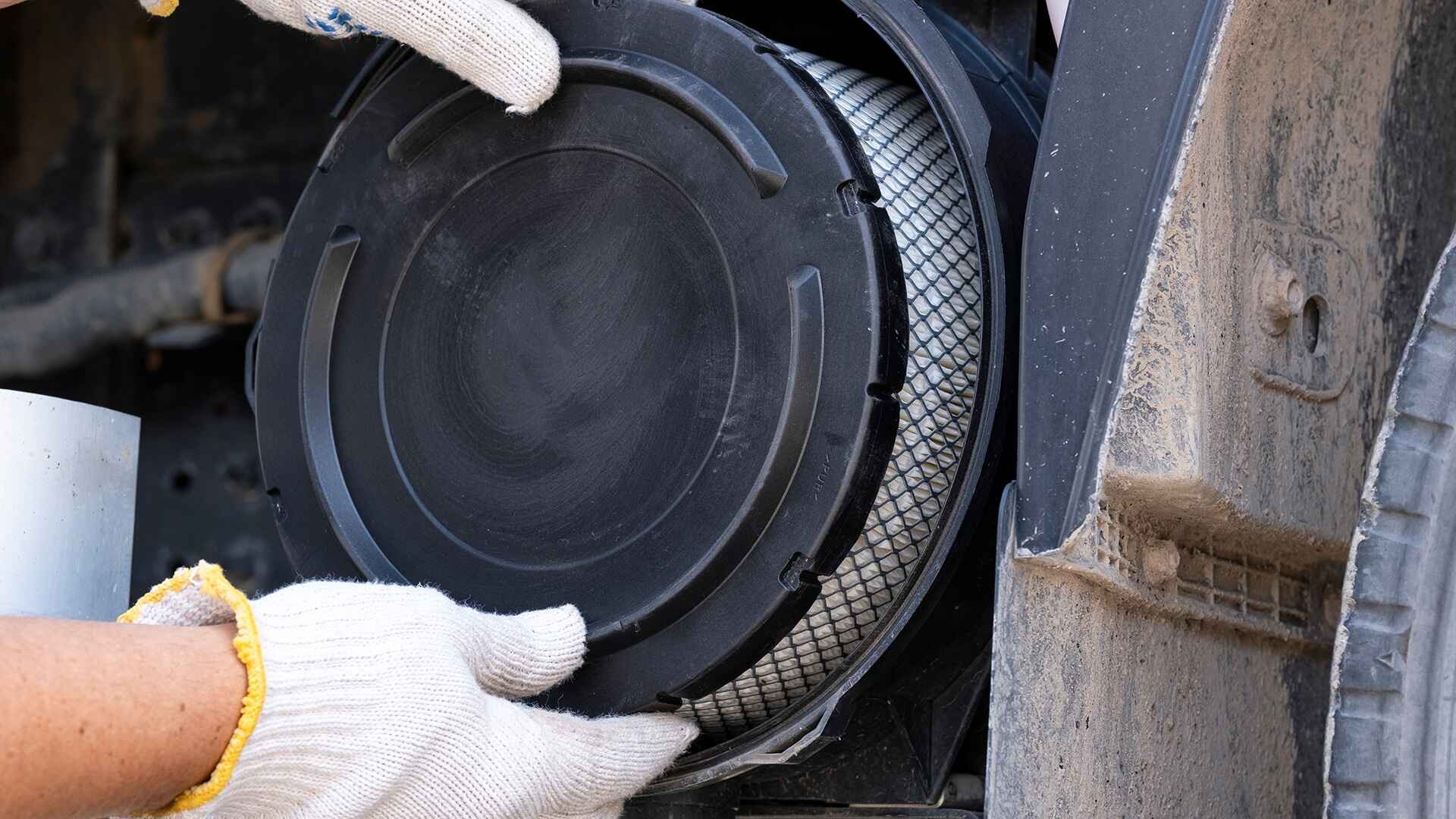
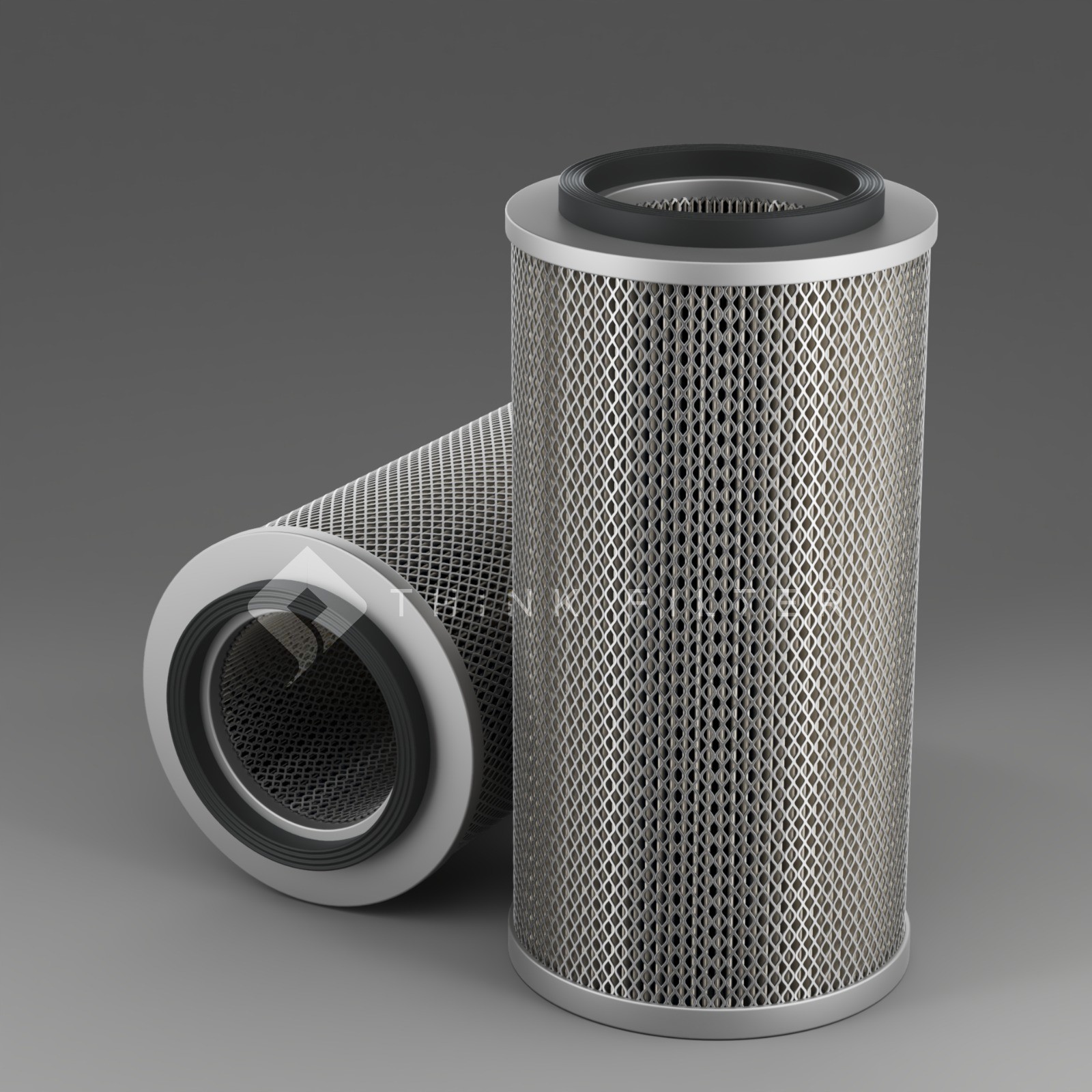
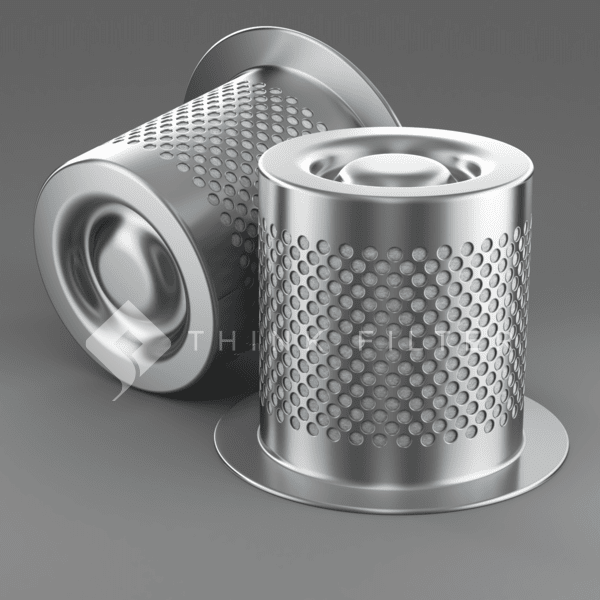
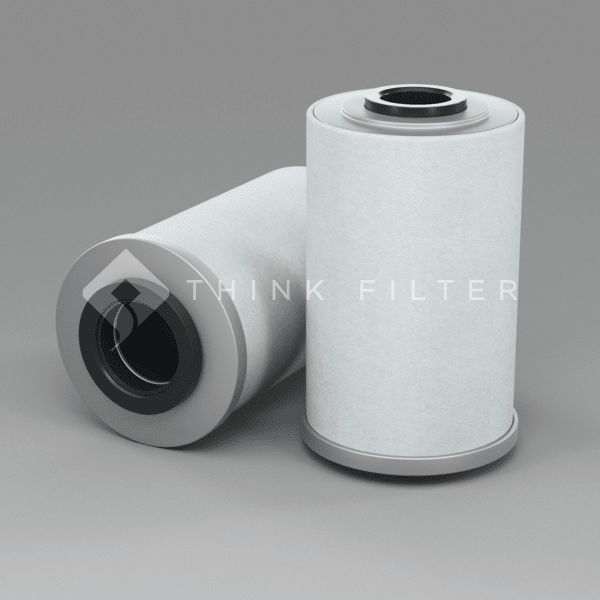
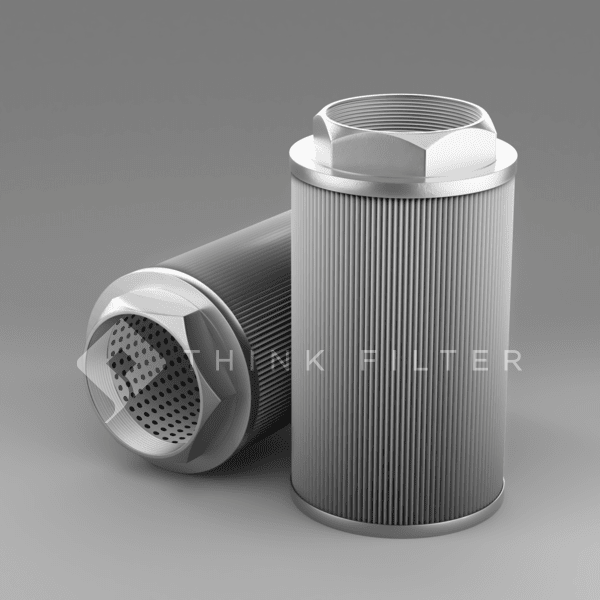
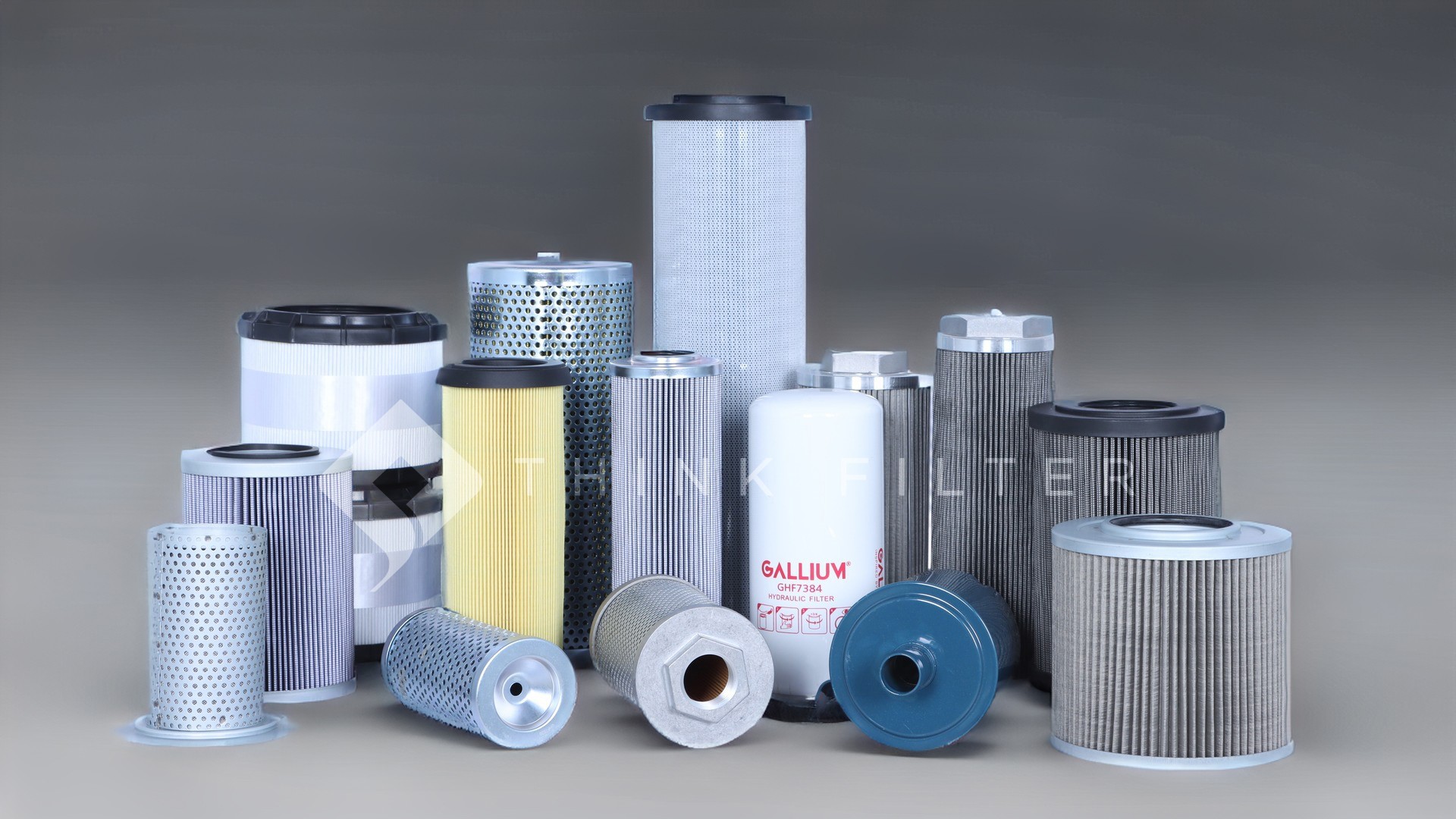
Heavy-Duty & Industrial Oil Filters
Heavy-duty vehicles and machinery require more robust filtration systems. These include:
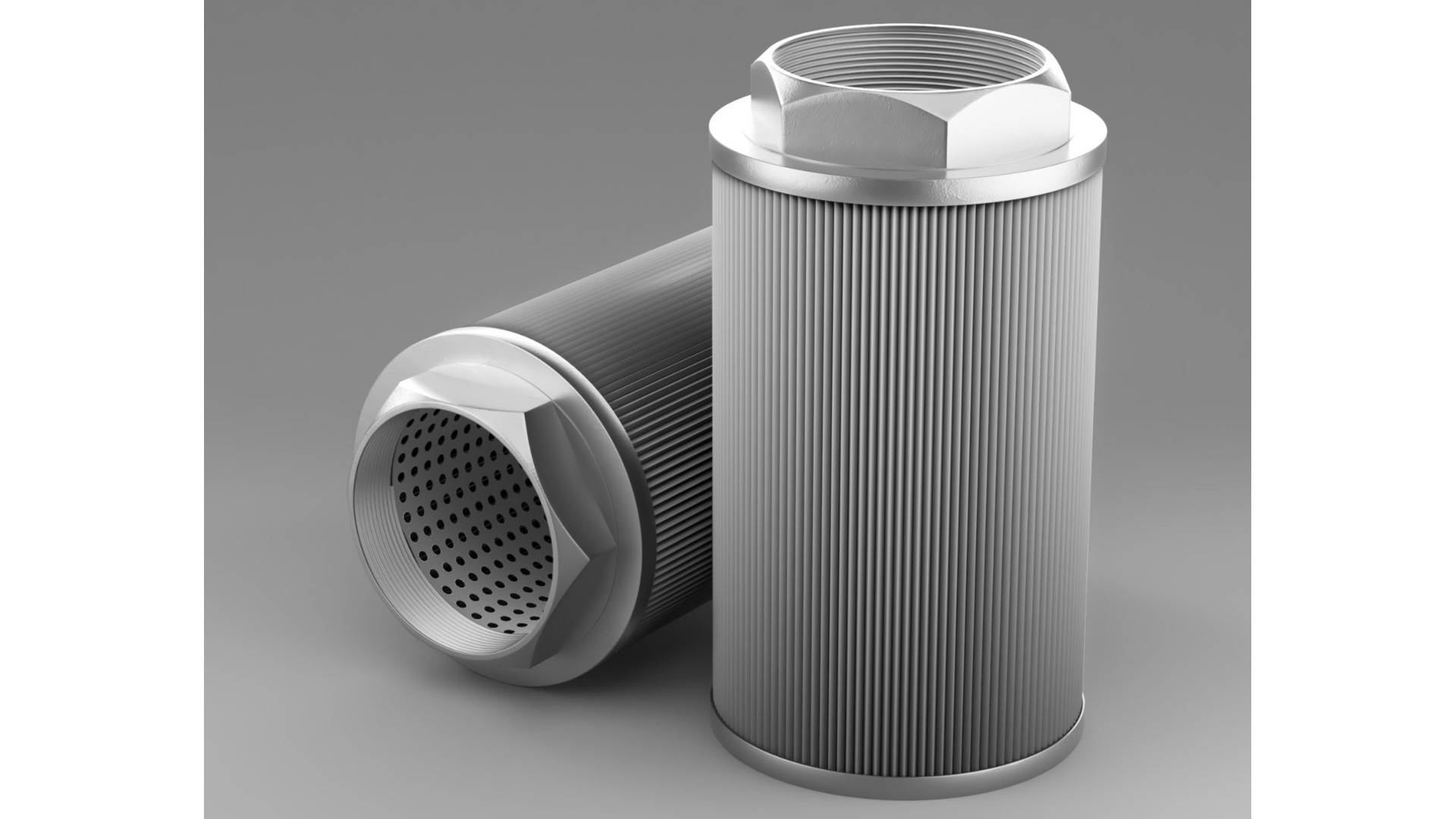
- Hydraulic oil filters
- Diesel engine oil filters
- High-capacity industrial filters
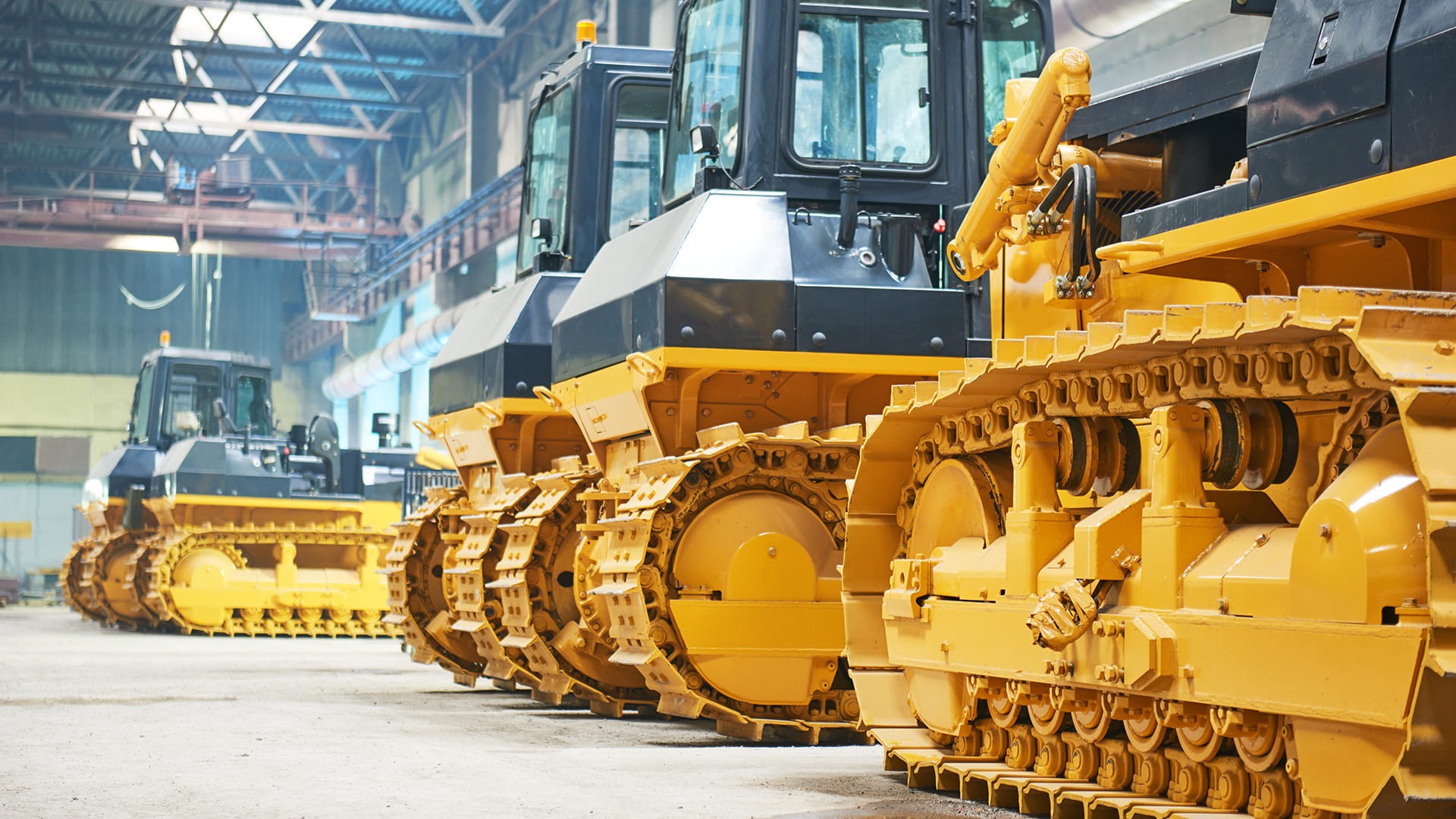
Industries such as construction, logistics, and manufacturing rely on these filters to maintain uninterrupted operations. Suppliers in the UAE often cater to sectors operating in extreme environments, making durability a key factor.
How to Evaluate Oil Filter Suppliers in UAE
Not all suppliers offer the same level of quality or reliability. Evaluating suppliers carefully helps avoid long-term operational issues.
Material Quality & Filtration Efficiency
High-quality oil filters use superior filter media that can trap even microscopic particles. When assessing suppliers:
- Check filtration efficiency ratings
- Verify material durability
- Look for compliance with international standards
- Ask about testing and quality control processes
Reliable suppliers like the focus on consistent quality and performance across product ranges.
Compatibility with UAE Operating Conditions
The UAE’s environment demands filters that can withstand:
- High temperatures
- Dust and sand exposure
- Long operating hours
Suppliers should offer filters specifically designed for regional conditions. Compatibility with different vehicle types and machinery is equally important to avoid performance issues.
Bulk Buying Oil Filters: What UAE Buyers Should Know
Bulk purchasing is common among fleet operators, workshops, and industrial businesses in the UAE. However, it requires careful planning.
Key considerations include:
- Cost vs quality balance – Cheaper filters may increase long-term costs
- Supplier reliability – Consistent stock availability is crucial
- After-sales support – Technical guidance and product recommendations add value
- Customisation options – Some suppliers offer tailored solutions for specific industries
Bulk buyers should also ensure proper storage conditions to maintain filter integrity, especially in high-temperature environments.
When to Change Oil Filter
One of the most common questions among vehicle owners and operators is: When to change oil filter?
While it depends on usage and vehicle type, general guidelines include:
- Every 5,000 to 10,000 km for passenger vehicles
- During every oil change
- More frequently in dusty or extreme conditions (common in UAE)
Ignoring timely replacement can lead to clogged filters, reduced oil flow, and eventual engine damage. For heavy-duty machinery, replacement intervals may vary based on operational intensity.
Conclusion
Selecting the right oil filter suppliers in UAE is critical for maintaining engine performance, reducing downtime, and controlling maintenance costs. From understanding filter types to evaluating supplier quality and planning bulk purchases, every decision impacts long-term efficiency.
Businesses and vehicle owners operating in the UAE should prioritise durability, filtration performance, and supplier reliability. Partnering with trusted suppliers ensures consistent performance even under challenging environmental conditions.
FAQ
1. Who are the best oil filter suppliers in UAE?
The UAE has several reputable oil filter suppliers catering to automotive and industrial needs. It is important to choose suppliers that offer high-quality products, consistent availability, and support for UAE conditions.
2. When to change oil filter in UAE conditions?
In the UAE, oil filters should typically be changed every 5,000–10,000 km or during every oil change. Dusty environments may require more frequent replacements.
3. Are oil filters different for cars and heavy machinery in UAE?
Yes, automotive oil filters are designed for light vehicles, while heavy-duty filters are built for trucks, construction equipment, and industrial machinery with higher capacity and durability.
4. Where can I buy oil filters in bulk in UAE?
Bulk oil filters can be sourced from specialised suppliers and distributors across UAE industrial hubs such as Dubai, Sharjah, and Abu Dhabi.
5. What should UAE buyers check before choosing an oil filter supplier?
Buyers should evaluate product quality, filtration efficiency, compatibility with local conditions, and supplier reliability before making a purchase.







 Facebook
 Instagram
 LinkedIn