Fleet maintenance in the UAE lives or dies by the parts room. A workshop foreman in Mussafah with 60 trucks doesn't need theory. They need a checklist that runs, a supplier that ships same-day, and a set of intervals adjusted for what the trucks are actually doing.
Short answer, straight to the working format. A UAE fleet filter maintenance program should cover six filtration systems on every vehicle, engine oil, primary fuel, secondary fuel, air intake, hydraulic (where fitted), and cabin/HVAC, with intervals shortened 20–30% from OEM defaults to account for heat, dust, and fuel variance. Standardize on 2–3 brands maximum (typically Fleetguard for Cummins, MANN for European commercial vehicles, Baldwin or Donaldson as cross-reference), keep restriction gauges on every intake, and log every filter change to build a per-vehicle history. Do that and you eliminate 70–80% of the unplanned filter-related downtime the average UAE fleet accepts as normal.
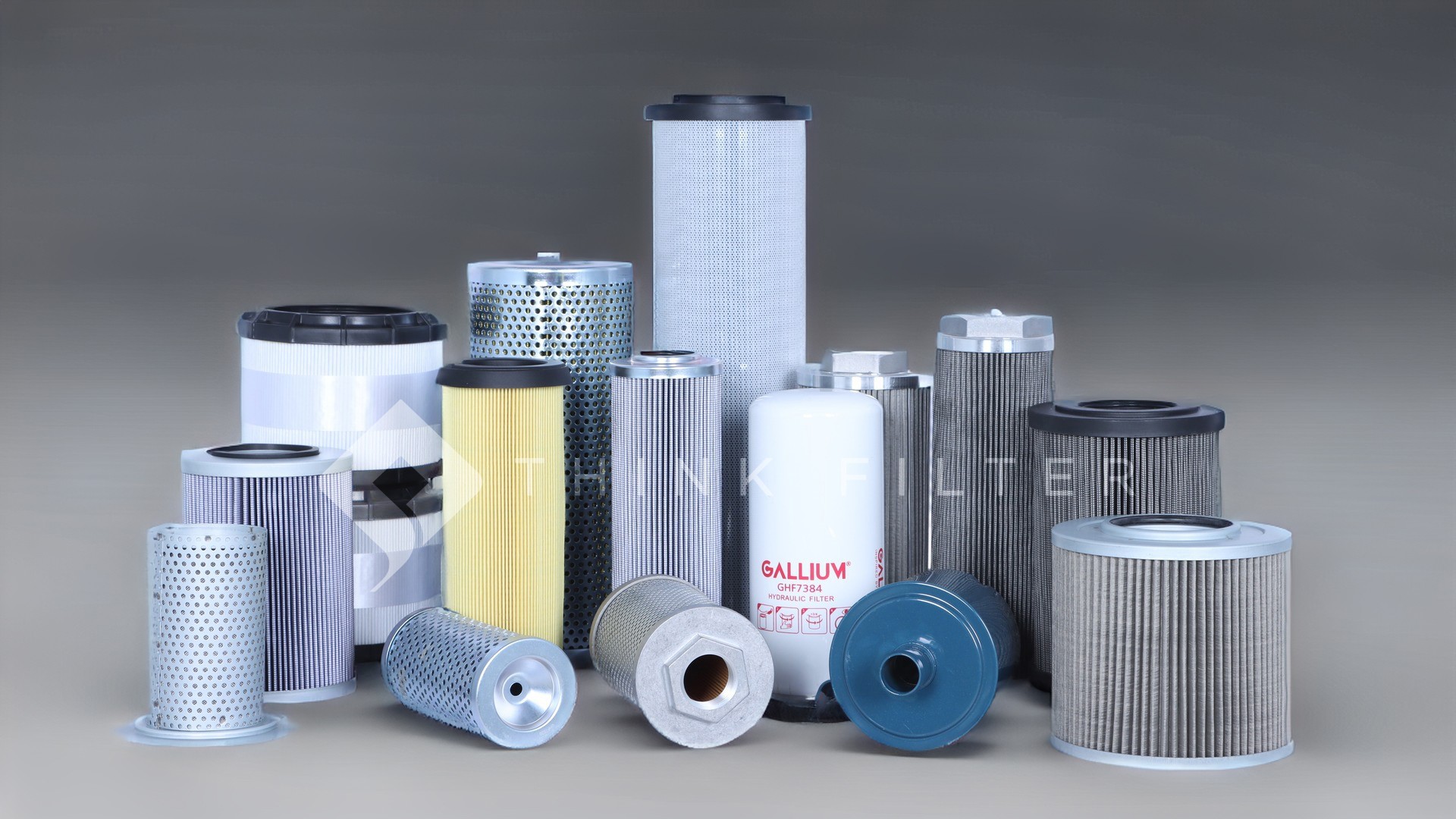
We stock the full heavy-duty fleet filtration range from our Aweer warehouse, Fleetguard, Donaldson, MANN‑FILTER, Baldwin, Racor, with same-day dispatch across Dubai, Sharjah, Abu Dhabi, Jebel Ali, and Mussafah. The rest of this guide is the practical checklist, broken down by filter type, with UAE-adjusted intervals and the OEM cross-reference logic that makes ordering easier.
For the underlying climate reasoning that shapes these intervals, our filter maintenance guide for the UAE climate covers why the derating matters.
Before you start: three preconditions that make the checklist actually work
One: know every vehicle's OEM filter set. Build a master parts list with vehicle registration, engine model, and the OEM part number for each of the six filtration positions. This is a one-time exercise that pays back for years. Cross-reference each OEM number to the aftermarket equivalent you'll actually stock (Baldwin or Donaldson typically).
Two: fit restriction gauges on air intakes and differential-pressure indicators on oil and fuel filter housings where possible. Interval-based service is the plan; gauge-based service is the reality check. Any vehicle that shows early bypass tells you something about that vehicle's duty cycle that a calendar can't.
Three: use one supplier for everything. Splitting orders across three vendors to save 8% on unit cost costs more in parts-room chaos, wrong deliveries, and downtime waiting for a filter that got backordered. We stock all major heavy-duty brands under one PO from Aweer, that's the model. Bulk pricing available on standing orders.
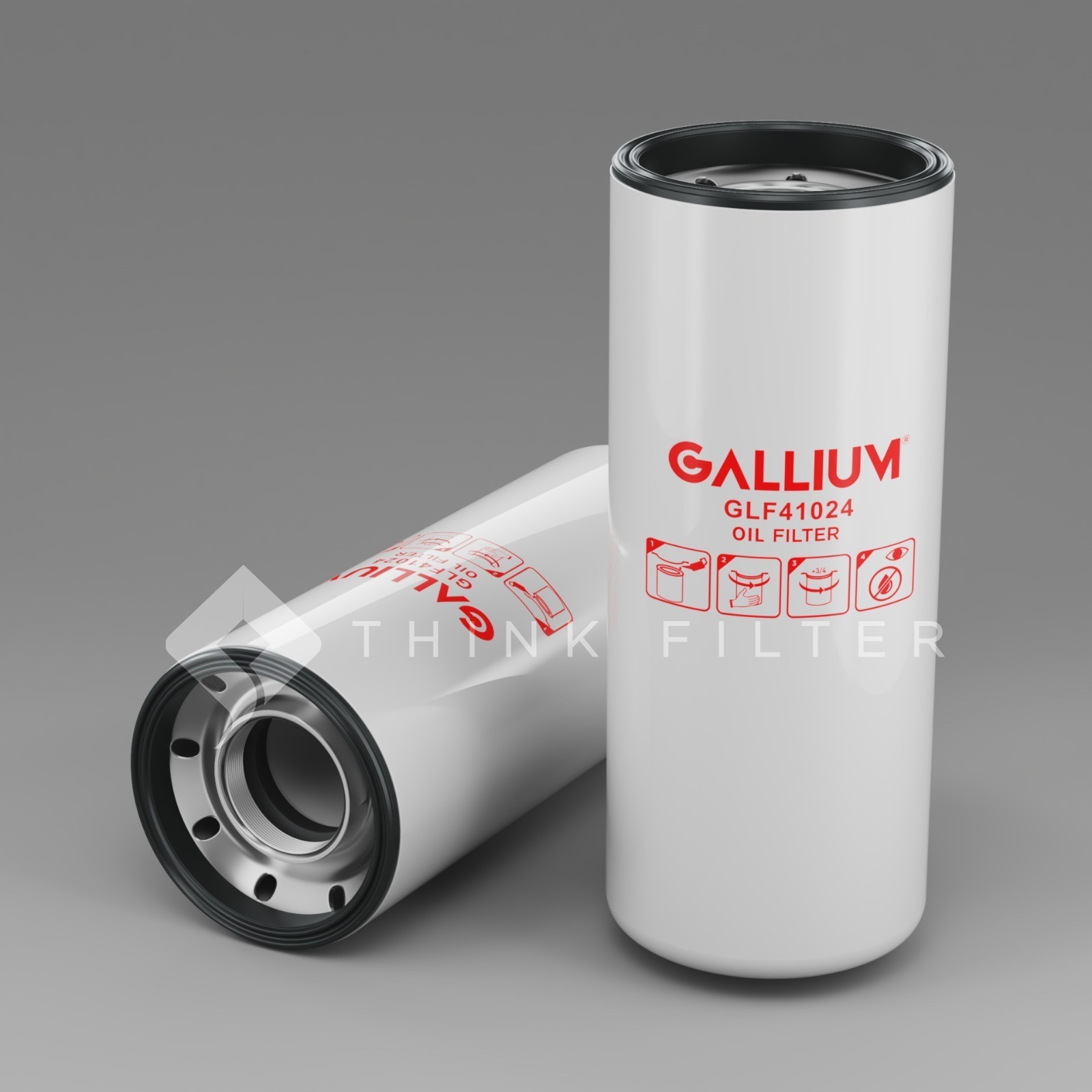
Engine oil filter: the discipline that saves engines
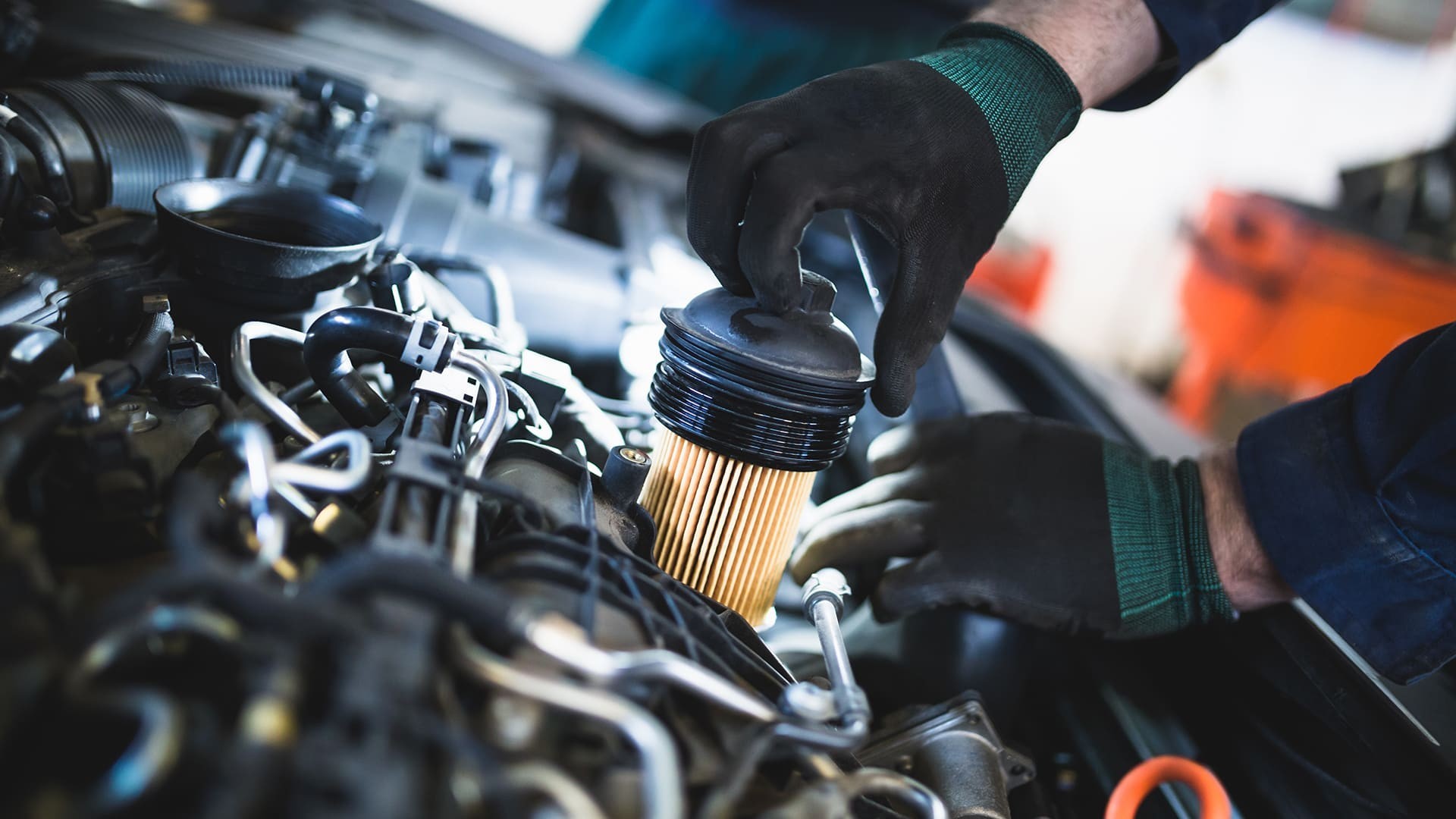
What it does. Removes wear metal, soot, and combustion contaminants from the engine oil circuit. Bypass valve opens at a rated differential pressure (typically 15–25 psi) to protect the engine from oil starvation if the filter loads up.
UAE-adjusted interval. Cummins ISM/ISX: shorten OEM 30,000 km to 22,000–25,000 km for UAE road duty; drop to 18,000 km for heavy-load / summer / dusty routes. Mercedes-Benz Actros OM471: OEM 60,000 km down to 45,000 km. Perkins 1300/1600 series industrial: OEM 500 hours down to 400 hours.
Common part numbers we ship weekly.
- Fleetguard LF9080 (Cummins ISM/ISX)
- Fleetguard LF14000NN (Cummins ISB with NanoNet media)
- MANN HU 12 140 x (Mercedes-Benz Actros)
- Baldwin B7577 (heavy-duty universal cross-reference)
Checklist actions.
- Torque to spec (typically 20–25 Nm for spin-on; check OEM). Over-torquing crushes the gasket; under-torquing leaks.
- Pre-fill with clean oil where the OEM allows.
- Log the change in the vehicle service book with date, mileage/hours, part number, and technician.
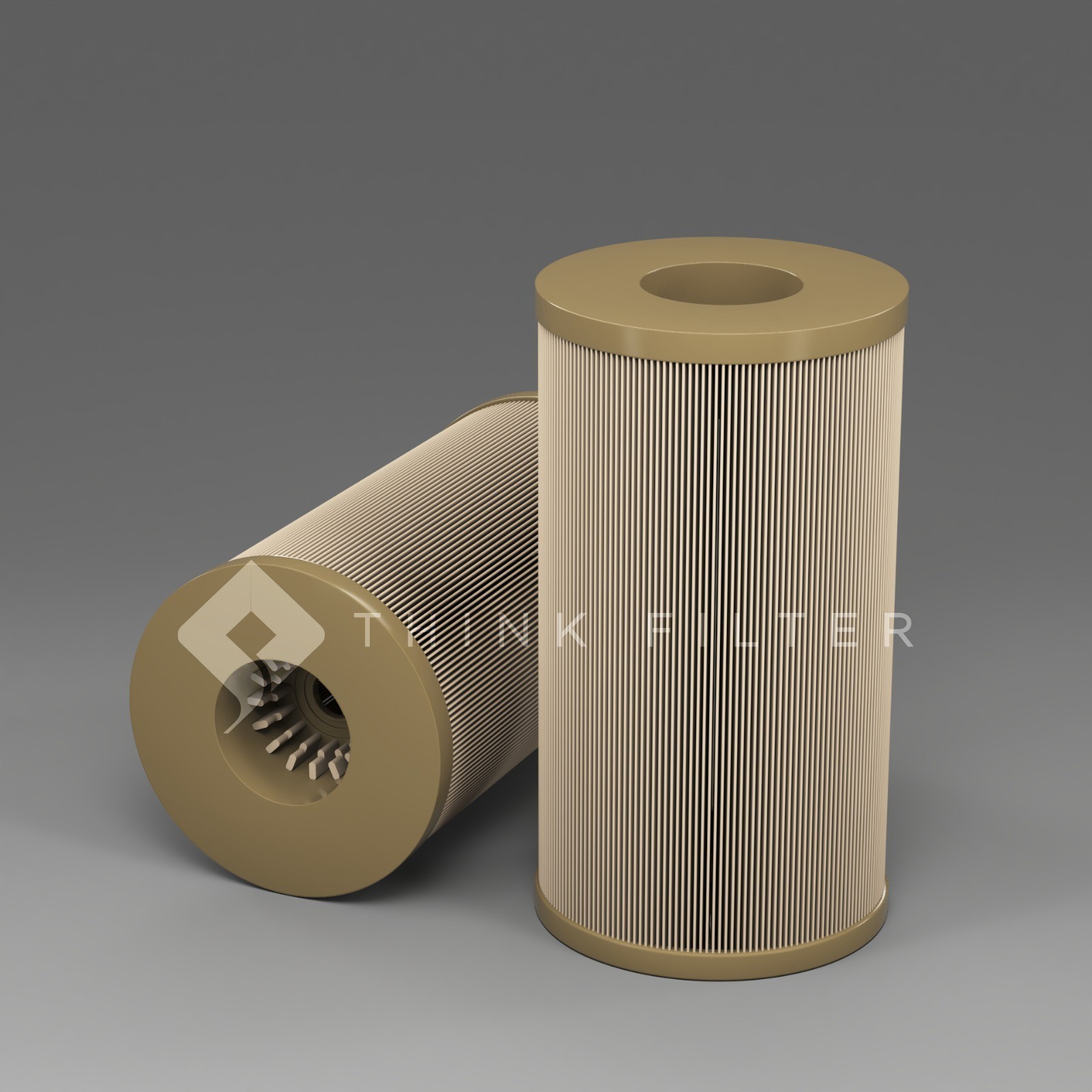
Primary fuel filter / fuel-water separator: the reliability filter
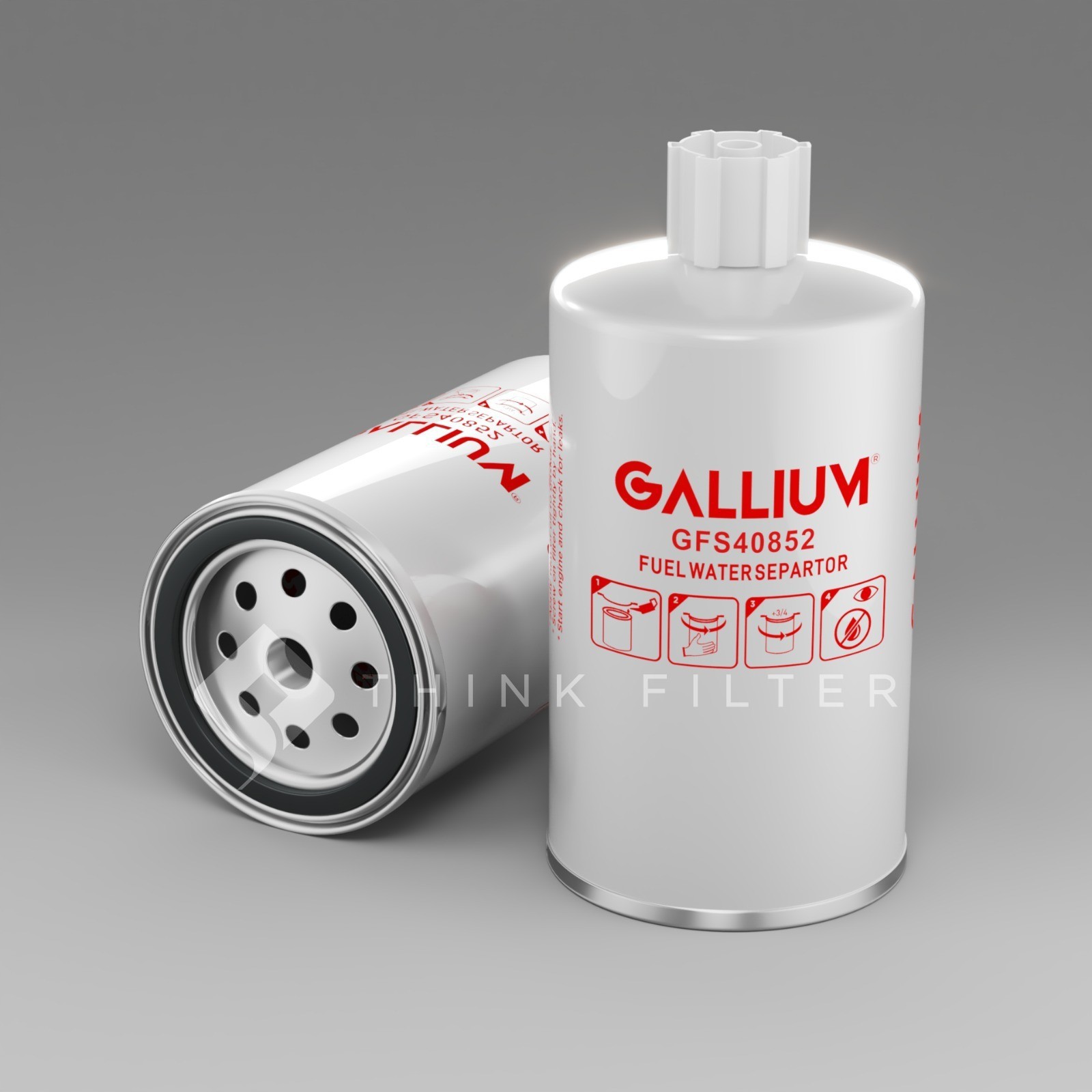
What it does. Removes coarse particulate and separates free water from fuel before it reaches the transfer pump. In UAE conditions this is the single most abused filter position because of fuel-quality variance.
UAE-adjusted interval. Shorten OEM interval by 25% for fleets that fuel from mixed sources. If the water bowl on the separator fills between service intervals, shorten further and start sampling the fuel source.
Common part numbers.
- Fleetguard FS1000 (Cummins ISB/ISM primary with water separation)
- Fleetguard NanoNet FS19828 (Cummins ISX)
- Racor R60P and R120P (universal primary with Aquabloc water separation)
- Baldwin BF7633 (fuel/water separator cross-reference)
Checklist actions.
- Drain the water bowl every shift on trucks running port fuel; weekly on standard road duty.
- Prime the system after change per OEM procedure, do not crank the starter for extended periods, which damages the injection pump.
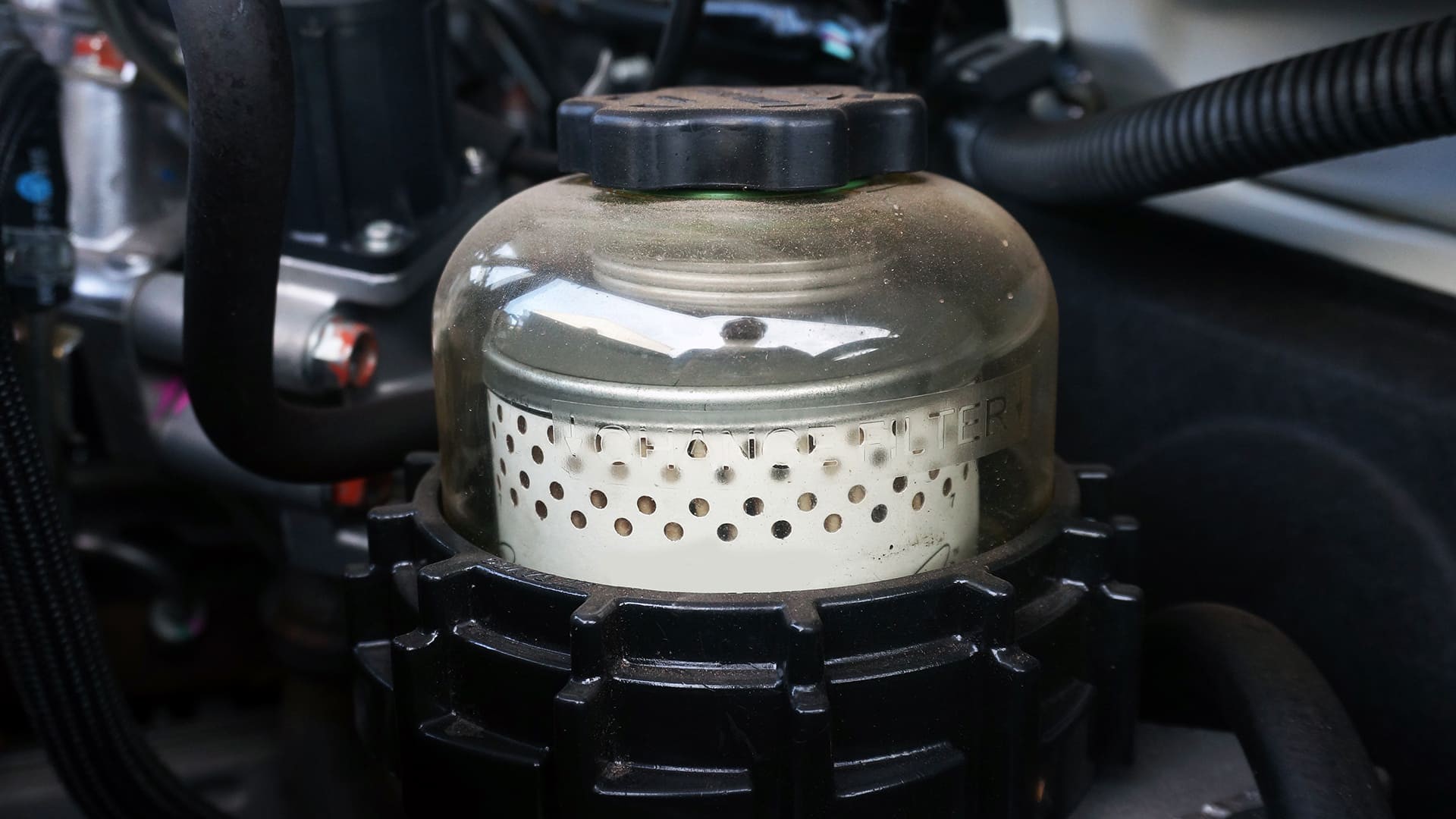
- Fit a clear water bowl where the mount allows, visual water detection is cheaper than an in-line water sensor and equally effective for daily driver checks.
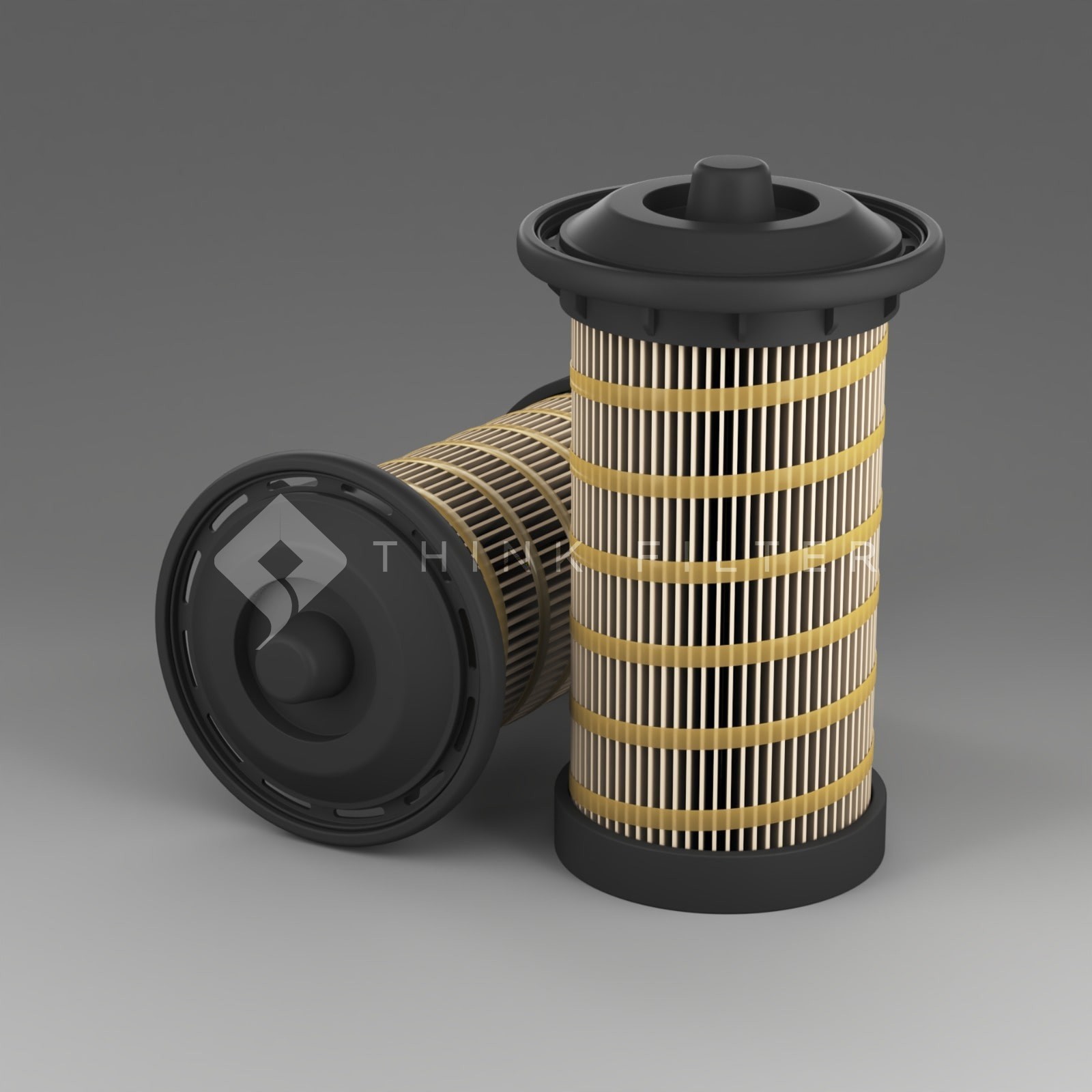
Secondary fuel filter: the injector protector
What it does. Fine particulate filtration downstream of the transfer pump. On common-rail engines this stage protects injectors that run at 1,800–2,500 bar and have machining tolerances measured in microns.
UAE-adjusted interval. For Tier 4 common-rail engines running mixed-quality fuel, shorten the OEM secondary interval by 20–25%. Injector damage from missed secondary changes is one of the most expensive avoidable failures on modern UAE fleets.
Common part numbers.
- Fleetguard FF5052 (Cummins B/C-series)
- Fleetguard FF5488 and FF5776 (heavy-duty common-rail)
- CAT 1R-0750 (CAT C-series, extensively cross-referenced)
- MANN PU 10 002 z (Mercedes-Benz Actros)
Checklist actions.
- Never re-use a secondary fuel filter. Even if it looks clean.
- Confirm the beta rating on any cross-reference (β₄ ≥ 200 minimum for common-rail).
- Change primary and secondary together, mismatched intervals unbalance the two-stage protection.
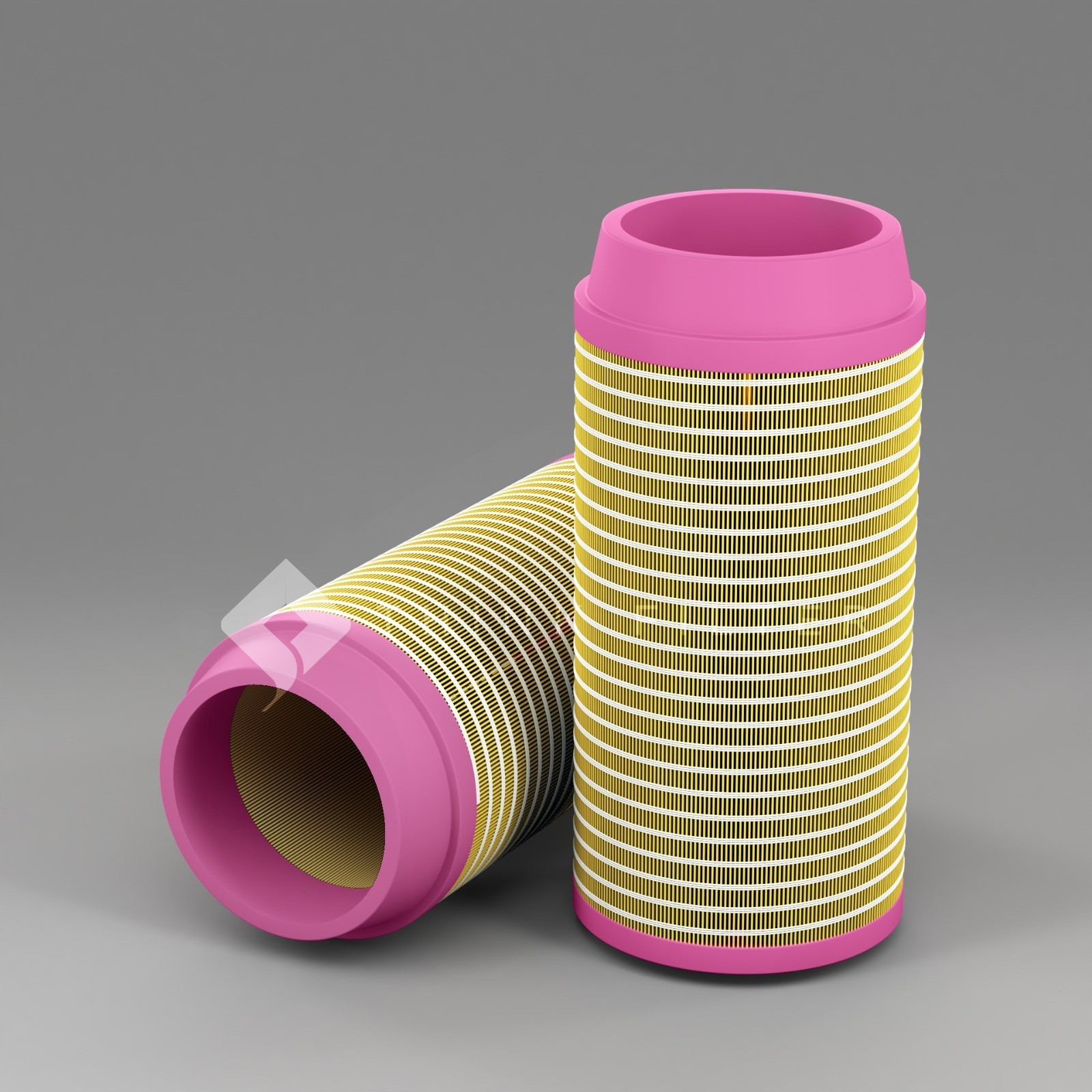
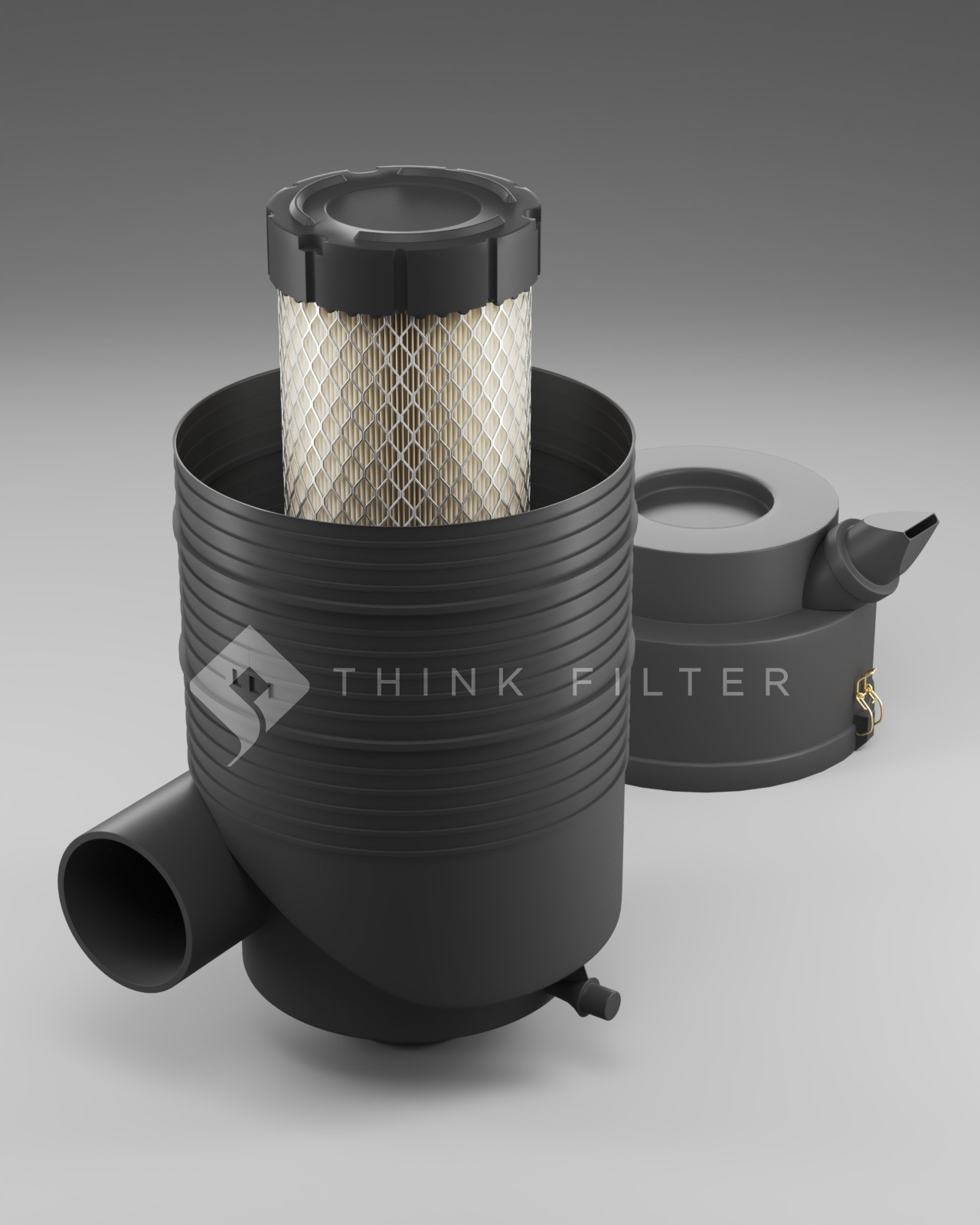
Air intake filter: the engine's first line of defence
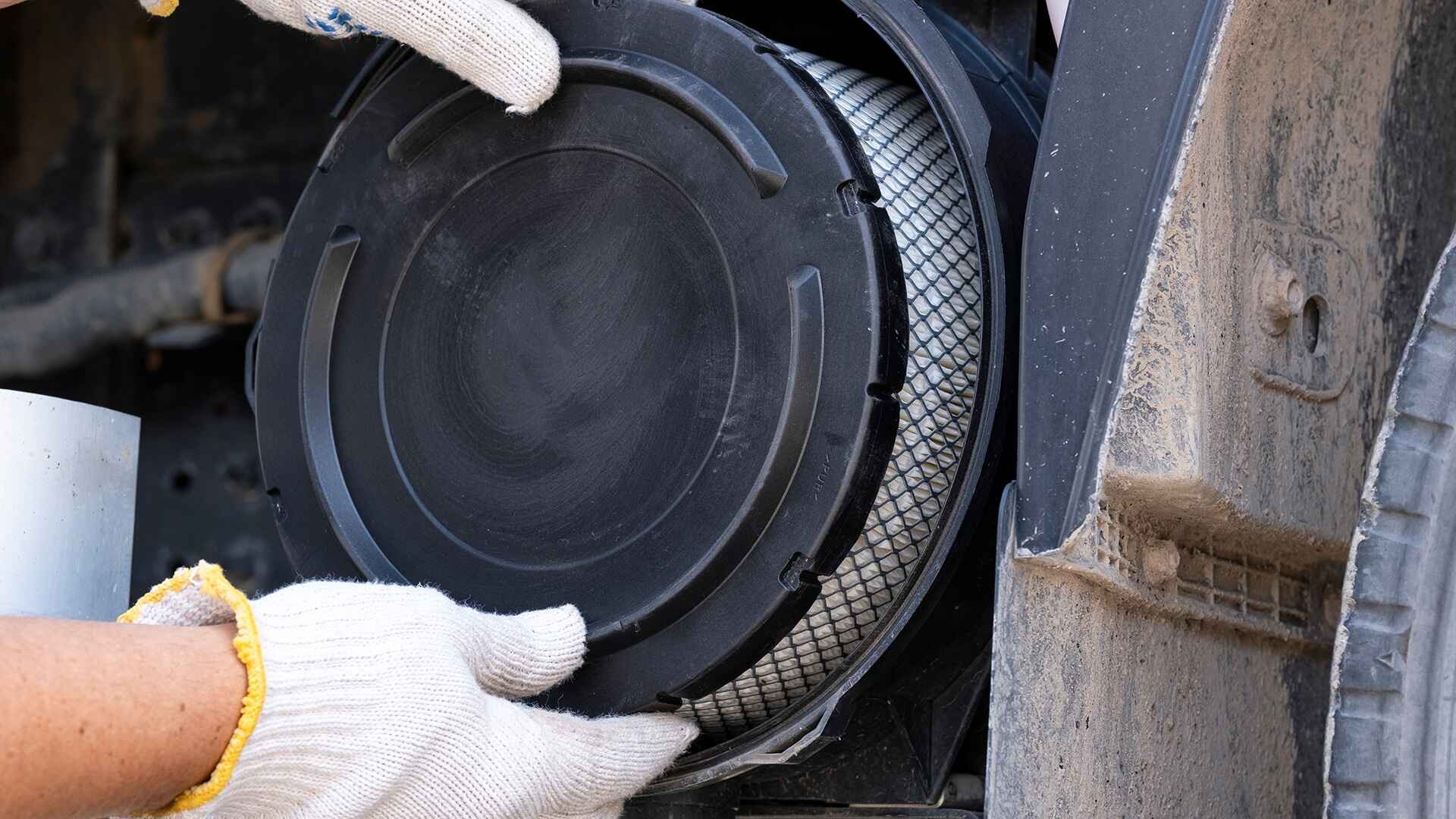
What it does. Removes airborne particulate before it reaches the turbocharger and combustion chambers. In the UAE, this filter position takes the hardest beating of any filtration system on the vehicle.
UAE-adjusted interval. Do not run air filters on time-based intervals alone. Fit restriction gauges. Change when the gauge indicates end of service life or at 50% of OEM interval, whichever comes first. For construction and quarry duty in Sajaa, Al Ain, or Al Ruwais, expect real intervals of 30–50% of OEM assumptions.
Common part numbers.
- Donaldson P181119 (heavy equipment primary intake, PowerCore)
- Donaldson P822858 (safety element for two-stage systems)
- Fleetguard AF25557 and AF25963 (Cummins heavy-duty road)
- MANN C 30 810/2 (Mercedes-Benz Actros)
Checklist actions.
- Fit two-stage filtration (primary + safety element) on all off-highway equipment. The safety element is not optional, it's what saves the engine when the primary fails.
- Never wash and re-use paper air filters. It doesn't work and it damages the media.
- Inspect the intake ducting for cracks at every service. A pin-hole downstream of the filter defeats the entire filtration system.
For the sandstorm-heavy operation specifics, our sandstorm heavy equipment air filter protection guide covers pre-cleaners, restriction gauge thresholds, and PowerCore sizing.
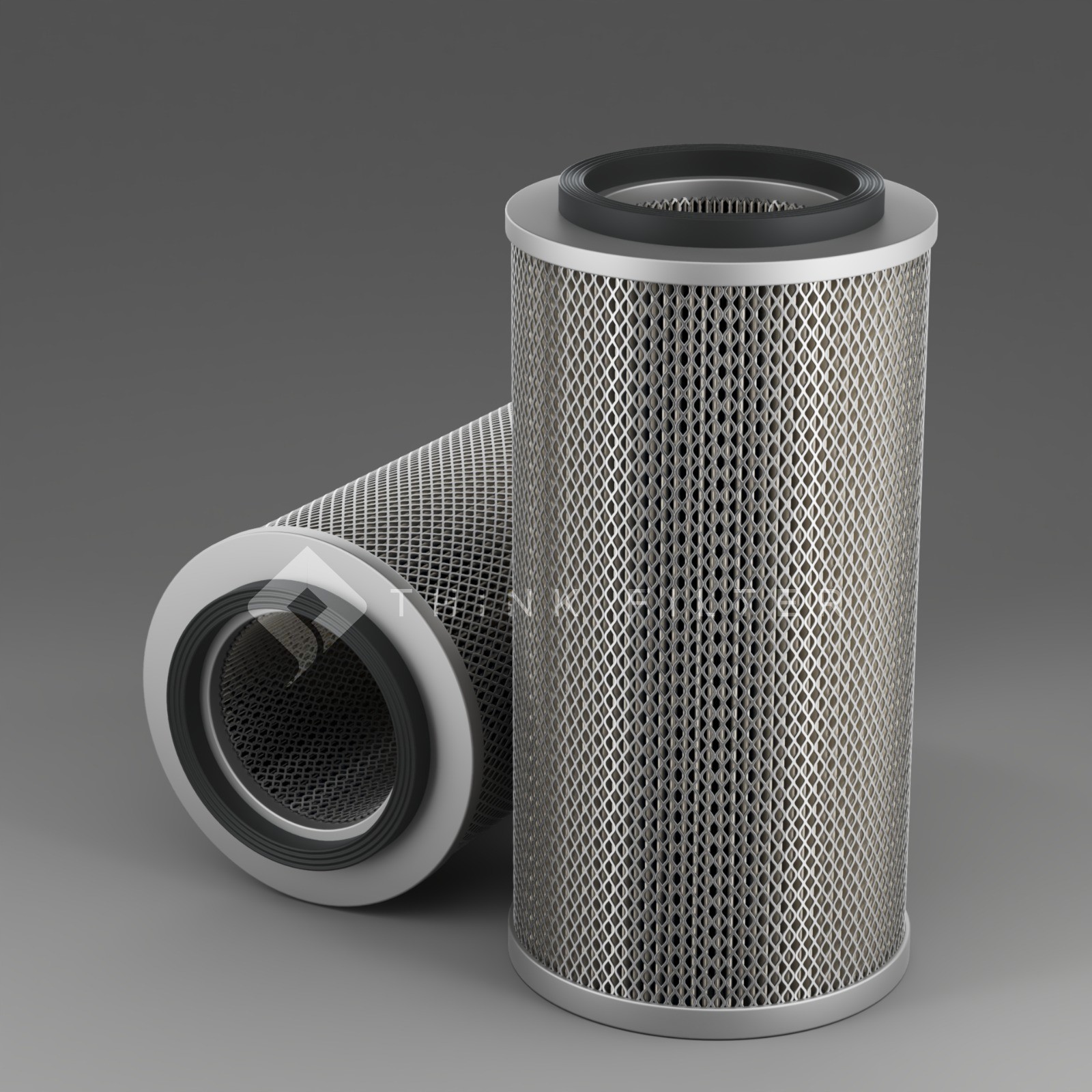
Hydraulic filter: where cleanliness class matters
What it does. Removes particulate and (where fitted) water from hydraulic fluid on tipper trucks, refuse compactors, cranes, refrigeration compressors, and mobile equipment auxiliaries. Cleanliness class targets are set by the hydraulic component with the tightest tolerance, usually a servo or proportional valve.
UAE-adjusted interval. Follow OEM hours-based intervals but add oil analysis (ISO 4406 particle count) every 500–1,000 hours on critical hydraulics. Any drift in cleanliness class means shorten the filter interval.
Common part numbers.
- Hydac 0060 D and 0160 R series (industrial and mobile hydraulic)
- Parker iProtect and HP hydraulic elements
- Donaldson P550248 (hydraulic return line, mobile equipment)
Checklist actions.
- Change return-line filters more frequently than pressure-line elements, return line sees the highest particulate load.
- Log the differential-pressure indicator reading at every visit. A gauge sitting at 80% of bypass on a fresh filter tells you something is generating debris upstream.
- Never top up hydraulic reservoirs with unfiltered new oil, new oil is not clean oil.
Cabin / HVAC filter: the driver-productivity filter
What it does. Removes dust, pollen, exhaust particulate, and (on carbon-activated units) odours from the vehicle cabin airflow.
Fleet managers underweight this filter because it doesn't kill engines. But a driver in a dust-choked cabin fatigues faster, gets sick more often, and takes longer to complete routes. On tanker fleets and long-haul routes, cabin filter service is a legitimate productivity investment.
UAE-adjusted interval. OEM typically 20,000 km. Shorten to 12,000–15,000 km for dust-heavy routes. Change ahead of any long dust-storm event where possible.
Common part numbers.
- MANN CU series (European commercial vehicles)
- Baldwin PA series (mixed-fleet cross-reference)
Checklist actions.
- Inspect the HVAC evaporator at every cabin filter change, dust bypass around a poorly seated filter fouls the coil and reduces cooling capacity in exactly the season a UAE driver needs it most.
- Prefer carbon-activated filters for urban delivery routes in Dubai and Sharjah, the diesel exhaust load justifies the small cost premium.
Coolant filter (where fitted): the SCA control filter
What it does. On heavy-duty engines fitted with coolant filters (many Cummins, some CAT, some Mercedes), the filter maintains supplemental coolant additive (SCA) levels and traps rust and scale.
UAE-adjusted interval. Follow OEM strictly, SCA depletion follows a chemistry curve independent of ambient temperature. Test the coolant chemistry at every service change.
Common part numbers.
- Fleetguard WF2073 and WF2076 (Cummins coolant)
- Baldwin BW5074 cross-reference
The checklist itself (print this page)
| System | Action | Interval | Log |
|---|---|---|---|
| Engine oil filter | Change with oil, torque to spec, log part number | 22,000–25,000 km (Cummins road) | Date, km, part #, tech |
| Primary fuel filter | Change, drain water bowl every shift | 20,000 km (or 25% short of OEM) | Date, km, part # |
| Secondary fuel filter | Change with primary | Same as primary | Date, km, part # |
| Air intake filter | Restriction gauge check every shift, change on indicator | Gauge-based, or 50% of OEM ceiling | Date, hours, part #, gauge reading |
| Hydraulic filter | Change per OEM hours, sample ISO 4406 every 500 hrs | Per OEM + analysis | Date, hours, part #, particle count |
| Cabin filter | Change, inspect evaporator | 12,000–15,000 km | Date, km, part # |
| Coolant filter | Change with SCA test | Per OEM | Date, km, part #, SCA reading |
Frequently asked questions
How much can I really save by shortening OEM filter intervals in UAE conditions? Counterintuitively, shorter intervals often reduce total fleet cost. A missed change interval that lets an air filter go into bypass costs a turbocharger. A late fuel filter change lets injector wear accelerate. The parts cost of a slightly earlier change is trivial compared with the repair. On UAE fleets we work with, moving from OEM-default intervals to UAE-adjusted intervals typically pays back through fewer engine and hydraulic incidents within a year.
Should I standardize on OEM (Fleetguard, MANN) or on cross-reference brands (Baldwin, Donaldson)? Standardize on OEM for engines under factory warranty and for emissions-critical Tier 4 applications. Standardize on high-quality cross-reference (Baldwin, Donaldson) for post-warranty fleets, mixed OEM fleets, and non-critical applications. Most UAE fleets end up with a hybrid, OEM on the newest vehicles, cross-reference on older units.
How do I train the parts room to spot counterfeits? Three checks: batch-code verification against the OEM authenticity portal (Fleetguard, Donaldson, MANN all publish this), weight comparison against a known genuine sample (counterfeits are typically 15–25% lighter), and packaging quality (print registration, holograms, distributor label). Any supplier who can't produce an authorized-distributor letter for the brand in question doesn't sell the brand.
What's the right way to phase out an old part number when the vehicle model is discontinued? Cross-reference to the current OEM number for the same application. Filter part numbers change more often than filter designs; the physical spec usually stays the same for a decade or more. Our cross-reference desk handles this, send the old part number and vehicle detail and we'll match to current stock.
Do I need differential-pressure gauges on oil and fuel filters, or is a service interval enough? Gauges are strongly recommended on standby gensets and critical fleet applications. For general road fleets, a well-run interval-based program with proper logging catches most issues. But for anything where downtime cost is high, hospital gensets, port-crane hydraulics, refrigerated trailers, the gauge cost is trivial insurance.
How does bulk ordering work for fleet accounts? Standing orders based on your rolling monthly usage, delivered on your service calendar, invoiced monthly. We hold buffer inventory at Aweer for the SKUs you run regularly, so a mid-cycle re-order is same-day dispatch. Cross-reference lookup is included at no extra fee, send the OEM number, get the equivalent.
Related reading: Fleetguard filters we stock, oil filters category, and diesel generator filter maintenance before UAE summer.
Author
Meera Ajesh is a filtration technical specialist with 12 years in heavy-duty aftermarket parts across the GCC. Works with UAE fleet accounts on inventory standardization and cross-reference lookup out of ThinkFilter's Aweer warehouse.
Sources: ISO 4406:2021 solid contamination code for hydraulic fluids; Cummins Filtration OEM service manuals; Donaldson Blue and PowerCore technical data sheets; Bosch Common Rail Guidelines on fuel filtration.







 Facebook
 Instagram
 LinkedIn