Here's the short version, then the long one.
A fuel water separator is the component that keeps water, and the microbial soup water breeds, out of your diesel injectors. On UAE gensets, water contamination is not a rare event. Coastal humidity, condensation cycles in half-full tanks during summer temperature swings, and bunker fuel drawn from ports like Fujairah and Jebel Ali all put water into your fuel line. Once water reaches an injector, you're looking at pitted needles, seized pumps, and a genset that quits during peak load at exactly the wrong moment.
You service the separator on a fixed schedule, usually every 500 operating hours, or monthly for standby units in hospitals, telecom towers, and data centres, plus every time you drain the bowl and find water. The right unit for most UAE genset applications is either a Racor Turbine series (Parker Hannifin) or a Fleetguard FS-series, both of which we stock as authorized inventory in our Aweer warehouse with same-day dispatch. For the full pillar view, browse our complete range of fuel-water separators for UAE applications.
What does a fuel water separator do, and why does it matter for UAE generators?
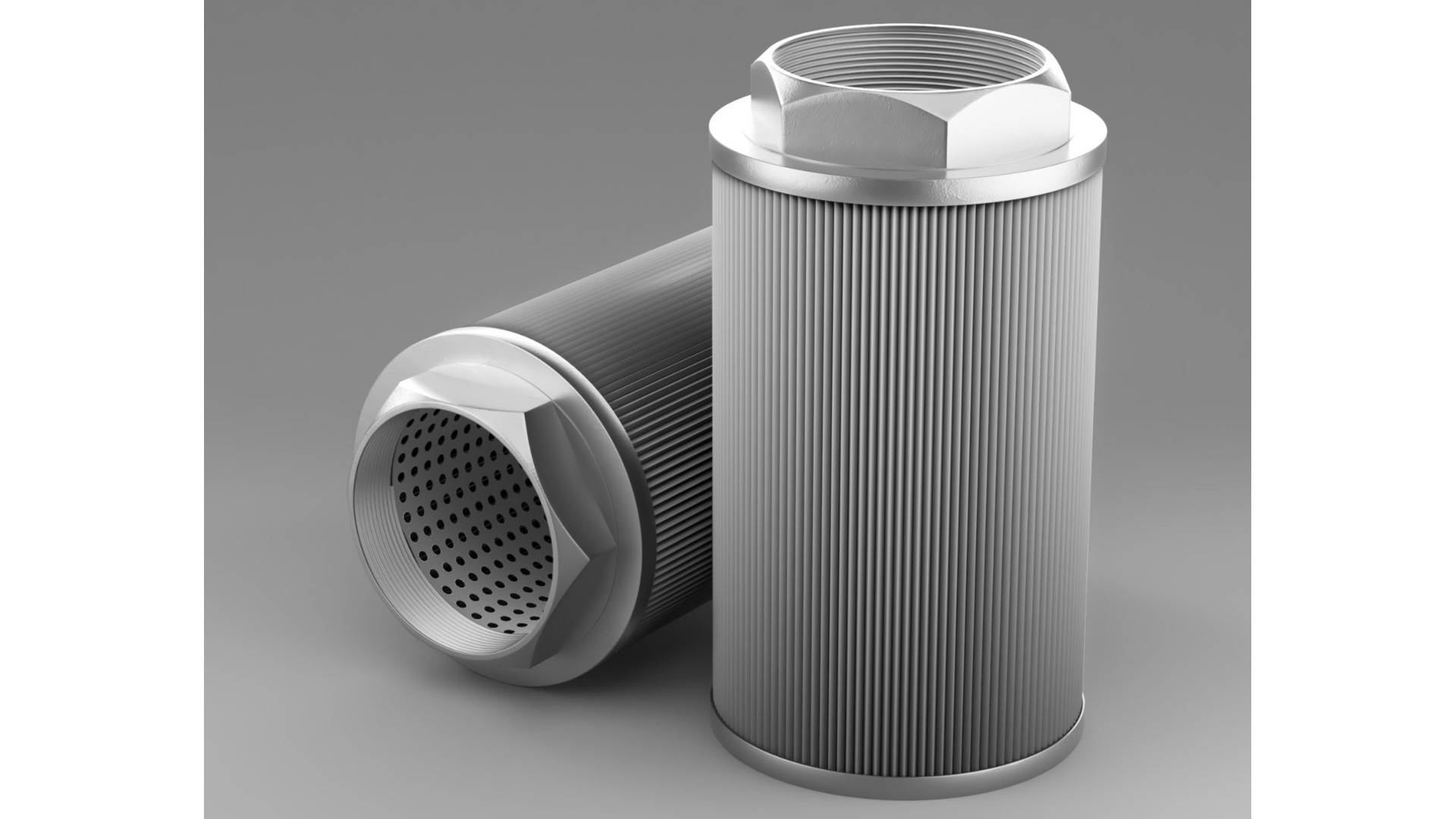
A fuel water separator is a two-stage device. Stage one uses centrifugal force and a hydrophobic surface to make free water droplets coalesce, small droplets ball up into large ones that gravity drops into a collection bowl. Stage two is a fine media element (typically 2–10 microns) that traps particulates and any remaining emulsified water.
On a diesel generator, the separator sits between the day tank and the fuel injection pump. Without it, three things kill your engine:
- Injector damage. Modern common-rail injectors run at 1,600–2,500 bar. Water at those pressures acts like an abrasive blast on the injector needle. Bosch has documented that "even 200 ppm of water in diesel fuel can cut common-rail injector life by 50%" (Bosch Automotive Aftermarket Technical Note on Diesel Contamination).
- Microbial growth. Water sitting at the tank bottom becomes a growth medium for Hormoconis resinae and other diesel bugs. The biomass clogs primary filters within days, not months.
- Corrosion. Fuel system components, pump housings, fuel rails, injector bodies, corrode when water sits in contact for long stretches. Standby gensets that run 15 minutes a week are the worst offenders.
For UAE standby applications, the humidity math is unforgiving. A 5,000-litre day tank half full in a warehouse in Al Quoz will collect 3–8 litres of condensation over a summer if it isn't cycled and dried. That's not a hypothetical, that's what we see when maintenance contractors send us their pulled separator elements.
How do fuel water separators actually remove water from diesel?
Two mechanisms working together, coalescing and barrier separation.
Coalescing is the first stage. Fuel enters a chamber where flow slows and hits a hydrophobic media (usually a treated cellulose or pleated synthetic). Water beads up on the media because the surface energy makes it "reject" water molecules while letting diesel pass. Small droplets merge into larger ones. When droplets get heavy enough, usually above 200 microns, gravity pulls them into the collection bowl at the bottom of the housing.
Barrier separation is the second stage. What water didn't coalesce out passes through a hydrophobic membrane or a very fine filter media. The membrane has pores small enough for fuel molecules but too small for water droplets to pass at the design flow rate. Racor calls this "aquabloc" media. Cummins Filtration calls it "NanoNet." Same physics, different marketing names.
The Turbine action inside a Racor 500-series unit is a good demonstration. Fuel enters at the top, spins around a turbine baffle, drops water and heavy debris to the bowl through centrifugal force, then flows upward through the 2-, 10-, or 30-micron primary element. The clean side goes to your secondary filter and injection pump.
"On our data centre standby fleet across Dubai and Abu Dhabi we run 2-micron Racor primaries and see zero injector warranty claims across 47 gensets over three years," says Kiran Balachandran, senior maintenance engineer at a facilities operator running Cummins and CAT gensets. "Before we standardised on Racor, we were replacing injectors twice a year on the worst sites."
What types of fuel water separators fit UAE genset applications?
Three formats, each with a role. Spec depends on flow rate, engine size, and how much your maintenance team wants to touch the unit.
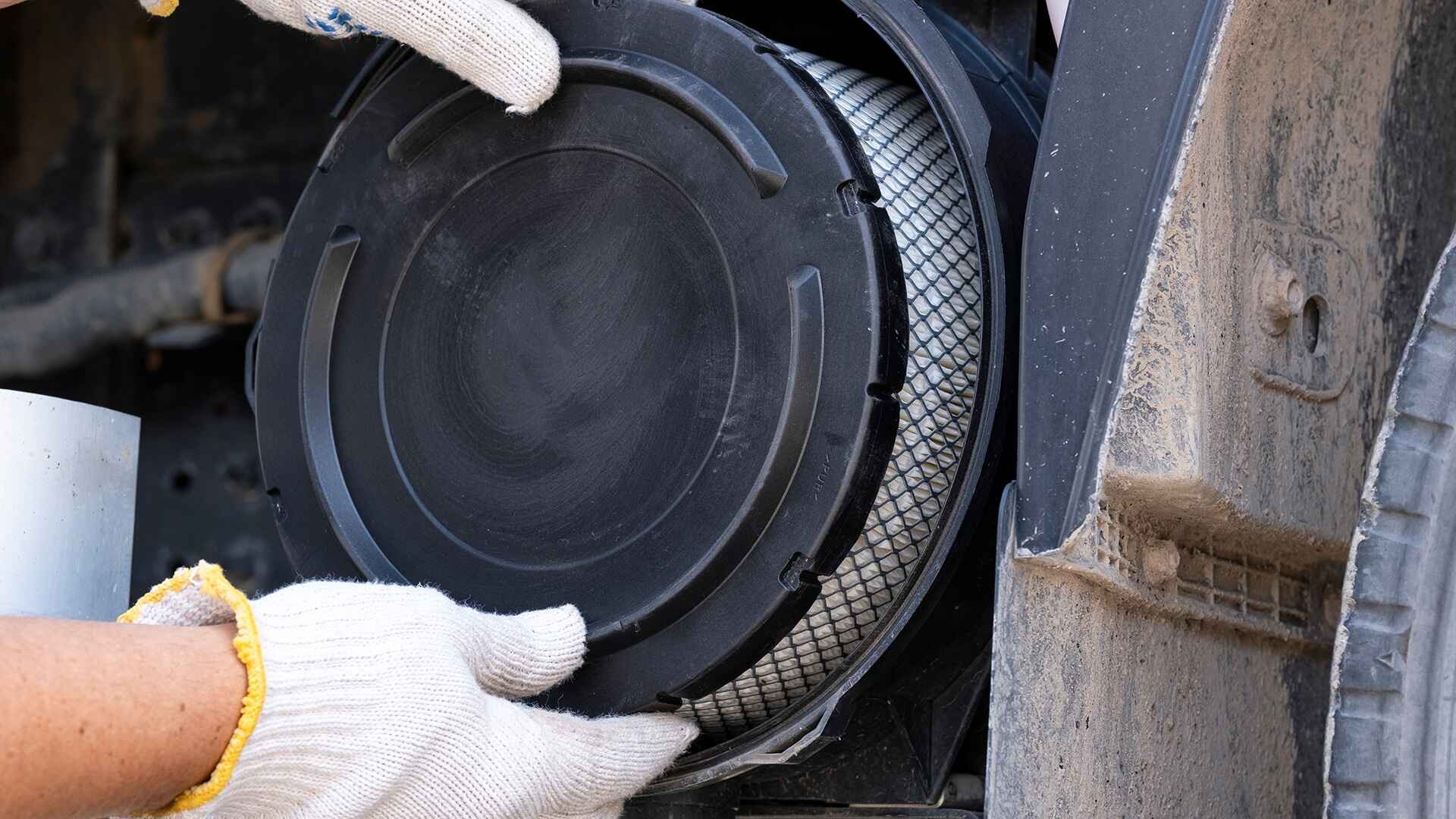
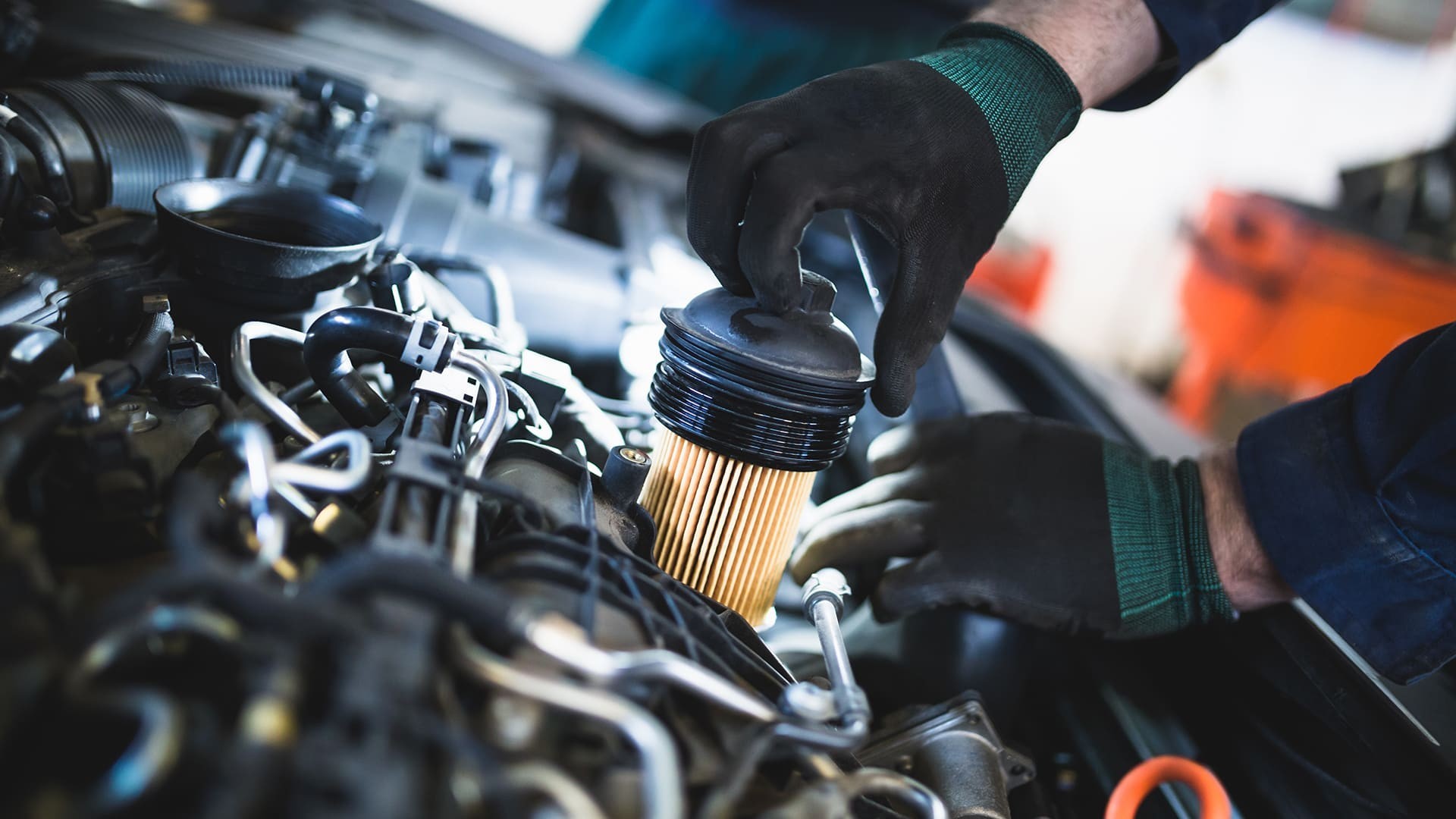
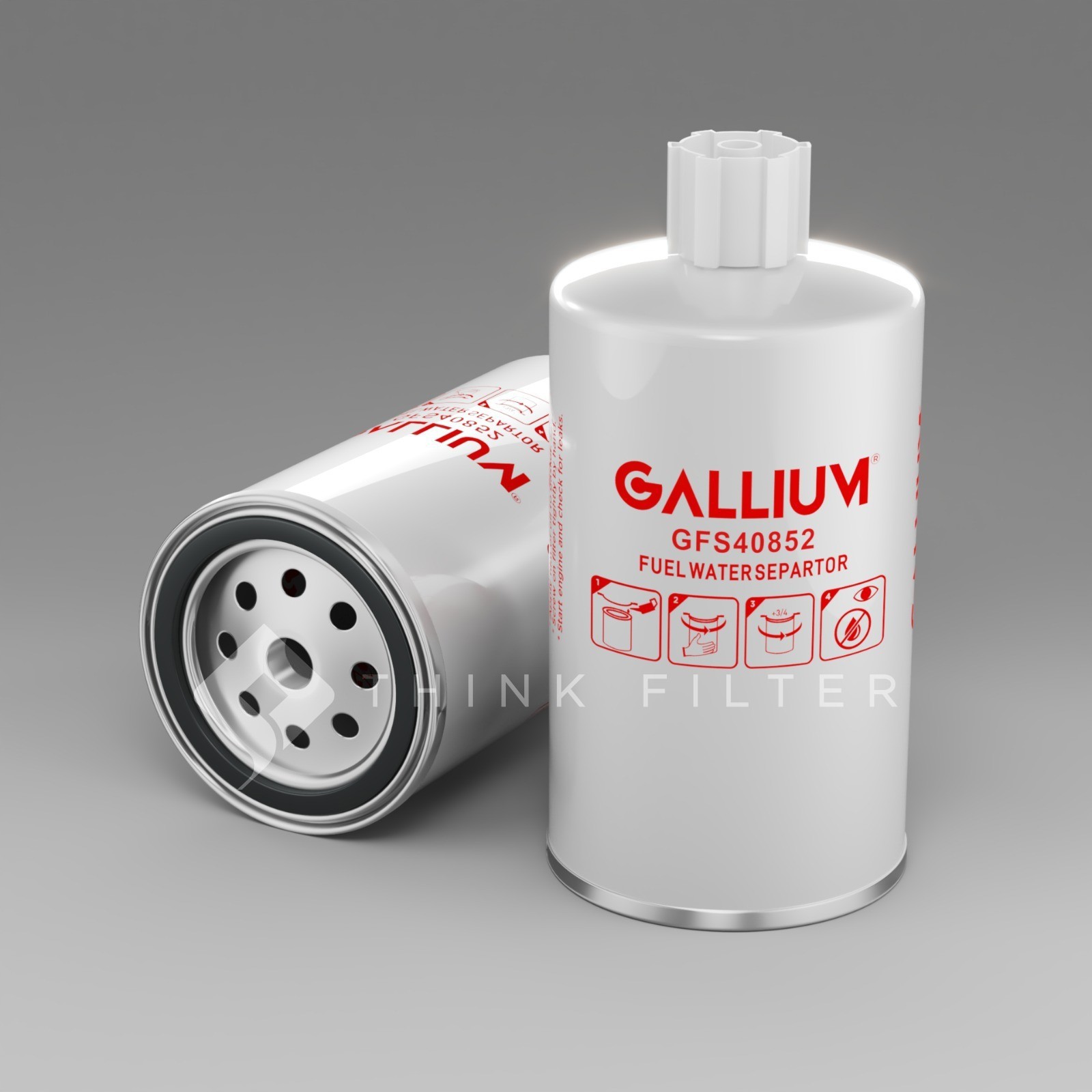
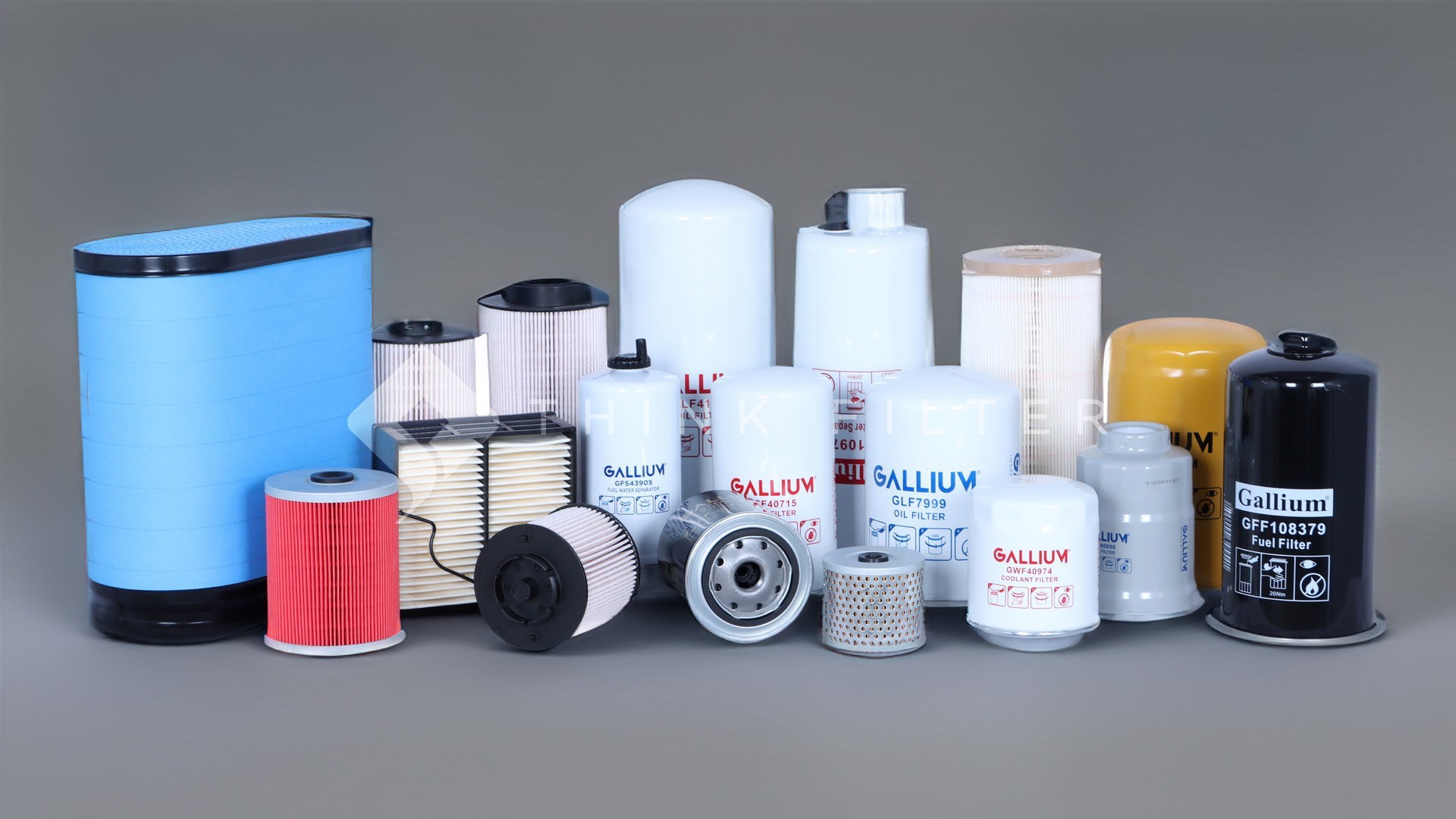
- Spin-on separators. Fleetguard FS1000, FS19732, Fleetguard SepPro FS series. Cartridge screws onto a mounting head like an oil filter. Easiest to change, one hand, no tools beyond a strap wrench. Best for smaller gensets up to about 300 kVA and for fleet vehicles.
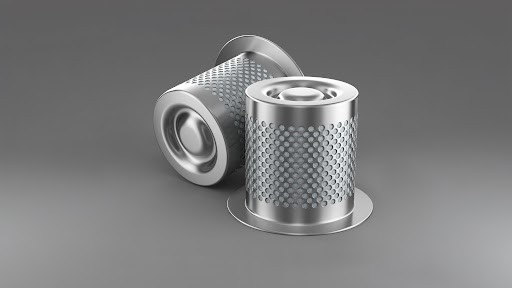
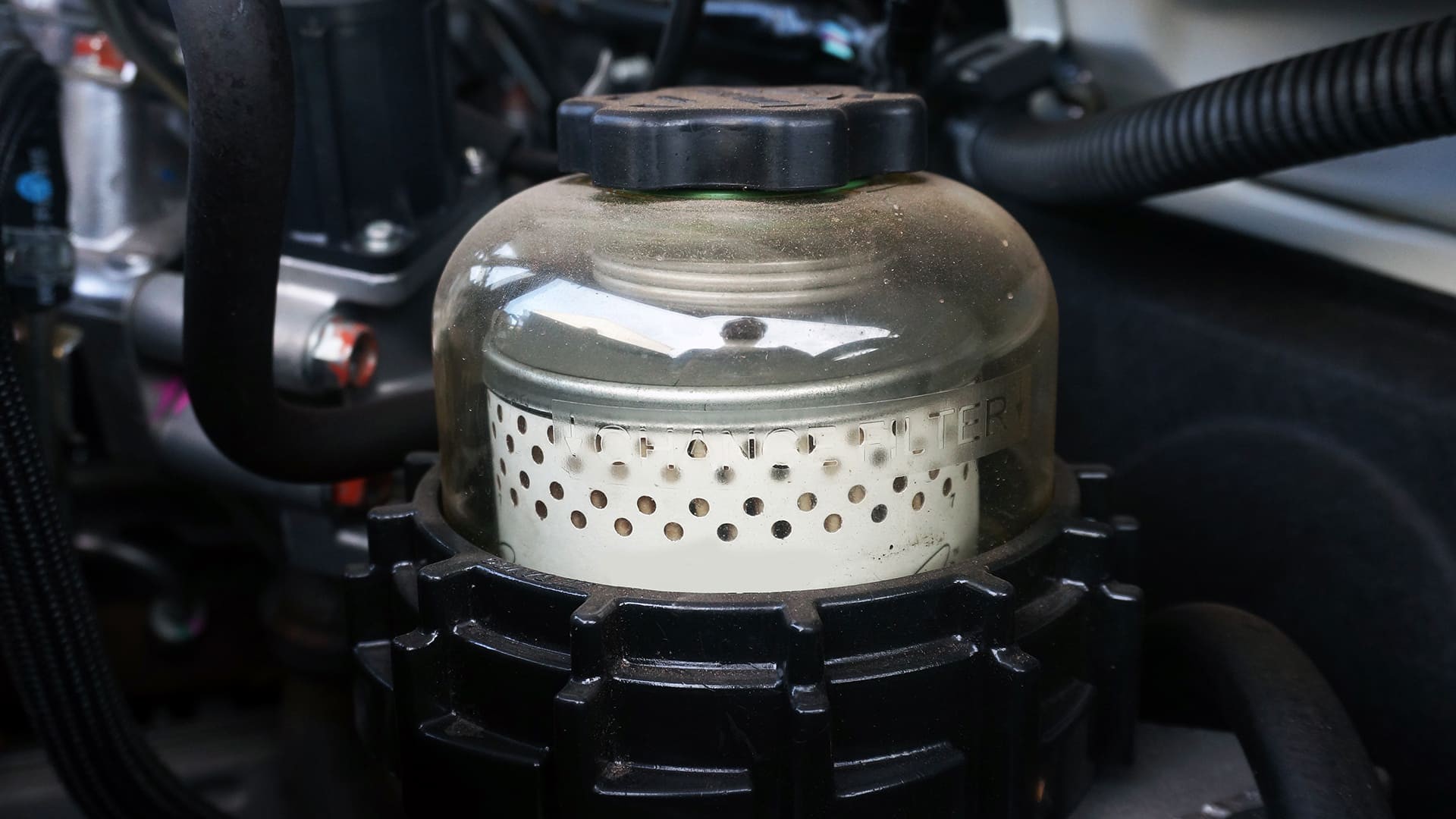
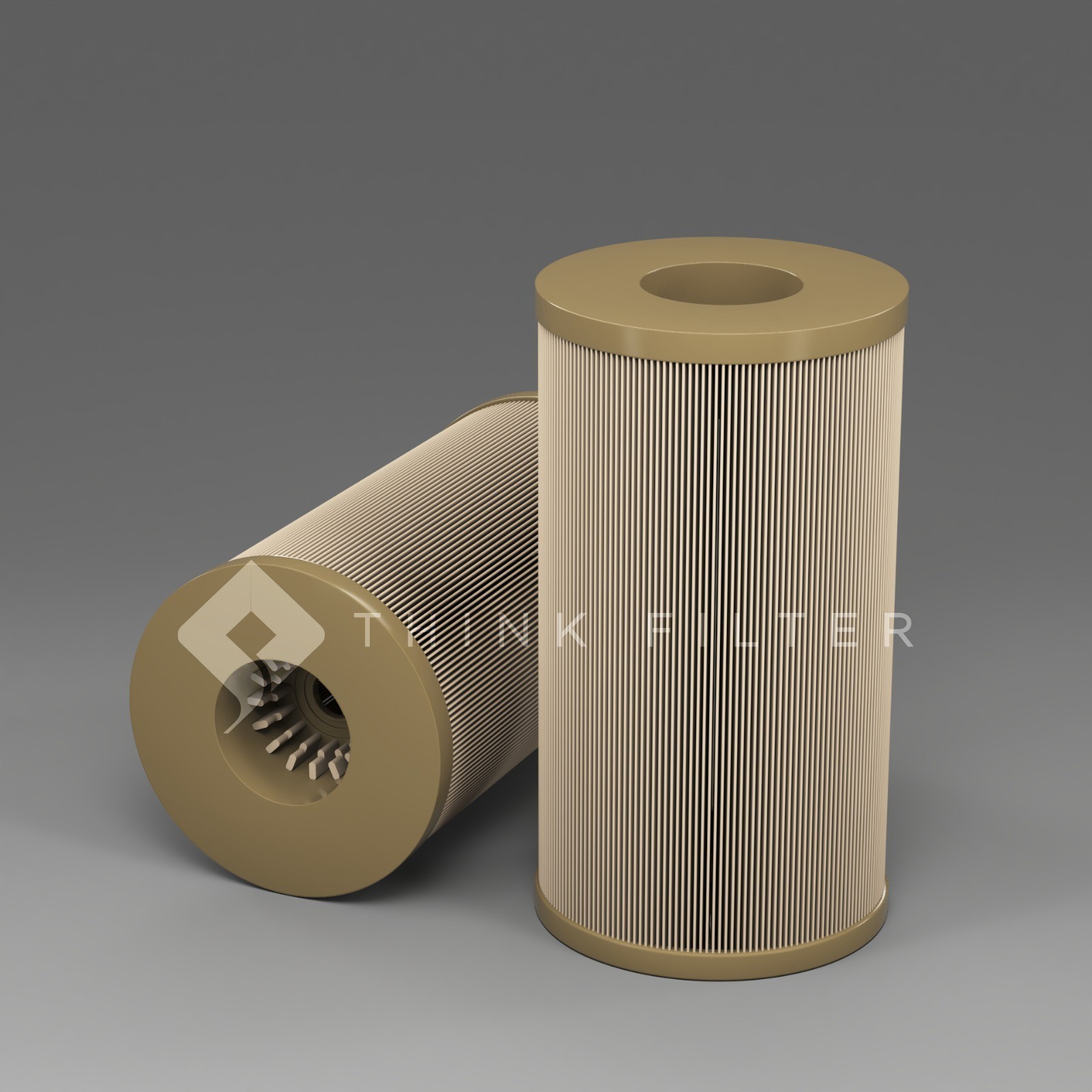
- Cartridge (bowl-and-lid) separators. Racor Turbine 500, 700, 900, and 1000 series. Element sits inside a clear or metal bowl with a drain valve at the bottom. Bowl lets you see contamination. Best for standby gensets 300 kVA and up, and any marine application where visibility matters.
- Dual-stage assemblies. Two housings in series, a 30-micron primary catches water and coarse debris, a 2-micron secondary catches fine particulates. Standard on 500 kVA+ prime-power sets and on any critical-load application (hospitals, tier-III data centres, telecom).
Micron selection matters. Cummins service literature specifies "10 μm nominal, 4 μm absolute for fuel entering the injection pump on QSK-series gensets" (Cummins Owners Manual guidance for QSK Series). Running a 30-micron primary alone on a Tier-4 genset will let particulates through that shorten injector life materially.
How often should you service a fuel water separator in the UAE climate?
Baseline schedule for standby and prime-power gensets in the UAE:
- Drain the bowl weekly. Ten seconds, no tools. Water settled overnight goes out the drain valve. This is the single highest-value habit a maintenance tech can build.
- Replace element every 500 operating hours or every 6 months, whichever comes first. Standby units almost always hit the 6-month clock before the hour meter.
- Inspect after any fuel delivery. New load into the tank can stir up existing water and sludge. Drain the separator bowl 24 hours after every top-up.
- Cut the interval in half during May–September. Summer humidity and 45°C day/25°C night temperature swings drive condensation. Change at 250 hours or every 3 months on coastal sites in Jebel Ali, Fujairah, and Dubai Maritime City.
- Pull and inspect after any water-in-fuel alarm. Even if the alarm cleared. Water sensors trigger for a reason.
If you're running a diesel genset in a hospital or telecom application, our diesel generator filter maintenance guide for UAE summer conditions has the fuller service matrix.
What are the warning signs of water contamination in your fuel?
Five signs that mean stop and check now:
- Water-in-fuel (WIF) sensor alarm on the dash or genset control panel. Never ignore. Drain the bowl immediately.
- Cloudy or milky fuel visible in the separator bowl. Clear diesel with a haze is water emulsion. Dark sludge is microbial growth.
- Genset stumbles under load, especially during start. Water hitting the injectors causes uneven combustion and load misses.
- White or grey smoke from the exhaust during warm-up. Water in the combustion chamber creates steam. Not the same as blue oil smoke or black soot.
- Increased fuel filter change frequency. Primary filter clogging every 100 hours instead of 500 usually means the separator upstream is overwhelmed or the tank is contaminated.
Which fuel water separators fit Cummins, Caterpillar, and Perkins gensets?
Common cross-references we ship out of Aweer:
| Genset engine | Recommended primary | Cross-reference | Micron |
|---|---|---|---|
| Cummins QSK50 (1,500–2,000 kVA) | Fleetguard FS19732 | Cummins 4076845 | 4 μm |
| Cummins QSB6.7 (150–200 kVA) | Fleetguard FS1000 | Cummins 3959612 | 10 μm |
| Caterpillar C18 (500–700 kVA) | Racor 900FG | CAT 326-1642 | 10 μm |
| Perkins 4008TAG (900–1,500 kVA) | Racor 1000FH | Perkins 26560163 | 2 μm |
| MTU Series 4000 (2,000+ kVA) | Racor 75/1000FGX | MTU X56421 | 2 μm |
Every part above we cross-reference from the OEM catalog and hold in authorized inventory. If you're evaluating brand choices for the fleet or genset yard, our Racor filter range in the UAE covers the Parker Hannifin marine and industrial lineup end-to-end.
FAQ
What is the difference between a fuel filter and a fuel water separator?
A fuel filter removes solid particulates. A fuel water separator removes water plus particulates. You need both. The separator goes upstream of the fine fuel filter, protecting it from water and coarse debris, so the fine filter can catch the sub-10-micron particles that actually hurt the injectors.
Can I run a diesel genset without a fuel water separator?
Technically yes, disastrously in practice. Most gensets ship with a separator from the factory for a reason. Removing it or letting it fail is one of the fastest ways to destroy a set of common-rail injectors in the UAE humidity band.
How much water can a fuel water separator hold?
Bowl capacities range from about 150 ml on small spin-ons to 500+ ml on Racor 1000 series. Never let the bowl reach half full, drain before then. Water that overflows past the coalescing media goes straight to your injectors.
Do I need a 2-micron or a 10-micron separator?
Match it to the engine's injection system. Common-rail Tier-4 engines usually specify 2–4 micron final filtration. Older mechanical injection engines can run 10–30 micron. Follow the OEM manual, running finer than spec doesn't help and can starve the pump.
How do I know if the separator element is expired?
Two ways. First, hour meter or calendar, whichever hits first. Second, pressure differential. Many industrial separators have a Delta-P gauge; when it enters the yellow band, the element is loaded. Replace it before the red band or you'll cavitate the pump.
Can I clean and reuse a fuel water separator element?
No. The media loses its hydrophobic coating and dimensional stability once it's loaded. Cleaning risks pushing contaminants through in service. Elements are consumables, this is not the place to save money.
Where can I buy Racor and Fleetguard fuel water separators same-day in the UAE?
From an authorized stockiest with genuine inventory. We hold Racor and Fleetguard FS-series in our Aweer warehouse and dispatch same-day across Dubai, Abu Dhabi, Sharjah, Jebel Ali, and Fujairah. Every part is cross-referenced from the OEM catalog.
Meera Ajesh is the Chief Operating Officer at ThinkFilter, the authorized stockist and distributor of OEM and aftermarket filtration in the UAE.







 Facebook
 Instagram
 LinkedIn