Choosing the right oil filter is not just compatibility; it directly impacts engine life, operational efficiency, and long-term costs. In the UAE, where environmental conditions like extreme heat and dust are constant challenges, selecting the right supplier becomes even more critical.
Whether you're managing a fleet of vehicles or running an industrial facility, understanding the difference between industrial and automotive oil filters helps you make informed decisions. This guide explains how UAE buyers evaluate oil filter suppliers in UAE and what factors matter most in each segment.
Key Differences Between Industrial & Automotive Oil Filters
While both types serve the same fundamental purpose is to remove contaminants from oil, their design, usage, and performance expectations differ significantly.
Design & Filtration Capacity
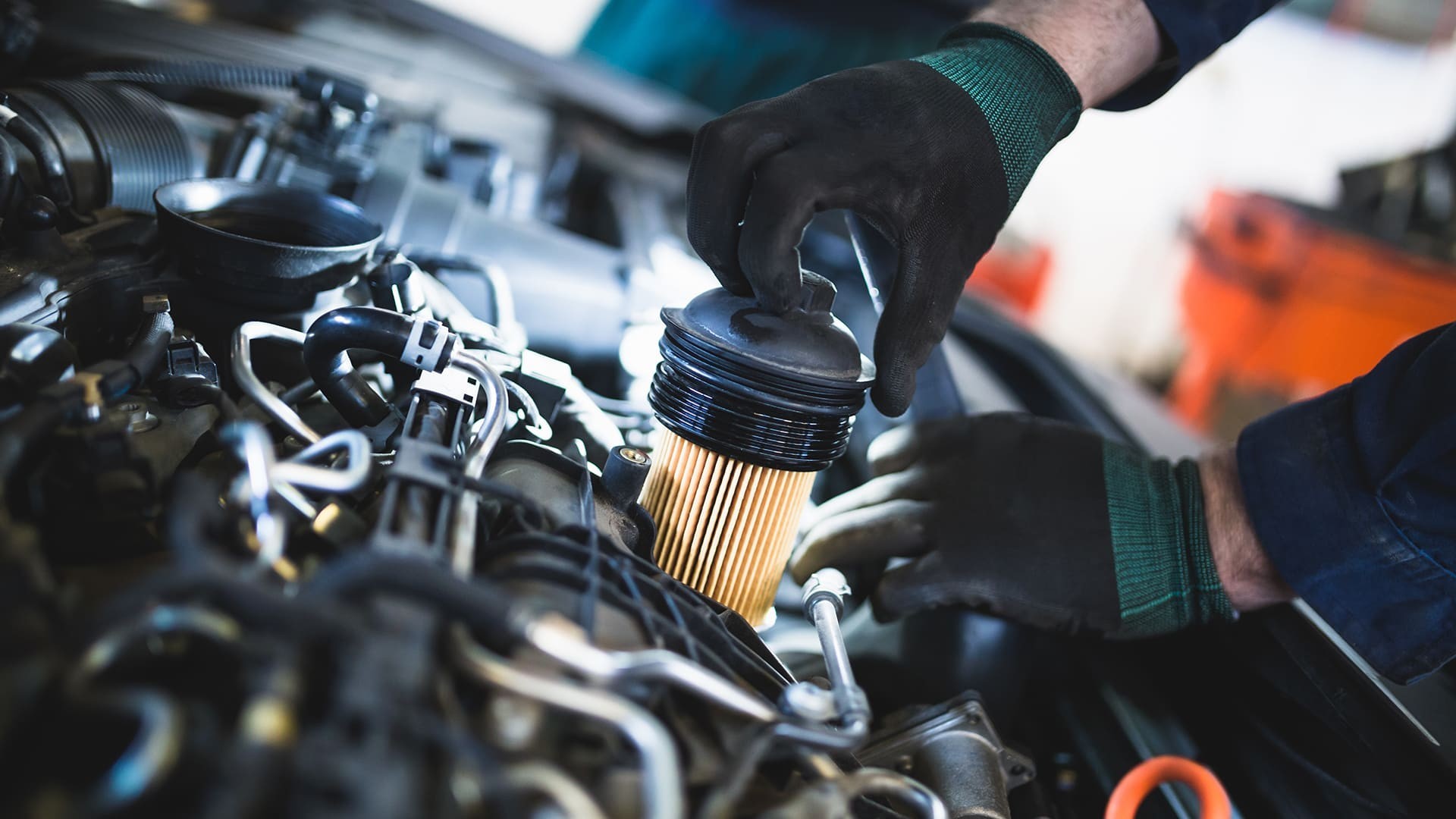
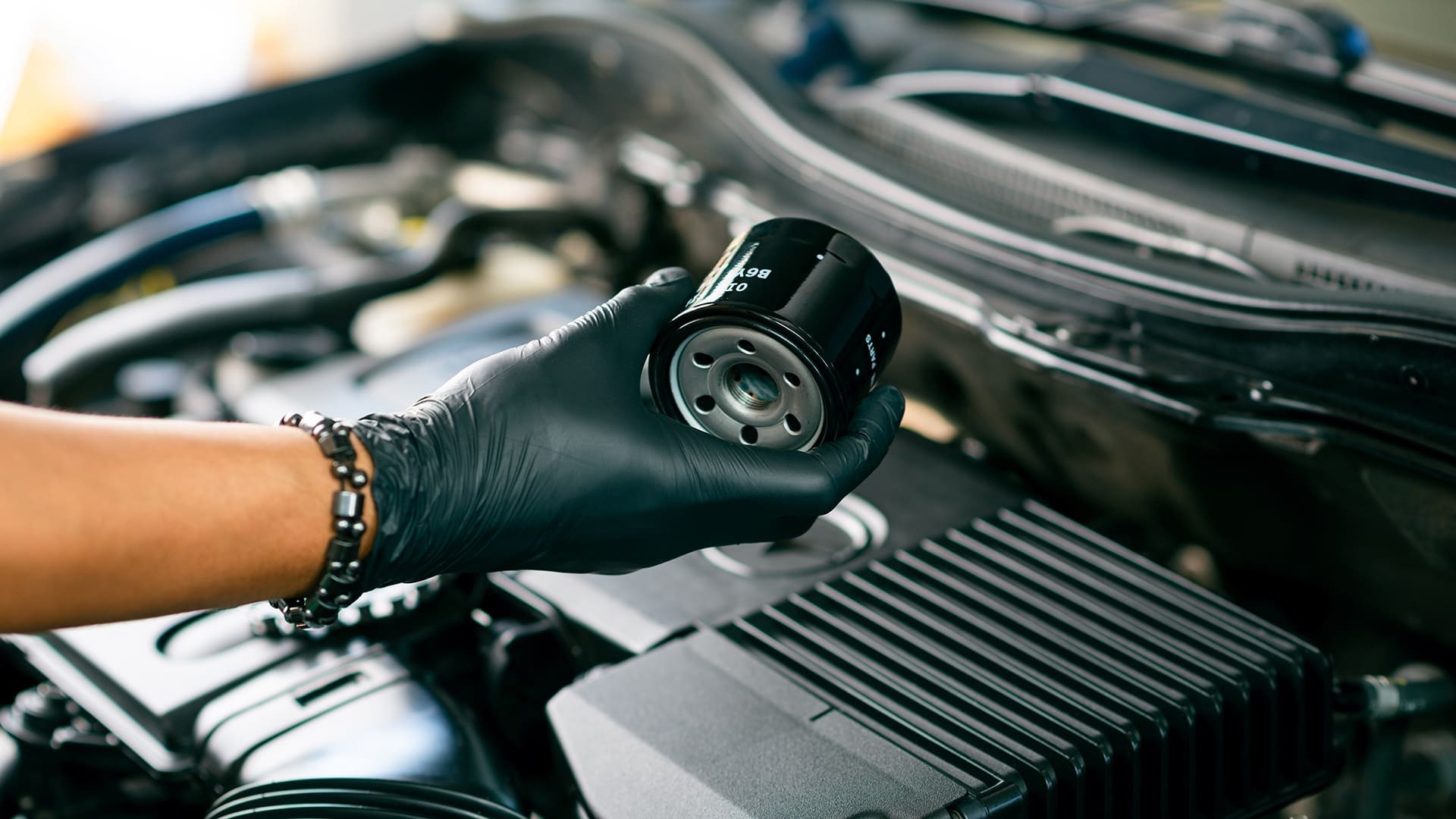
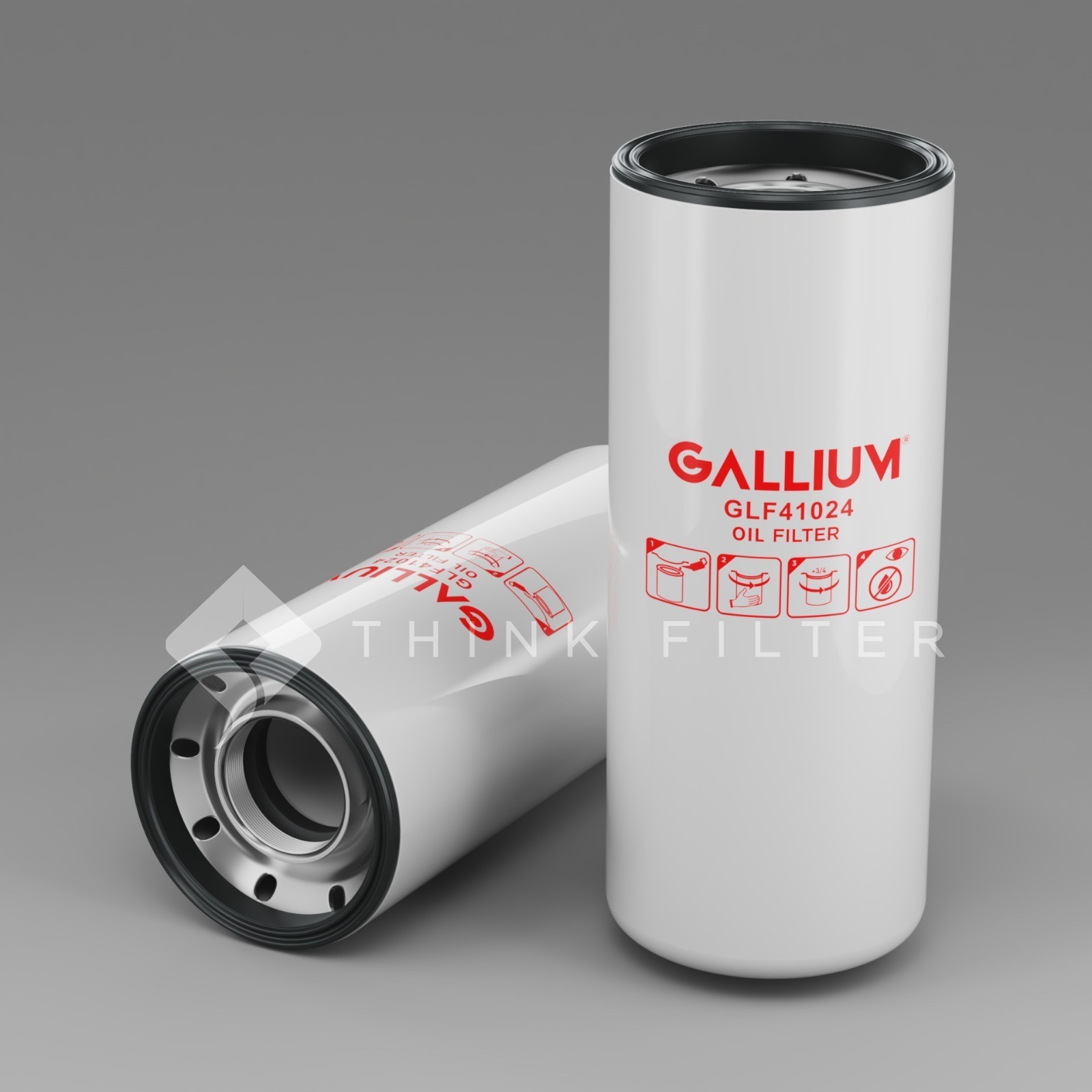
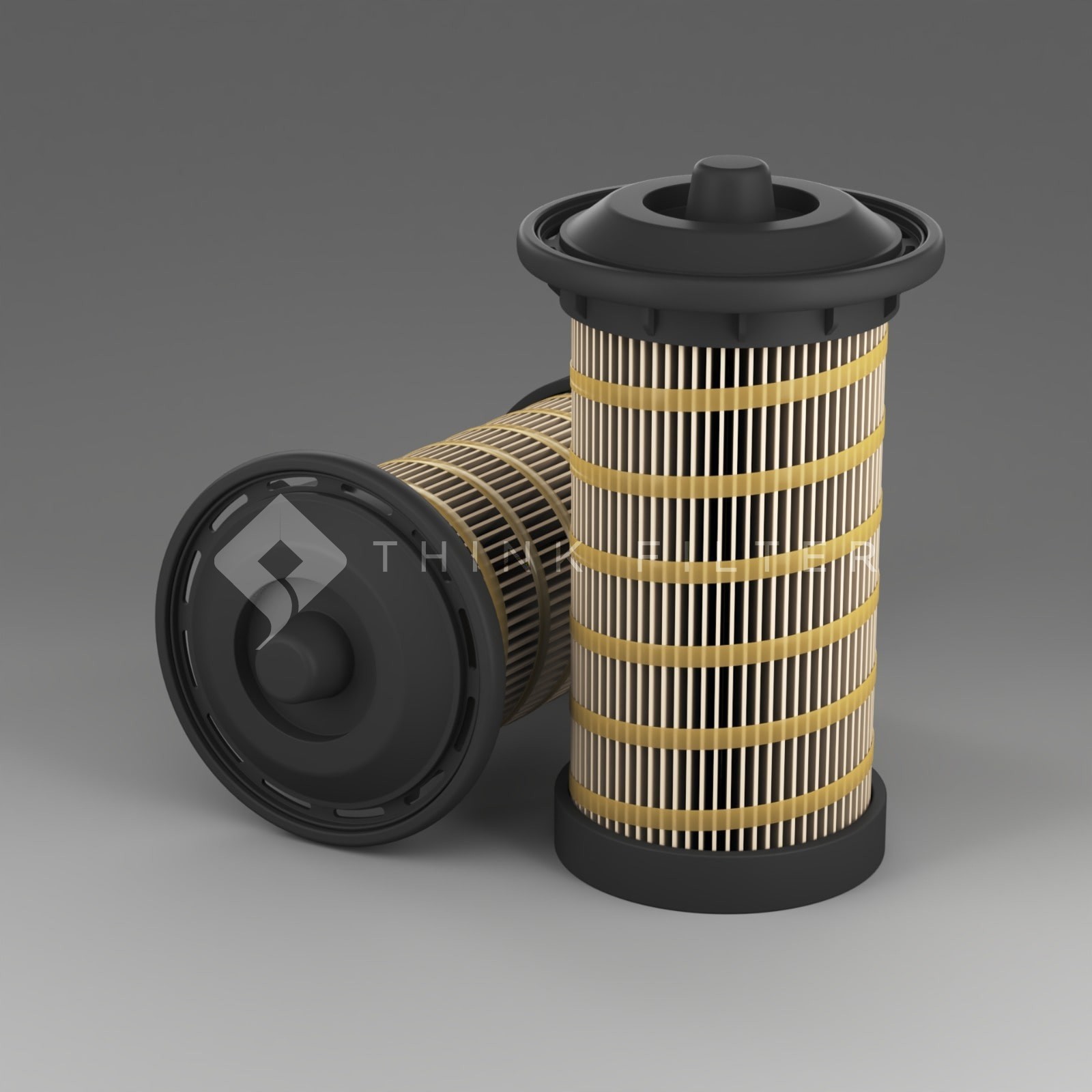
Automotive oil filters are typically compact and designed for standardised vehicle engines. They are engineered for efficiency within a limited space and are optimised for passenger cars, SUVs, and light commercial vehicles.
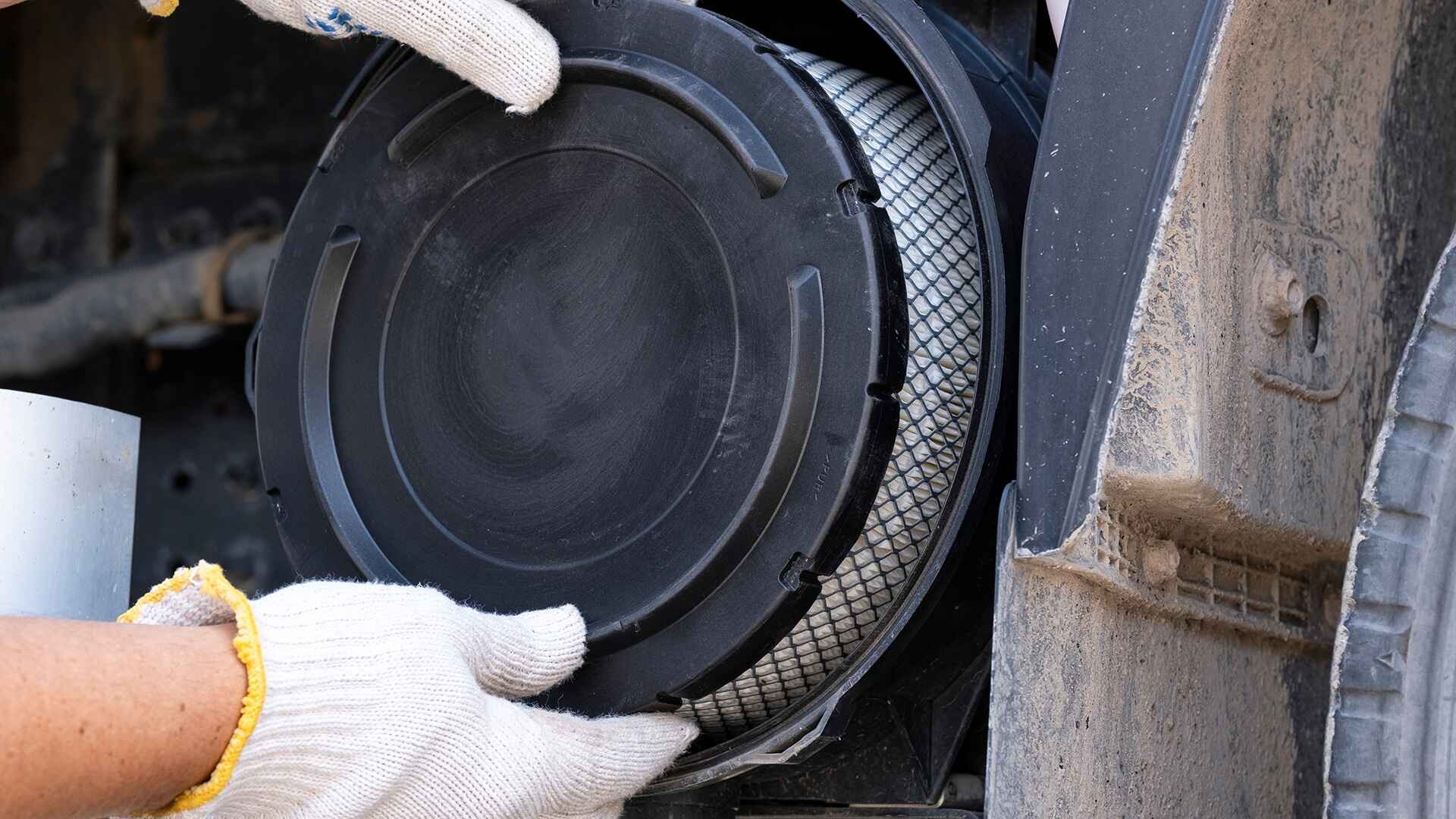
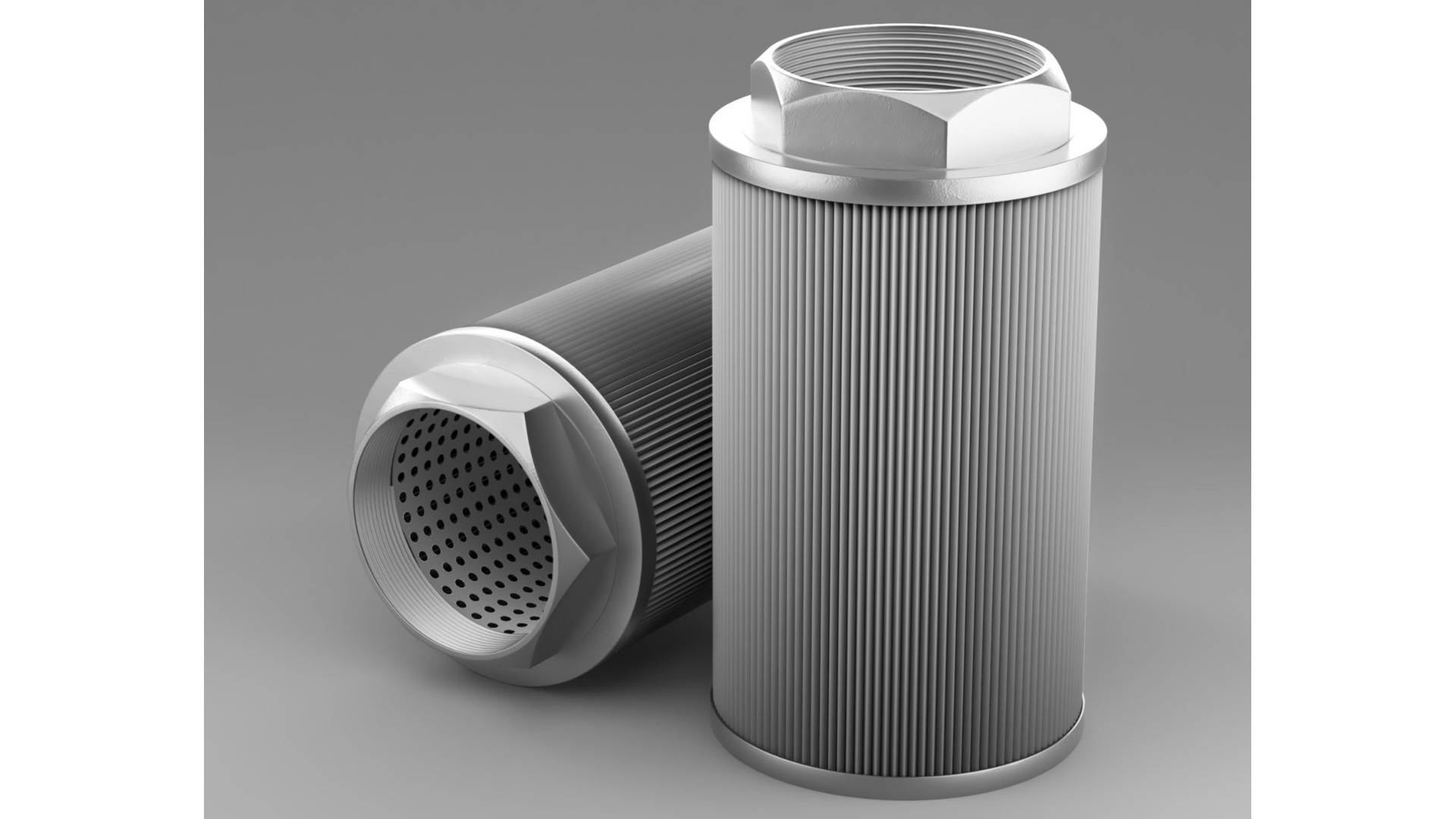
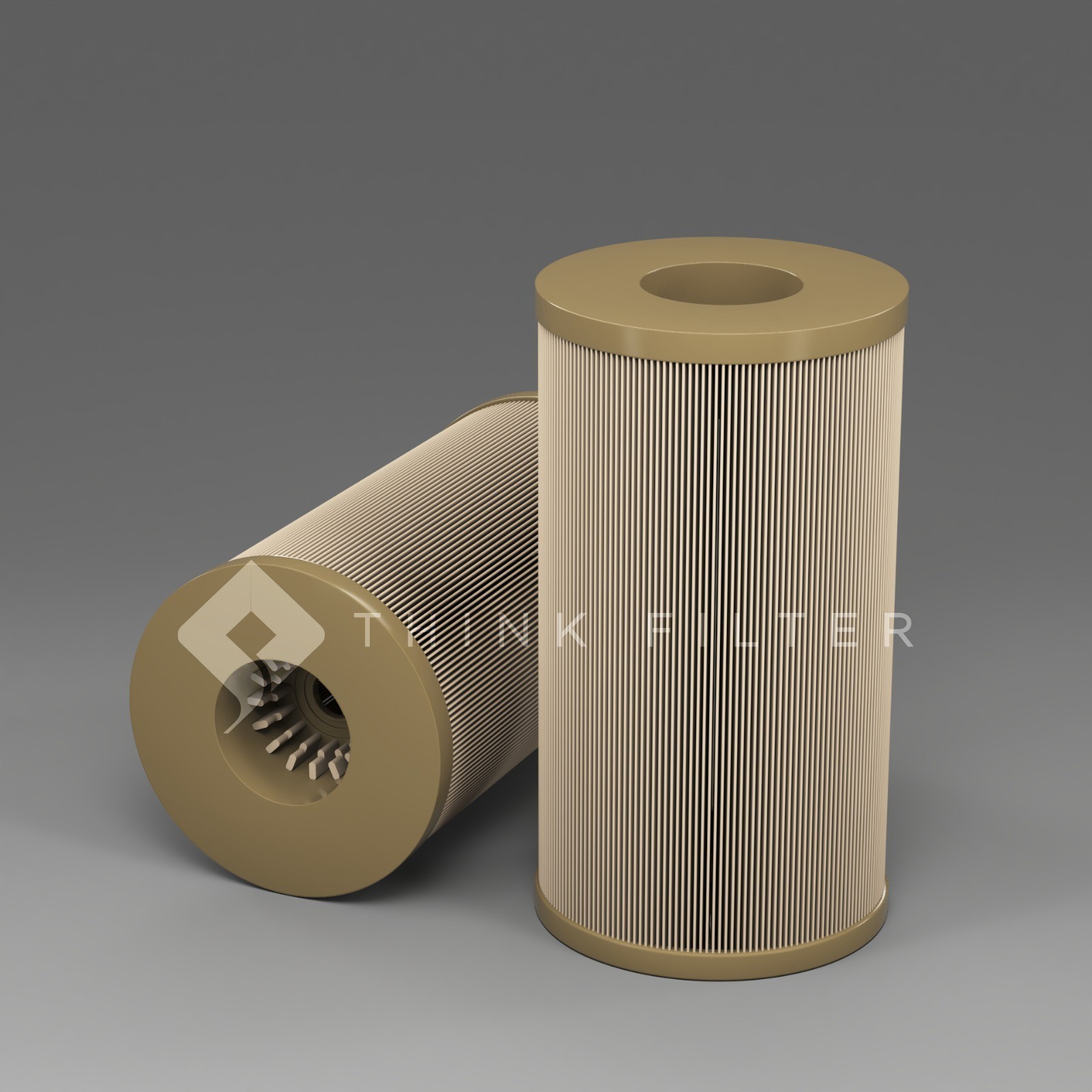
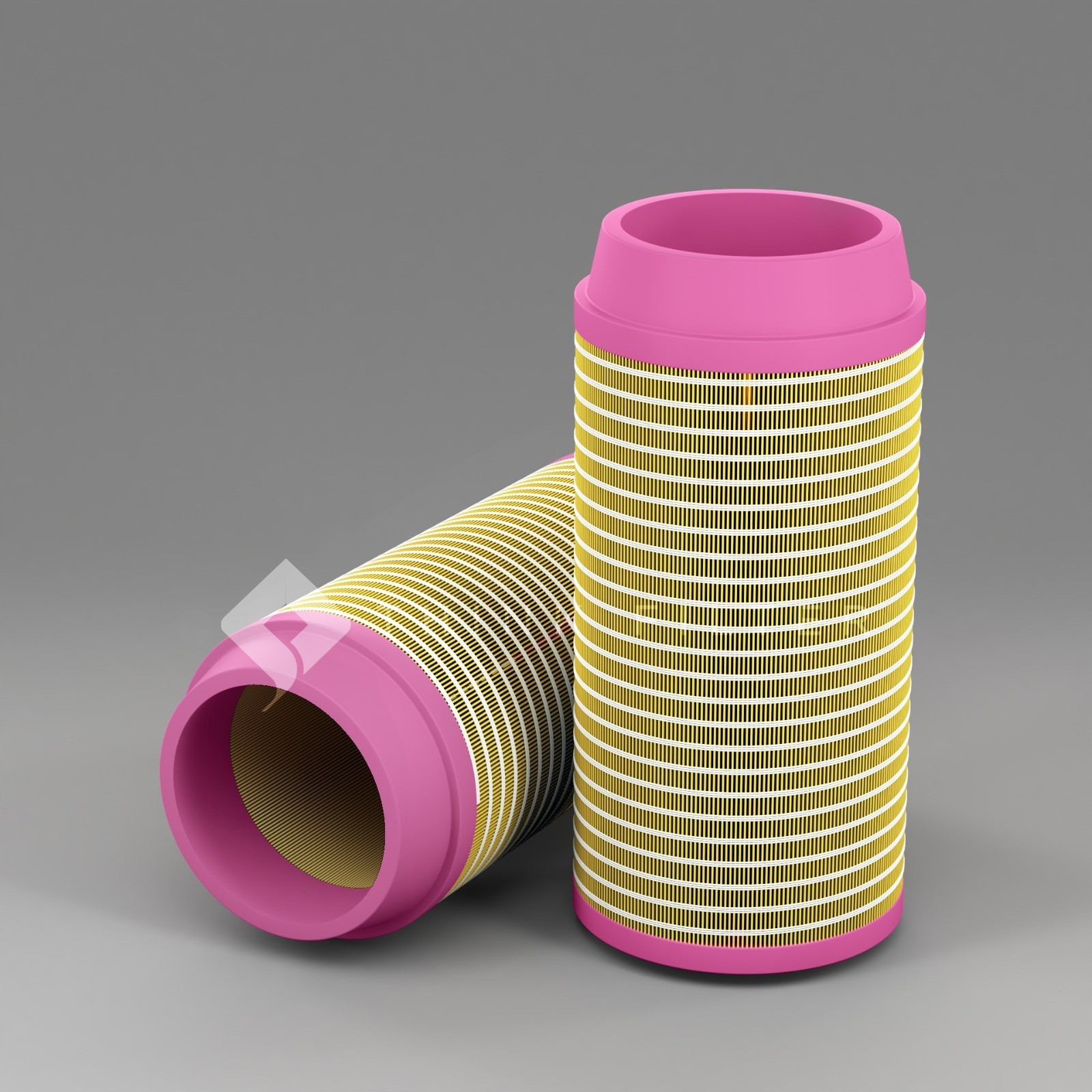
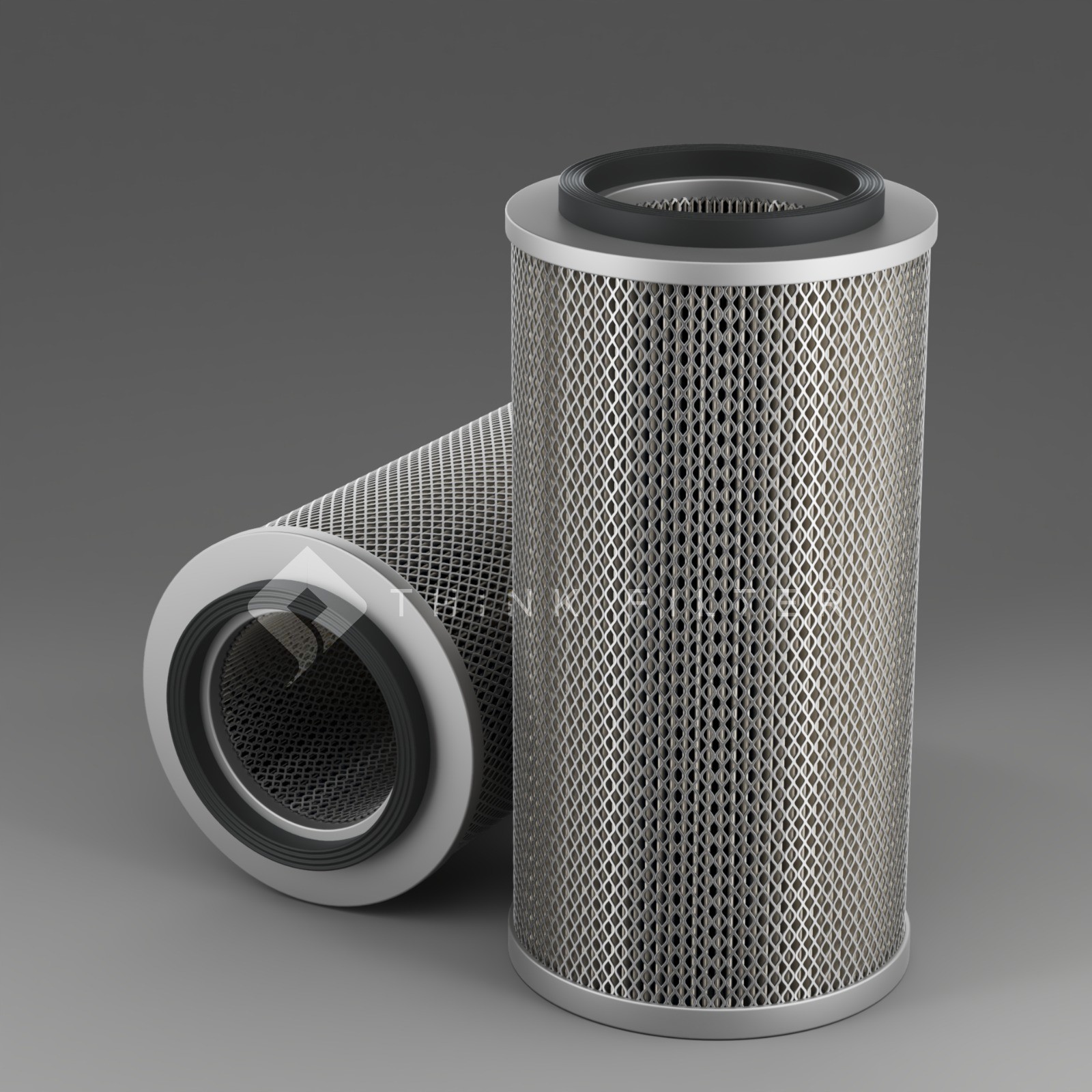
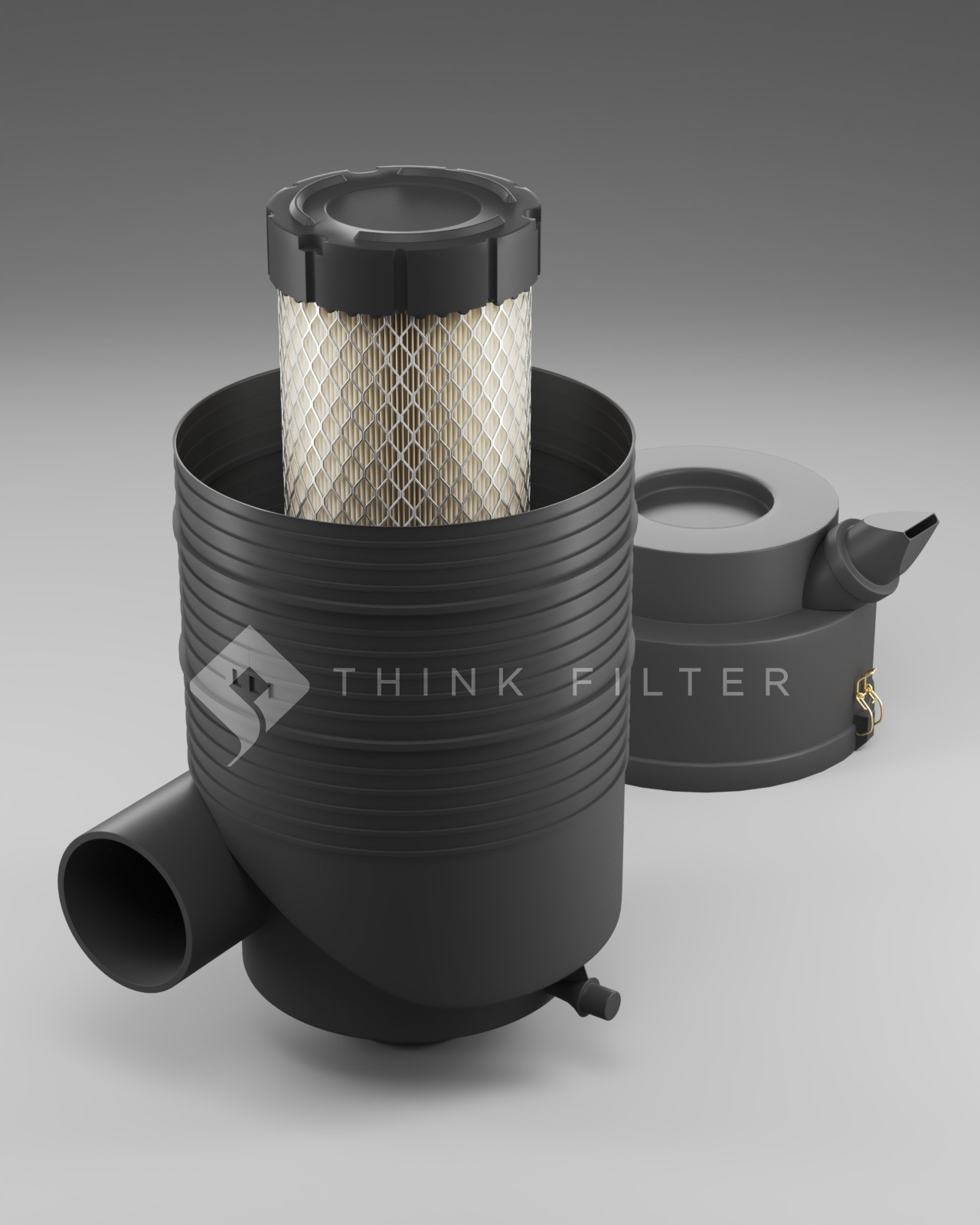
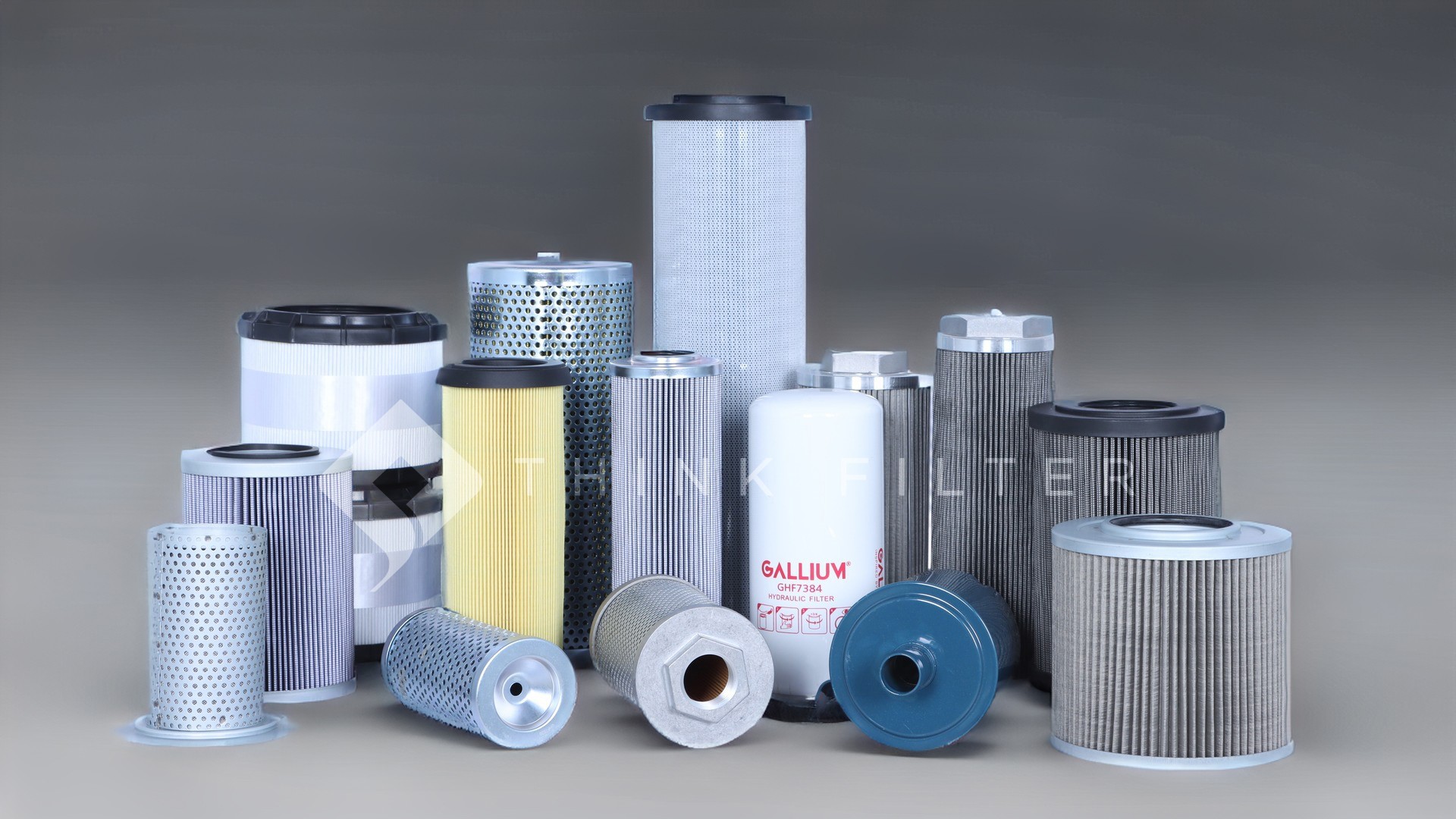
Industrial oil filters, on the other hand, are built for scale and durability. These filters are often larger, with higher dirt-holding capacity and multi-stage filtration systems. They are used in heavy machinery, manufacturing equipment, and power systems where oil contamination can lead to costly downtime.
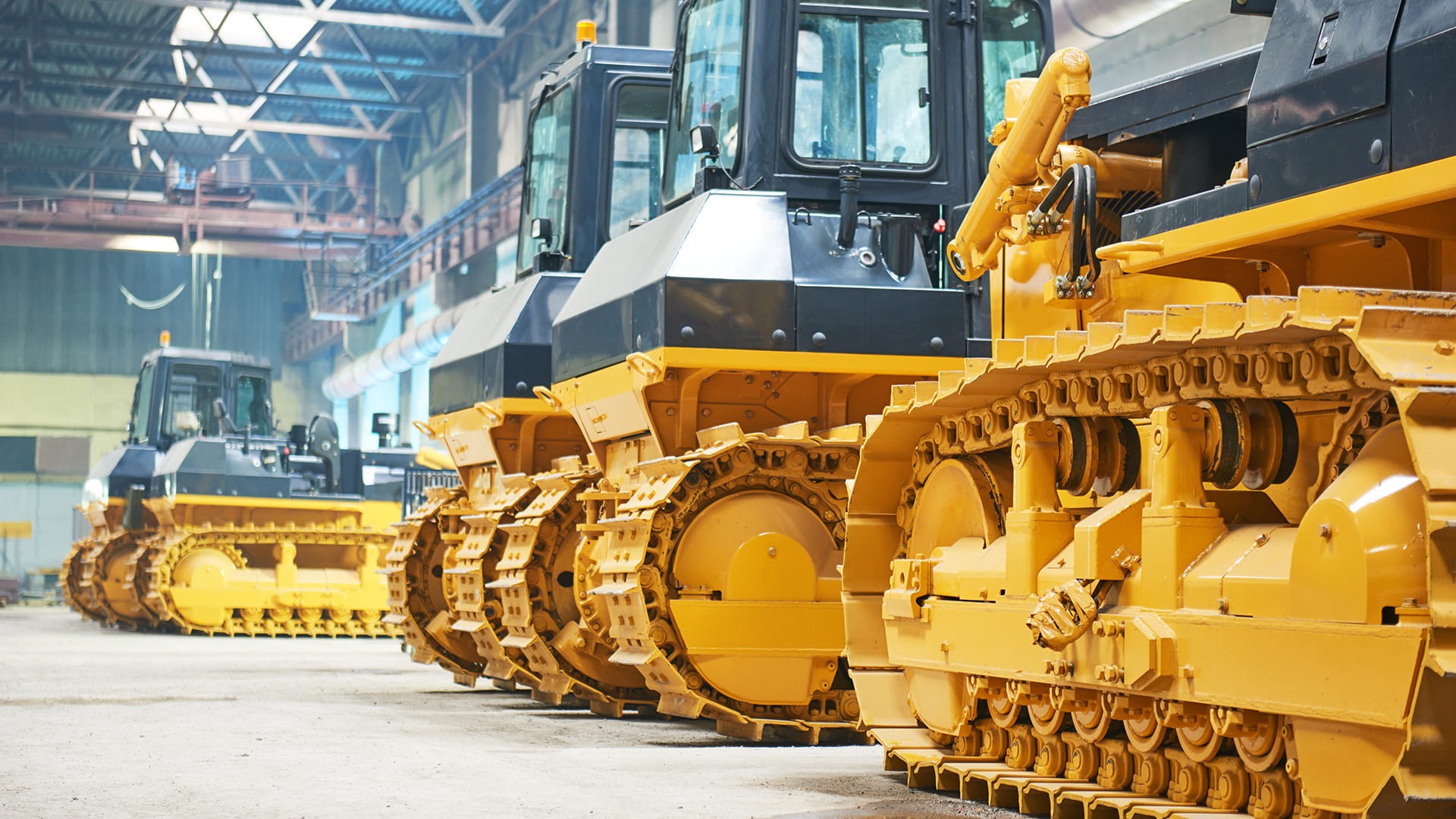
In the UAE, industries such as construction, oil & gas, and manufacturing demand filters that can withstand continuous operation in harsh conditions. This is why buyers often prioritise suppliers who offer high-capacity filtration solutions tailored for industrial applications.
Service Intervals
Service intervals vary widely between the two categories.
Automotive oil filters are typically replaced during routine servicing—usually every 5,000 to 10,000 kilometres depending on the vehicle and oil type. This makes availability and quick turnaround a key factor when choosing a supplier.
Industrial filters operate longer but more complex service cycles. Instead of simple replacement, they may require monitoring, cleaning, or staged replacement. Downtime is expensive in industrial settings, so reliability and consistent performance are critical.
UAE buyers in industrial sectors often look for suppliers who provide not just products, but also technical guidance on maintenance schedules and performance optimisation.
Supplier Selection Criteria for Each Segment
Choosing the right supplier goes beyond pricing. Buyers in the UAE evaluate suppliers based on their ability to meet operational needs, ensure consistent quality, and provide long-term support.
Workshop & Fleet Requirements
For automotive workshops and fleet managers, the focus is on:
- Availability of stock across multiple vehicle brands
- Fast delivery timelines, especially in cities like Dubai and Abu Dhabi
- Competitive pricing for bulk purchases
- Compatibility assurance to avoid installation issues
Fleet operators prefer suppliers who can handle volume orders without delays. A single missed delivery can disrupt operations across multiple vehicles.
Another important factor is trust. Workshops often stick to suppliers who consistently deliver genuine, high-performance filters. In a competitive market like the UAE, reliability becomes a key differentiator.
Factory & Industrial Plant Needs
Industrial buyers have a different checklist:
- Custom filtration solutions for specialised machinery
- High durability filters that can handle extreme heat and dust
- Technical support and consultation
- Long-term supply agreements
Factories and plants cannot afford unexpected failures. Even a minor filtration issue can halt production and lead to significant financial losses.
This is why industrial buyers often partner with suppliers who understand their equipment and operating conditions. Suppliers that offer tailored solutions and on-ground support gain a clear advantage in this segment.
Common Oil Filter Mistakes UAE Buyers Make
Despite the availability of multiple suppliers, many buyers still make avoidable mistakes that impact performance and cost.
1. Choosing based on price alone
Low-cost filters may seem attractive initially, but they often compromise filtration efficiency and lifespan. This leads to frequent replacements and potential equipment damage.
2. Ignoring UAE environmental conditions
Dust and high temperatures in the UAE demand filters with higher efficiency and durability. Standard filters designed for milder climates may not be performed effectively.
3. Overlooking supplier credibility
Not all suppliers maintain consistent quality. Buyers who fail to verify certifications, product standards, and client history risk dealing with unreliable vendors.
4. Using automotive filters for industrial applications (and vice versa)
Each filter is designed for specific operating conditions. Using the wrong type can reduce performance and increase wear and tear.
5. Lack of long-term planning
Many buyers focus on immediate needs rather than building a relationship with a reliable supplier. This leads to inconsistent supply and fluctuating quality.
Avoiding these mistakes can significantly improve operational efficiency and reduce long-term costs.
Choosing a Supplier That Serves Both Segments
For businesses that operate across automotive and industrial sectors, working with a single supplier can streamline procurement and ensure consistency.
A supplier that caters to both segments offers:
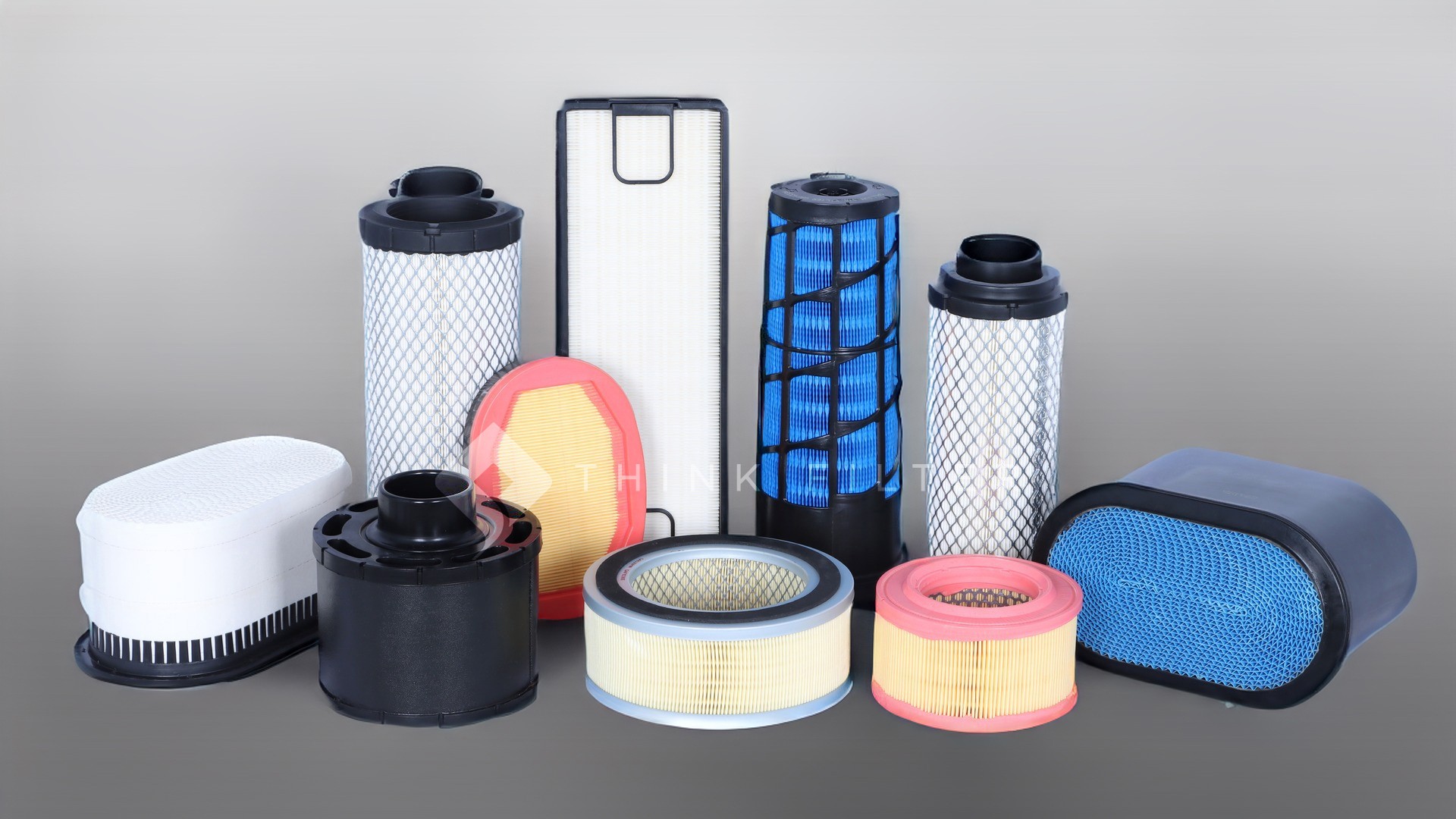
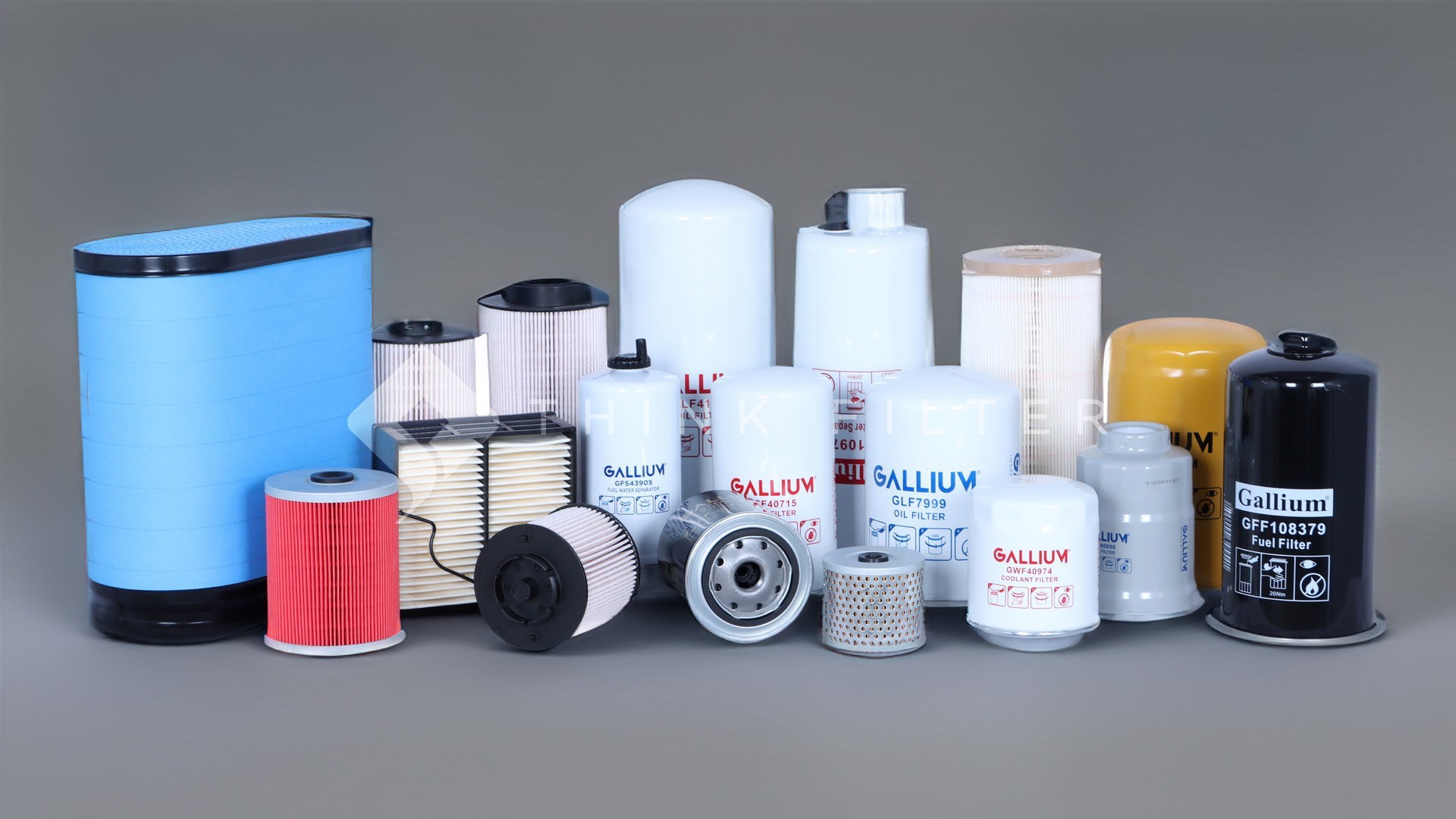
- Wider product range covering multiple applications
- Standardised quality across categories
- Better pricing through consolidated orders
- Simplified logistics and communication
In the UAE, companies increasingly prefer suppliers who can support diverse requirements under one roof. This reduces dependency on multiple vendors and improves supply chain efficiency.
When evaluating how to find the right supplier, consider the following:
- Do they offer both automotive and industrial filtration solutions?
- Can they provide technical support for different applications?
- Do they have a proven track record in the UAE market?
- Are their products tested for local environmental conditions?
Suppliers like ThinkFilter position themselves as comprehensive filtration partners by addressing both segments with a focus on quality, availability, and performance.
Conclusion
Selecting the right oil filter is not just a technical decision—it’s a strategic one. In the UAE, where operational conditions are demanding, the choice of supplier plays a crucial role in ensuring performance and reliability.
Automotive buyers prioritise availability and cost-efficiency, while industrial buyers focus on durability and technical support. Understanding these differences helps businesses make smarter procurement decisions.
Ultimately, the best approach is to partner with a supplier who understands both segments and can deliver consistent value over time. This not only simplifies operations but also ensures long-term efficiency and cost savings.
FAQs
1. How do I find reliable oil filter suppliers in UAE?
Look for suppliers with proven experience in the UAE market, strong client reviews, and a wide product range suitable for local conditions like heat and dust.
2. Which cities in UAE have the best oil filter suppliers?
Dubai, Abu Dhabi, and Sharjah have the highest concentration of established oil filter suppliers due to their industrial and automotive hubs.
3. Are industrial oil filters different from automotive filters in UAE conditions?
Yes, industrial filters are designed for heavy-duty use and continuous operation, while automotive filters are built for regular vehicle maintenance cycles.
4. What should UAE buyers check before choosing a supplier?
Check product quality, certifications, delivery capability, technical support, and experience in handling UAE-specific environmental challenges.
5. Can one supplier handle both industrial and automotive oil filter needs?
Yes, some suppliers in the UAE offer solutions for both segments, which helps streamline procurement and maintain consistent quality.







 Facebook
 Instagram
 LinkedIn