Answer in one paragraph, then the detail.
Marine fuel filtration best practice at UAE ports starts with a three-stage architecture: primary Racor-style water separators at the day tank, coalescing stages at the fuel oil booster module, and fine filtration downstream of the FO purifiers. Layered onto that is the ISO 8217 compliance discipline, bunker sampling every delivery, water content check within tolerance (0.5% v/v for residual grades), and cat fines control below the 15 mg/kg limit that OEM engine builders publish. Skip any of those and you're looking at cylinder liner wear, fuel injection equipment failure, or worse. Fujairah bunker quality is broadly good; Jebel Ali is highly consistent; but individual bunker deliveries still vary enough that trust-but-verify is the working rule.
Below is how to set up marine fuel filtration for the ships calling UAE ports, what components matter, and the specific compliance and OEM guidance that shapes filter selection. Complementary read: our fuel water separator guide for diesel generators, and for a marine cousin topic, our desalination plant water filtration guide. For the full marine catalog, explore our marine filtration solutions.
Why does marine fuel filtration matter at UAE ports?
Bunker fuel is not clean. Even good bunker fuel arrives on-board with water, particulates, catalytic fines (cat fines, spent FCC catalyst from refineries), and biological contaminants. UAE ports supply high-volume bunkers, Fujairah alone is one of the world's top three bunker markets by volume, and while quality is regulated and generally good, the ship is still the last line of defence.
Consequences of inadequate fuel filtration on marine engines run from bad to catastrophic:
- Fuel injection equipment wear. Common-rail injectors and traditional plunger-and-barrel pumps both fail rapidly against water, particulates, and cat fines.
- Cylinder liner scoring and piston ring failure. Cat fines that reach the combustion chamber act like abrasive powder, a well-documented cause of accelerated liner wear on 2-stroke slow-speed engines.
- Fuel oil purifier tripping. Excessive water content in bunker delivery overwhelms centrifugal purifiers.
- Class society deficiency notes and PSC (Port State Control) findings. Fuel management records, including filtration and bunker sampling, are audited.
Wärtsilä's Service Bulletin RT-165 states that "cat fine content above 15 mg/kg at the engine inlet significantly accelerates liner wear on 2-stroke marine engines; effective filtration and purification must reduce delivered cat fines to below this threshold" (Wärtsilä Marine Engine Operating Guidelines). That's the number to design against.
What are the standard fuel filtration stages for ships calling UAE ports?
Standard commercial vessel architecture, with UAE-relevant refinements:
- Bunker filter (bulk). Basket or strainer at the bunkering manifold. Catches gross debris from the barge hose.
- Settling tank. 24-hour minimum residence. Water and heavy contaminants settle out. Drain daily.
- Service tank feed filter (basket or duplex strainer). ~150-micron mesh, cleanable.
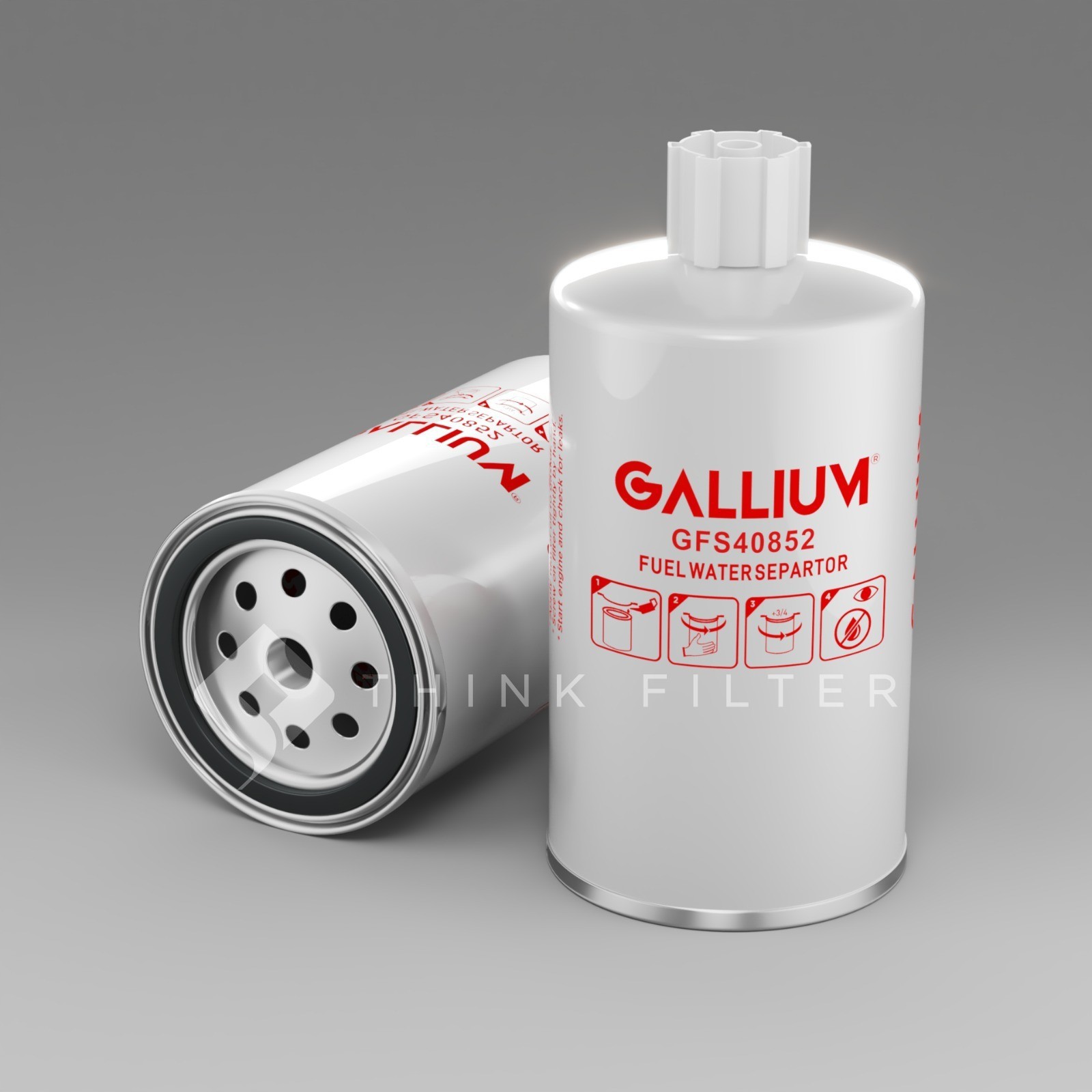
- Primary fuel water separator (Racor or Bollfilter marine). 10–30 micron, coalescing plus hydrophobic barrier. Removes free and emulsified water.
- Fuel oil booster pump strainer. Duplex arrangement for hot-swap during transit.
- Fuel oil purifier / centrifugal separator (Alfa Laval, Westfalia). The single most important stage for cat fine removal on residual fuel operation.
- Fine fuel filter downstream of the purifier. 5–10 micron absolute, pre-engine inlet.
- Engine-mounted fine filter. OEM-supplied final barrier immediately upstream of injection equipment.
Ships running on marine diesel oil (MDO) or marine gas oil (MGO) simplify this, no purifier stage strictly required, though many operators keep one for water control. Ships on residual fuel oil (RFO / IFO 380, VLSFO) run the full stack.
For UAE port bunkering, Fujairah's bunker quality management (through Fujairah Oil Terminal / FOTL infrastructure) is generally strong, but chief engineers still confirm every delivery via commercial bunker sample analysis. Trust-but-verify.
What does ISO 8217 compliance mean for filter selection?
ISO 8217:2017 (with 2024 revision in circulation) is the marine fuel specification standard. It defines limits for water content, cat fines (aluminium + silicon), sulphur (now largely superseded by MARPOL Annex VI limits), and other parameters.
Key ISO 8217 limits that shape filtration:
| Parameter | Limit (typical residual grade RMG 380) | Filtration implication |
|---|---|---|
| Water content | 0.5% v/v max | Racor/Bollfilter primary + purifier |
| Total sediment (accelerated) | 0.10% m/m max | Fine filtration downstream of purifier |
| Al + Si (cat fines) | 60 mg/kg max at bunker | Purifier operation critical; filtration final barrier |
| Density at 15°C | 1010 kg/m³ max | Purifier setting (gravity disc / eccentric ring) |
Purifier performance is where cat fines are actually addressed, a well-set-up Alfa Laval S-separator or Westfalia OSE handles cat fine reduction down to the ≤ 15 mg/kg engine-inlet target Wärtsilä and MAN Energy Solutions require. Filtration is the guard, not the primary control. That said, when a purifier bypasses or trips, the downstream fine filter is what protects the engine, so filter media grade and change frequency matter.
DNV and Lloyd's Register both publish audit expectations that align with ISO 8217 compliance: bunker sample retention (3 samples per delivery), fuel management log, and demonstrable filtration/purification effectiveness. Ships calling UAE ports face routine Port State Control inspections at Jebel Ali and Khor Fakkan, and fuel management records are commonly reviewed.
How do you choose primary fuel water separators for UAE marine applications?
Racor Turbine series and Bollfilter marine duplex separators are the dominant choices on merchant and offshore vessels calling UAE ports. Sizing depends on engine or booster module flow rate, but general working guidance:
- Small workboats, tugs, patrol craft (up to 500 kW): Racor 900 or 1000 series with 10-micron primary. Duplex arrangement optional but recommended for continuous ops.
- Medium OSV and coastal vessels (500–3,000 kW): Racor 75/1000FGX or Bollfilter 6.60 series. Duplex mandatory for redundancy.
- Large main engines (deep-sea, offshore support): Bollfilter 6.61 automatic backflushing filters or Racor Marine 4120 duplex. Automatic backflush handles high flow without manual intervention.
- Auxiliary and emergency generators: Racor 500 or 600 series duplex, matched to genset flow.
For vessels operating in the Gulf year-round, water content control matters more than in temperate climates, higher ambient humidity, longer tank storage, and warmer fuel all favour water accumulation. A duplex primary with online change-over capability is worth the incremental cost.
"On our offshore support fleet operating out of Fujairah anchorage we standardised on Racor Marine 4120 duplex separators with 10-micron primaries and cut fuel-related unplanned events by roughly 40% year-on-year," said a chief engineer at a UAE-based OSV operator (industry interview, 2025). That kind of before/after is common when duplex separation replaces single-vessel setups.
What are the bunkering discipline steps at UAE ports that filtration alone cannot replace?
Filters catch what the discipline fails to prevent. Standard bunkering practice at UAE ports:
- Pre-bunker preparation. Sound settling and service tanks. Confirm bunker plan matches BDR (Bunker Delivery Receipt) and MDN quantity.
- Bunker sampling. ISO 8217 commercial sample from the manifold during delivery. Three sealed samples: one to ship, one to bunker supplier, one for retention (usually 3 months).
- Water dip on delivery. Water-finding paste on the sounding tape at the end of delivery. Water in a fresh bunker is a red flag.
- Settling tank residence. Minimum 24 hours before transfer to service tank for residual fuel. Longer for the first delivery from an unfamiliar barge.
- Purifier setup verification. Correct gravity disc, throughput matched to delivery, back pressure and separation temperature per fuel spec.
- Sample analysis. Send commercial sample to accredited lab (typically Veritas Petroleum Services, Intertek, or Bureau Veritas). Retain lab report in fuel log.
- On-board monitoring. Water alarms on day tanks. Delta-P on fuel filters. Purifier operating log.
Filtration is stage 7, it works better when stages 1–6 are done well. Chief engineers running tight fuel management programmes report substantially lower filter consumption and fewer fuel-side engine issues.
What role do coalescing and fine filters play downstream of the purifier?
The purifier removes water and heavier contaminants centrifugally. What passes the purifier goes through fine filtration before it reaches injection equipment.
Downstream filter roles:
- Coalescing stage (if fitted). Second-pass water removal for high-water-content fuels. Common on offshore vessels running from remote bunker sources.
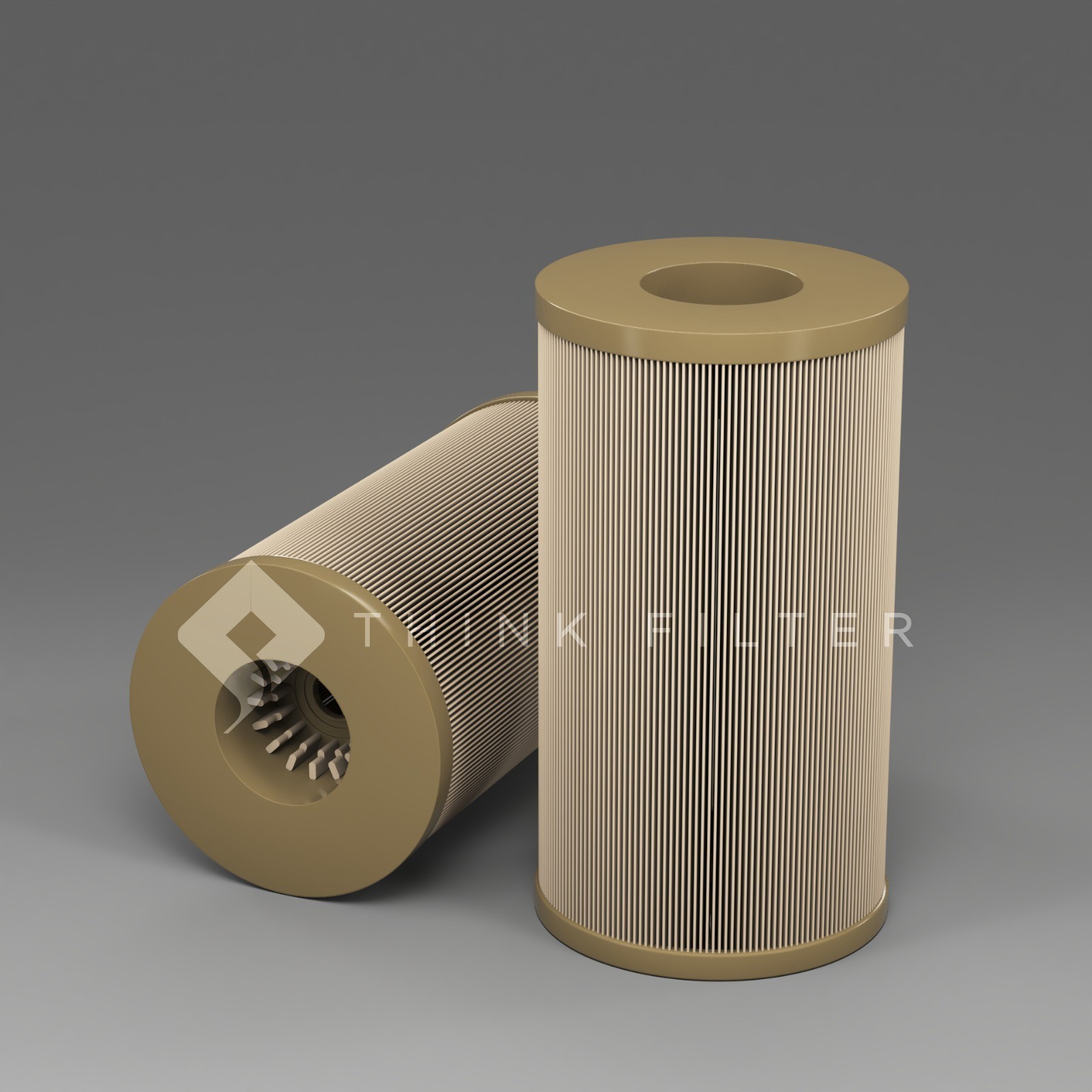
- Fine filter (5–10 μm absolute). Guards the engine's own filter and injection equipment. Racor or Bollfilter cartridge or spin-on formats depending on installation.
- Engine-mounted final filter. OEM-supplied barrier, Fleetguard, Racor, or engine-manufacturer branded. Rarely changed except at OEM interval.
Cat fine breakthrough, where the purifier fails to fully remove cat fines from RFO, is caught (in part) by the fine filter downstream. But fine filters are not primarily cat-fine removal devices, they are the last line. Purifier condition is where the actual battle is won.
For ships transiting UAE ports and looking to standardise inventory across the fleet, our authorized Racor filter range in the UAE covers marine primary separators, coalescing stages, and fine filter cartridges from a single stocked location in Aweer.
FAQ
Is Fujairah bunker quality good enough that I can relax on filtration?
No. Fujairah bunker quality is generally strong and well regulated, but individual deliveries still vary. Every ISO 8217 spec parameter needs verification per bunker via commercial sample analysis. Filtration and purification stay the on-board line of defence regardless of bunker port quality.
What's the minimum settling tank residence time for residual fuel oil?
24 hours is the working baseline for RFO. Longer settling, 48 hours, is better for the first delivery from an unfamiliar bunker supplier or if the tank isn't already dry. Distillate fuels (MDO, MGO) can settle in 4–8 hours.
Are Racor and Bollfilter interchangeable on marine main engine fuel systems?
Functionally similar but not physically interchangeable. Racor Turbine series uses coalescing plus hydrophobic media in a bowl-and-lid housing. Bollfilter marine duplex offers automatic backflush on the higher-end models. Both meet the ISO 8217 water-content control requirement when properly sized and maintained.
How often should marine fuel primary separators be changed?
Element change on differential pressure, typically at 1.0–1.5 bar ΔP, or on calendar backstop of 500–1,000 operating hours, whichever comes first. Vessels operating on poor bunker or with active water alarms change more frequently.
What is a cat fine and why is it dangerous?
Cat fines are spent catalytic cracking catalyst particles (aluminium silicate) that end up in residual fuel from refinery processes. They are extremely abrasive, hardness comparable to garnet. Ingested at engine inlet above 15 mg/kg, they cause rapid cylinder liner wear on 2-stroke slow-speed engines.
Does UAE PSC audit fuel filtration records?
Yes, as part of routine PSC and class inspections at Jebel Ali, Khor Fakkan, and other UAE ports. Bunker sample retention, fuel oil purifier log, filter change records, and ISO 8217 lab reports are all in scope. Keep records at least 3 years for the retention samples.
Where can I stock authorized Racor and Bollfilter marine parts in the UAE?
We hold authorized Racor and Parker marine inventory in our Aweer warehouse and can source Bollfilter parts on short lead times. Same-day dispatch to Jebel Ali Port, Port Rashid, and Dubai Maritime City. Same or next-day to Fujairah, Khor Fakkan, and Kalba.
Meera Ajesh is the Chief Operating Officer at ThinkFilter, the authorized stockist and distributor of OEM and aftermarket filtration in the UAE.






 Facebook
 Instagram
 LinkedIn