Quick answer: A no-name oil, air or fuel filter typically costs 40% to 60% less than the OEM part. That looks like a real saving until you add in the failure math: one high-pressure common-rail injector runs AED 3,500 to AED 9,000 per unit to replace, a turbocharger sits at AED 12,000 to AED 40,000, and a rejected engine warranty claim on a Volvo or Scania tractor can pass AED 80,000. Across UAE fleets we cross-reference at the Aweer counter, the payback on genuine OEM and reputable aftermarket filters (Fleetguard, MANN, Baldwin, Donaldson) usually shows up within the first oil change. The whole filter catalogue we stock is cross-referenced from the OEM catalog and dispatched same-day.
What "cheap filter" actually means in the UAE market
There are three tiers of filter in circulation across Dubai, Sharjah and Ras Al Khor spare-parts markets:
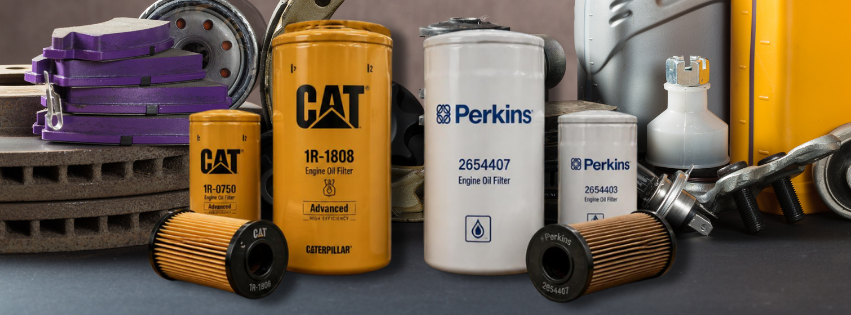
- OEM genuine: from the equipment brand (CAT, Cummins, Volvo, MAN, Perkins), sold through authorized distribution.
- Reputable aftermarket: Fleetguard, Donaldson, MANN, Baldwin, Hydac, Parker, Racor. Cross-referenced against the OEM part number, meets or exceeds the OEM efficiency spec.
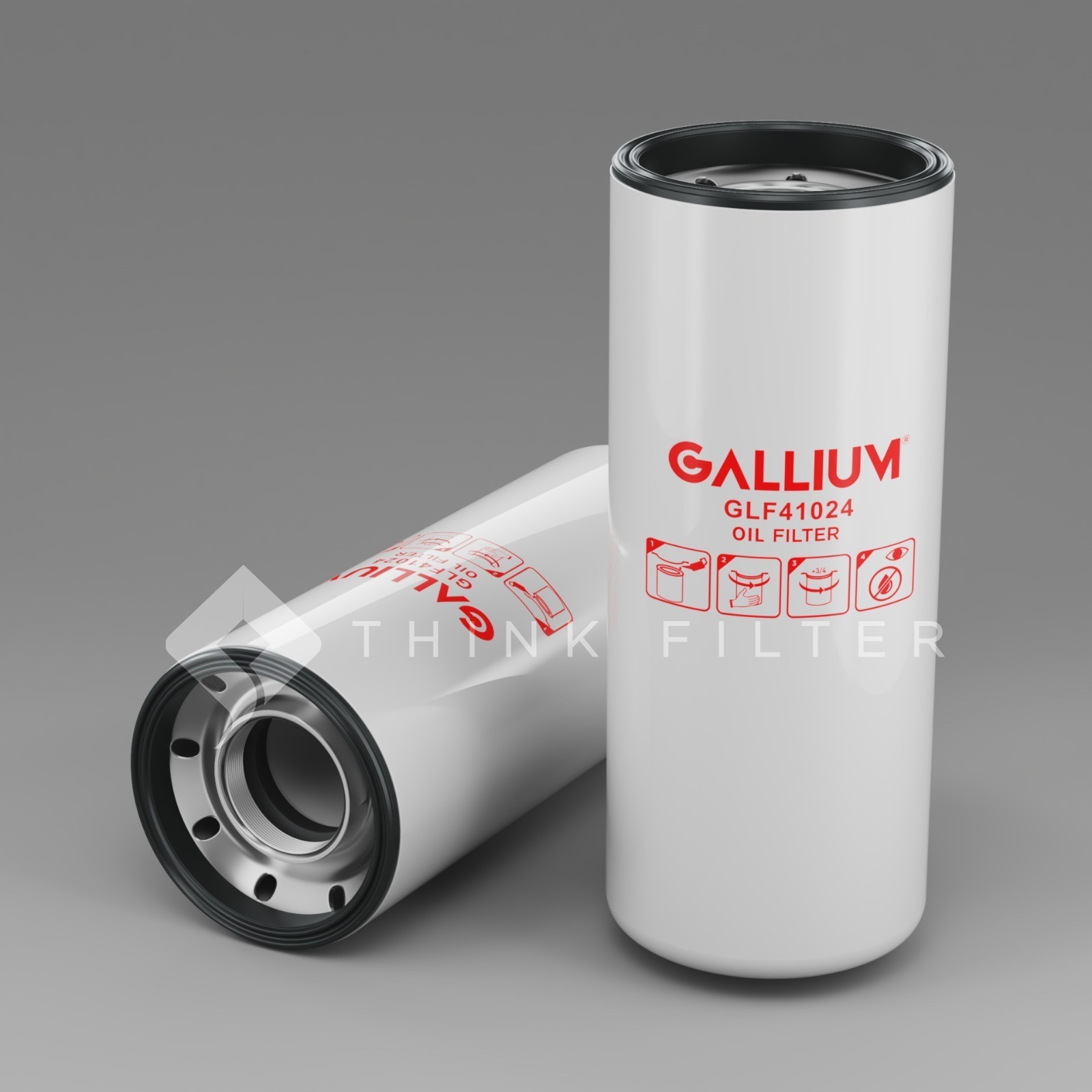
- Unbranded or clone filters: often shipped in look-alike boxes from unregulated production. No traceable beta ratio, no consistent media, no accountability if something fails.
The pricing gap between tier 2 and tier 3 typically sits between AED 15 and AED 60 per filter. That's the "saving" that gets debated in workshop procurement meetings.
The direct failure costs a cheap filter can trigger
Let's put concrete numbers against the risks. All figures below reflect UAE workshop rates and parts pricing observed across 2024 to early 2026.
- Injector replacement, high-pressure common rail: AED 3,500 to AED 9,000 per injector. A Cummins ISX has six; a CAT C13 has six. Full set: AED 21,000+.
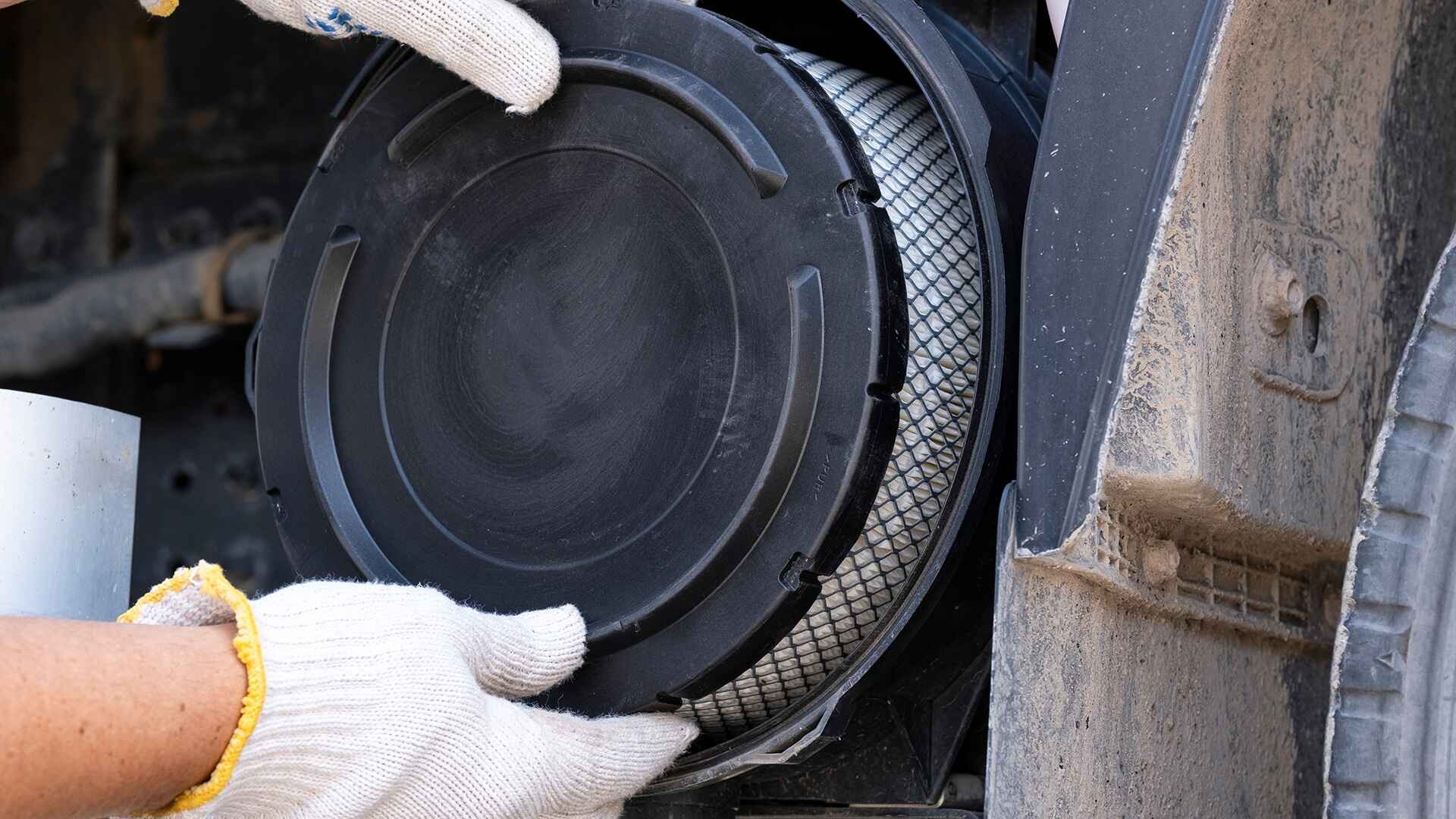
- Turbocharger: AED 12,000 to AED 40,000 depending on engine size. Airborne dust past a failed air filter is the primary cause on Sajaa and Al Ain quarry routes.
- Hydraulic pump on an excavator: AED 18,000 to AED 60,000 for the pump itself, plus system flushing.
- Servo valve on a mobile hydraulic circuit: AED 4,000 to AED 15,000 per valve, plus contamination flushing costs typically running AED 3,000 to AED 8,000.
- Warranty claim rejection on an engine failure: the entire repair bill falls back on the fleet. Rejected claims on Volvo FH, Scania R and MAN TGX engines routinely cross AED 80,000 when non-approved consumables are found in the failure investigation.
One rejected claim wipes out a decade of "savings" on filter unit price.
Why the failure mechanism is filter-specific
Cheap filters don't fail obviously. They fail slowly, in ways that hide behind other symptoms.
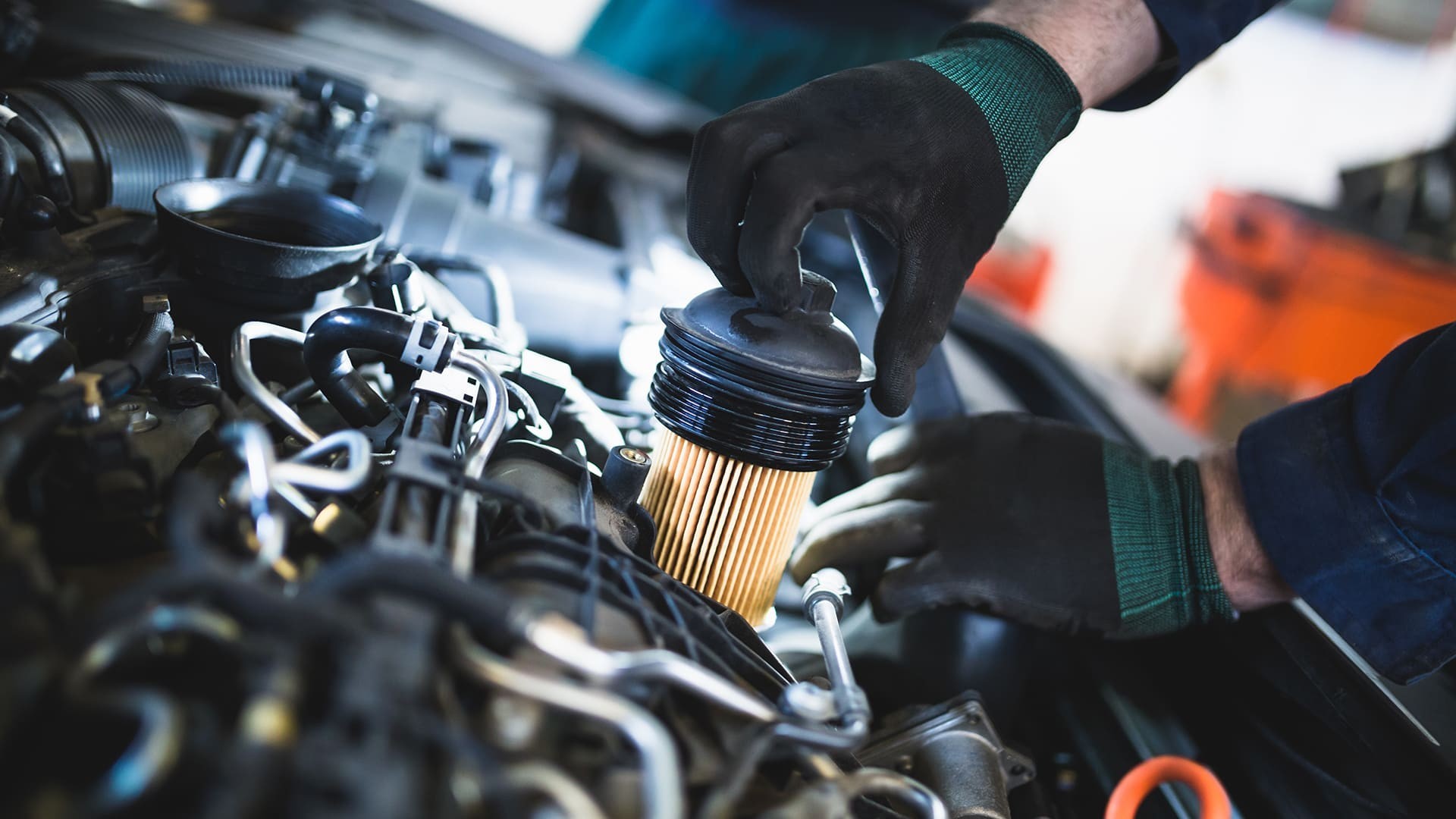
Media that doesn't hold its beta ratio lets particles through at the size that damages injectors and turbochargers most: 3 to 10 microns. That's the size range where wear happens on injector needle valves and turbocharger journal bearings. You can't see 5-micron particles in used oil analysis without a proper ISO 4406 count.
Bypass valves in cheap filters open early, sometimes at 8 psi instead of the spec 25 psi, because the spring rate is wrong or the seal geometry is imprecise. When bypass opens, unfiltered oil goes straight to the engine's rotating parts. The engine keeps running. The wear happens invisibly.
Seals in cheap filters use lower-grade nitrile that hardens fast in Dubai summer under-hood temperatures. A hardened seal doesn't leak visibly, but it lets oil bypass around the media instead of through it. Same outcome as an early-opening bypass valve.
The UAE-specific stress that magnifies cheap-filter failures
Three regional factors make the failure rate worse here than in temperate climates.
- Heat. Under-bonnet temperatures on a Volvo FH tractor idling in Al Quoz summer traffic hit 95°C to 110°C. Cheap seal materials fail earlier here than in Europe.
- Dust. Ambient PM10 during shamal events crosses 250 µg/m³ (UAE MOCCAE 2023 air quality report). Air filter media that doesn't hold its efficiency curve lets abrasive silica reach the intake tract.
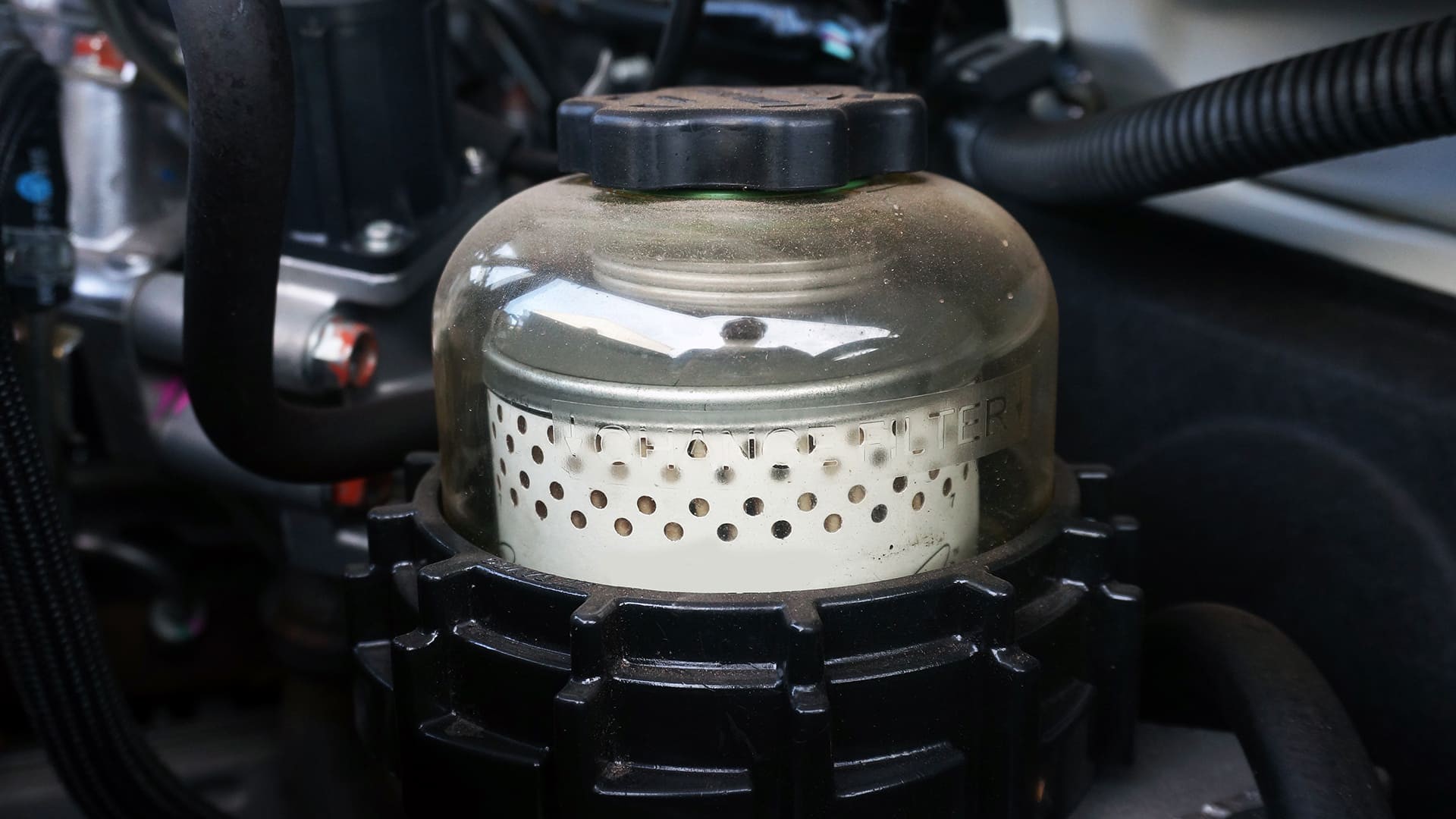
- Fuel quality variability. ULSD from major UAE suppliers meets EN 590. Drum stock from unregulated sources doesn't always. Water and biological growth in stored fuel destroy cheap fuel filter media within weeks.
Our note on air filter protection during UAE sandstorms walks through the intake side of this problem in more detail.
The unit economics: cheap filters versus reputable aftermarket
Let's put actual numbers on a mid-size UAE fleet, say 40 heavy-duty tractors doing 120,000 km per year each.
- Cheap tier-3 oil filter cost per unit: AED 25.
- Reputable Fleetguard or Baldwin oil filter cost per unit: AED 55.
- Change interval: every 30,000 km on both, but the cheap filter's media loads faster, so bypass opens earlier in the interval.
- Annual filter cost differential across 40 tractors: roughly AED 6,400 to AED 8,000.
Now the failure side. Realistic failure rates from workshop data across UAE fleets show:
- One injector replacement per fleet per year attributable to fuel filtration failure: AED 3,500 to AED 9,000.
- One turbocharger every 18 to 24 months attributable to air intake bypass: AED 12,000 to AED 40,000, annualized around AED 8,000 to AED 20,000.
- One warranty rejection every 3 years across the fleet: AED 80,000, annualized AED 26,000.
Total annualized risk exposure: AED 40,000 to AED 55,000+ against filter savings of AED 8,000. Our Fleetguard filters page has the more detailed cost model for procurement teams.
The soft costs nobody prices correctly
The direct parts and warranty numbers are the easy ones. Fleet managers routinely under-price the soft costs:
- Downtime revenue loss. A tipper off the road during quarry season loses AED 1,800 to AED 3,500 per day in earning capacity.
- Emergency towing and recovery from a Ras Al Khaimah quarry back to a Mussafah workshop: AED 1,500 to AED 4,000.
- Workshop labour overrun when a failure investigation stretches a routine service into a full teardown: an extra 6 to 12 hours at AED 250 to AED 450 per hour.
- Insurance premium creep when repeated engine failures show up on claim history.
- Driver retention: good drivers won't stay with fleets that have unreliable trucks.
None of these are visible on a filter purchase order. All of them get paid, eventually.
How the fleet maintenance checklist side of the equation matters
Filter quality doesn't fix a poor maintenance schedule, and a good schedule doesn't fix cheap filters. Both need to be right. What we see working at the Aweer counter for well-run UAE fleets:
- Standardized part numbers across the fleet, cross-referenced from the OEM catalog.
- Reputable aftermarket like Fleetguard held as authorized inventory in our warehouse, drawn down against blanket POs. See our Fleetguard range.
- Change intervals set on actual sample data, used oil analysis, air restriction gauges, not just on time-in-service.
- Filter change events logged against unit hours or kilometres so root-cause analysis has data to work with.
Faisal Karim, workshop manager for a 90-vehicle logistics fleet based in DIP, put it this way in a 2024 industry roundtable: "The day we switched off tier-3 filters was the day our unplanned downtime dropped by about 40%. The filter cost line went up by 22,000 dirhams a year. The repair cost line went down by 180,000. That's not a close call."
FAQ
How can I tell if a filter is genuine OEM or aftermarket? Genuine filters have traceable batch codes, tamper-evident boxes, and holograms or QR codes verifiable against the OEM brand's authentication portal. Reputable aftermarket (Fleetguard, MANN, Baldwin, Donaldson) carries the brand's own authentication. Unbranded clones typically have no traceability code, blurry printing, or misspelled labels.
Are all cheap filters bad? Not universally, but the risk profile is unpredictable. A cheap filter may work fine for one service interval and fail catastrophically in the next batch, because production consistency is not controlled. Reputable aftermarket brands publish their beta ratios and stand behind them.
What if my workshop buys filters and I don't specify the brand? Ask for the part number on the box, cross-check it against the OEM catalog, and request the invoice line-item to show the brand. Any legitimate distributor including us will document brand and part number on every invoice.
Does using aftermarket filters void warranty? Not when the aftermarket filter meets or exceeds the OEM specification. This is protected under the Magnuson-Moss Warranty Act in the US and equivalent principles under UAE consumer protection law. What voids warranty is a failure traced to inadequate filtration, regardless of who made the filter.
Where can I get reputable aftermarket filters same-day in the UAE? Fleetguard, Donaldson, MANN, Baldwin, Hydac, Parker, Racor and CAT filters are held as authorized inventory at our Aweer warehouse in Dubai. Same-day dispatch reaches Dubai, Abu Dhabi, Sharjah, Jebel Ali, Sajaa, Al Ain and Mussafah.
How much should a good oil filter cost for a heavy-duty diesel truck in the UAE? Reputable aftermarket oil filters for Volvo, Scania, MAN, Cummins and CAT heavy-duty engines typically sit between AED 45 and AED 120 per unit depending on size and media type. Anything under AED 25 for a spin-on heavy-duty filter should be treated with scepticism.
Sources
- UAE Ministry of Climate Change and Environment, 2023 Air Quality Report.
- Cummins Filtration technical bulletin, Filter Bypass Testing (2022).
- MEED GCC Aftermarket Parts Survey, 2024.
- ISO 4548-12:2017 : Methods of test for full-flow lubricating oil filters for internal combustion engines.
Meera Ajesh is the Chief Operating Officer at ThinkFilter, the authorized stockist and distributor of OEM and aftermarket filtration in the UAE.








 Facebook
 Instagram
 LinkedIn