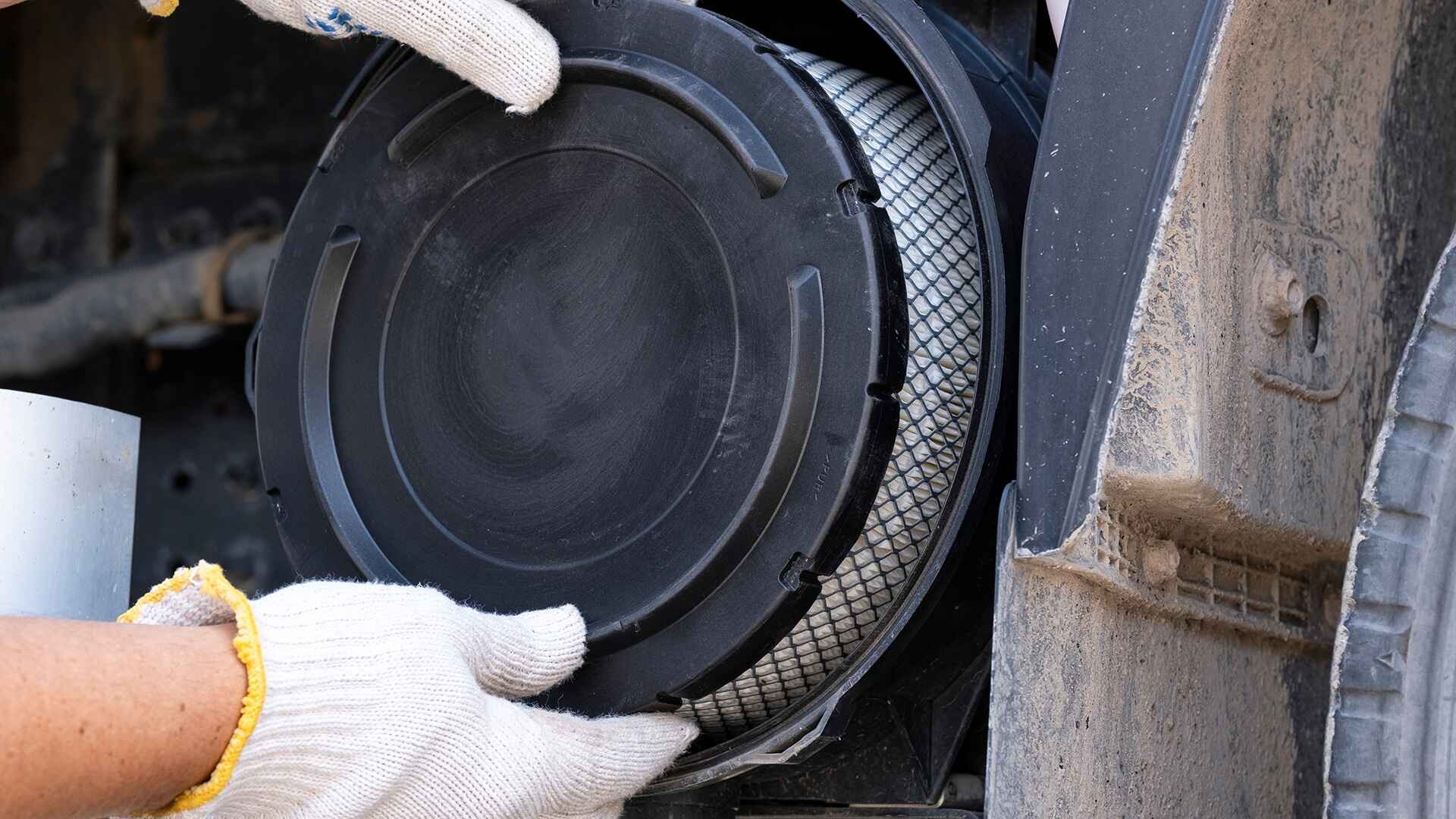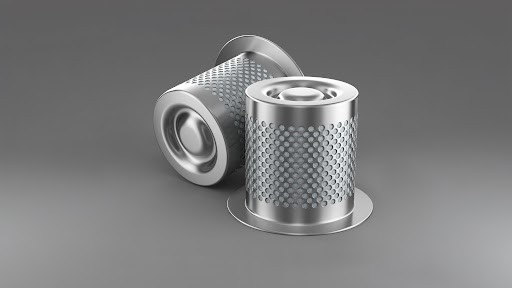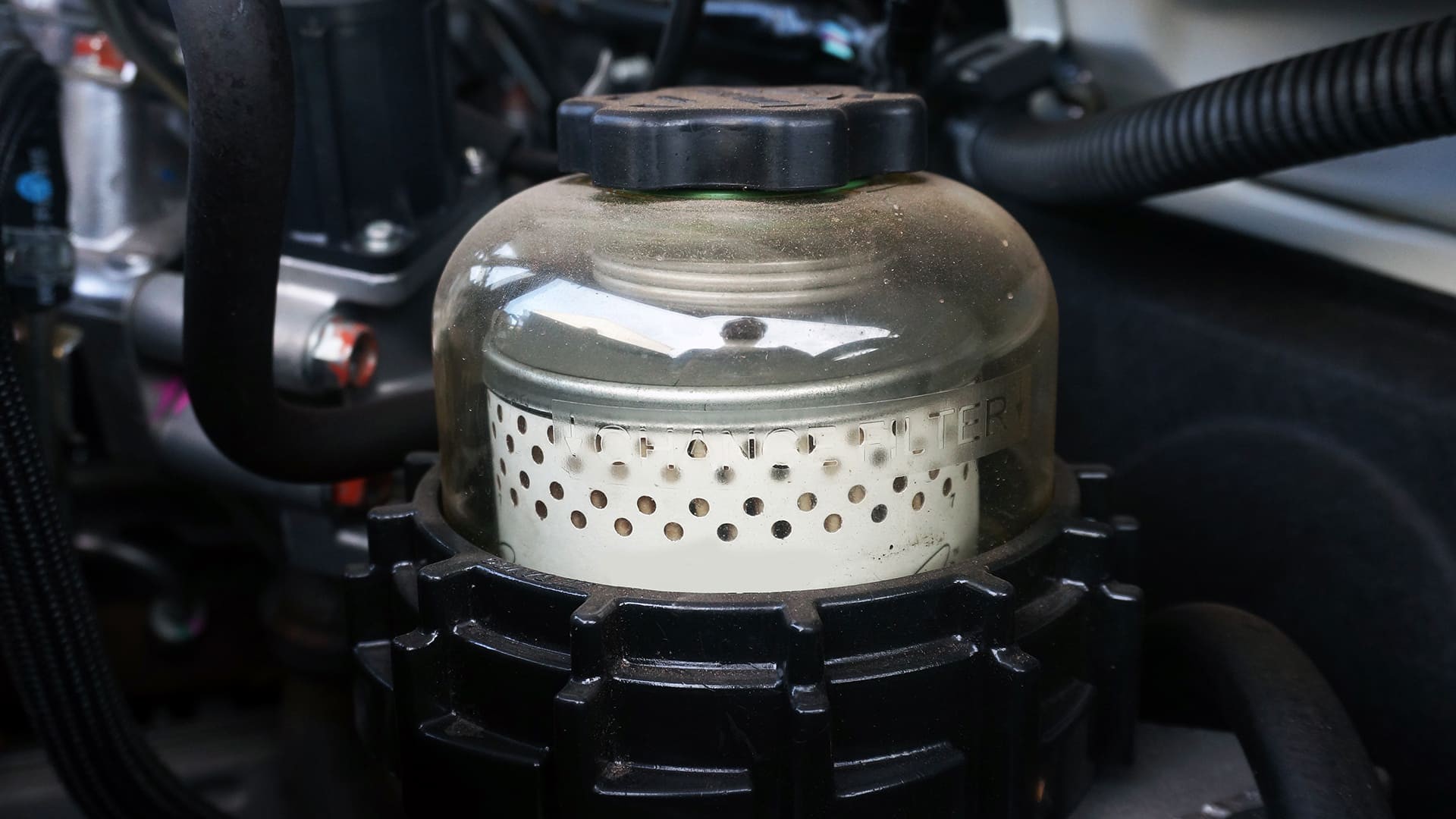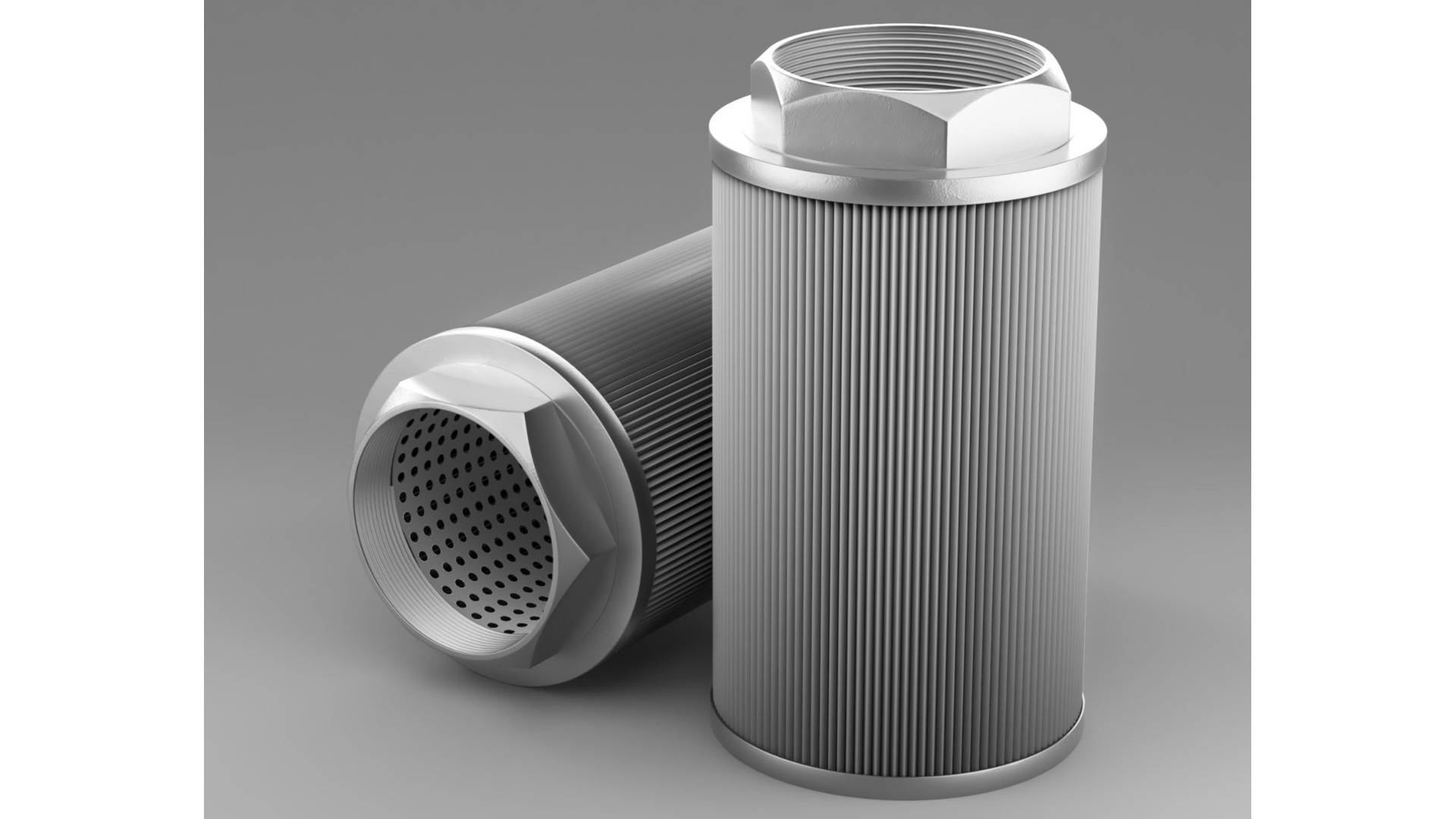
Quick answer: Nanotechnology filters use synthetic nanofiber layers, usually 200 to 500 nanometres in diameter, to capture particles that ordinary cellulose media misses. In UAE conditions, that translates to longer service intervals on dusty routes, cleaner intake air for gensets running on peak summer load, and lower ISO 4406 counts on hydraulic returns. They cost more per unit but change the maths on downtime, especially for fleets working Al Quoz, Mussafah and Jebel Ali dust corridors. Nanofiber options from OEM brands like Donaldson (Ultra-Web), Fleetguard (NanoNet), and MANN are already sitting in our air filter category inventory at the Aweer warehouse, cross-referenced from the OEM catalog and dispatched same-day across the UAE.
What is a nanotechnology filter, in plain terms?
A nanotechnology filter is not a whole new filter type, it's a media upgrade. Instead of relying only on wood-pulp cellulose (fibres roughly 15 to 20 micrometres across), a nanofiber layer of polymer fibres sits on top. Those fibres are about a hundred times finer. Small particles that would slip through the gaps in cellulose get caught on the nanofiber layer instead of loading up inside the depth of the media. The result: higher efficiency at the same or lower pressure drop, and dust cake forms on the surface where it can be cleaned or replaced without embedding.
Donaldson's Ultra-Web patent filings in 2017 put the fibre diameter at 0.2 to 0.3 microns, layered onto a cellulose substrate for strength. Fleetguard's NanoNet uses a similar meltblown-plus-nanofiber sandwich. Both approaches are covered by the same principle: capture at the surface, not through the depth.
Why nanofiber media matters in the UAE dust load
Ambient PM10 readings in Dubai and the Al Ain corridor regularly cross 250 µg/m³ during shamal events, according to the UAE Ministry of Climate Change and Environment 2023 air quality report. That's roughly five times the WHO annual guideline. A cellulose air filter on a Volvo FH tipper running Ras Al Khor to Sajaa aggregate quarries doesn't wear out from age, it clogs. Nanofiber media pushes the point where restriction hits the wastegate limit further out, which is why workshop foremen in Al Quoz are quietly switching to Donaldson PowerCore and Fleetguard NanoNet on newer trucks.
Marine chief engineers in Fujairah anchorage have a slightly different problem: salt fog and airborne hydrocarbon aerosols coming off bunker operations. The nanofiber surface handles those liquid aerosols without the wicking that ruins cellulose. Racor and Parker have moved most of their industrial air intake catalog to nanofiber-composite media for the same reason.
How nanofiber compares to cellulose and synthetic
Three media families now compete for the same slot in a filter housing:
- Cellulose: wood pulp, cheapest, depth loading, replace on time-in-service.
- Synthetic (meltblown polyester or polypropylene): better moisture and pulse resistance, higher cost, longer life.
- Nanofiber composite: cellulose or synthetic substrate with a nanofiber top layer, highest efficiency, surface loading.
We break the trade-offs down properly in our comparison of synthetic and cellulose filter media. For nanofiber specifically, expect roughly 40% to 60% longer service life at the same beta ratio, based on Donaldson's field study data across US mining fleets, and that's before you factor in the UAE dust bias.
Which UAE use cases actually pay back the nanofiber premium
Not every application justifies the upgrade. Nanofiber pays back when three conditions line up: high dust concentration, high engine hours, and expensive downtime.
- Long-haul and quarry fleets running Sajaa, Ras Al Khaimah and Al Ain routes. Air filter change intervals double in most reported cases.
- Standby gensets on hospital and data centre sites where the machine sits idle 90% of the year but must fire on the first crank during a 48°C summer outage.
- Mining and cement plant intake systems in Fujairah and Ras Al Khaimah, the abrasive silica load destroys cellulose fast.
- Marine engine room ventilation where salt fog defeats standard pleated cellulose within weeks.
- HVAC pre-filters on Dubai high-rise chillers where MERV 8 cellulose loads with rooftop dust in half its rated life.
Passenger-car applications are not in scope for ThinkFilter, that's a different retail channel and a different problem set. The equipment we support is industrial, heavy-duty, marine, power generation and HVAC.
Which OEM brands offer nanofiber options in the UAE right now
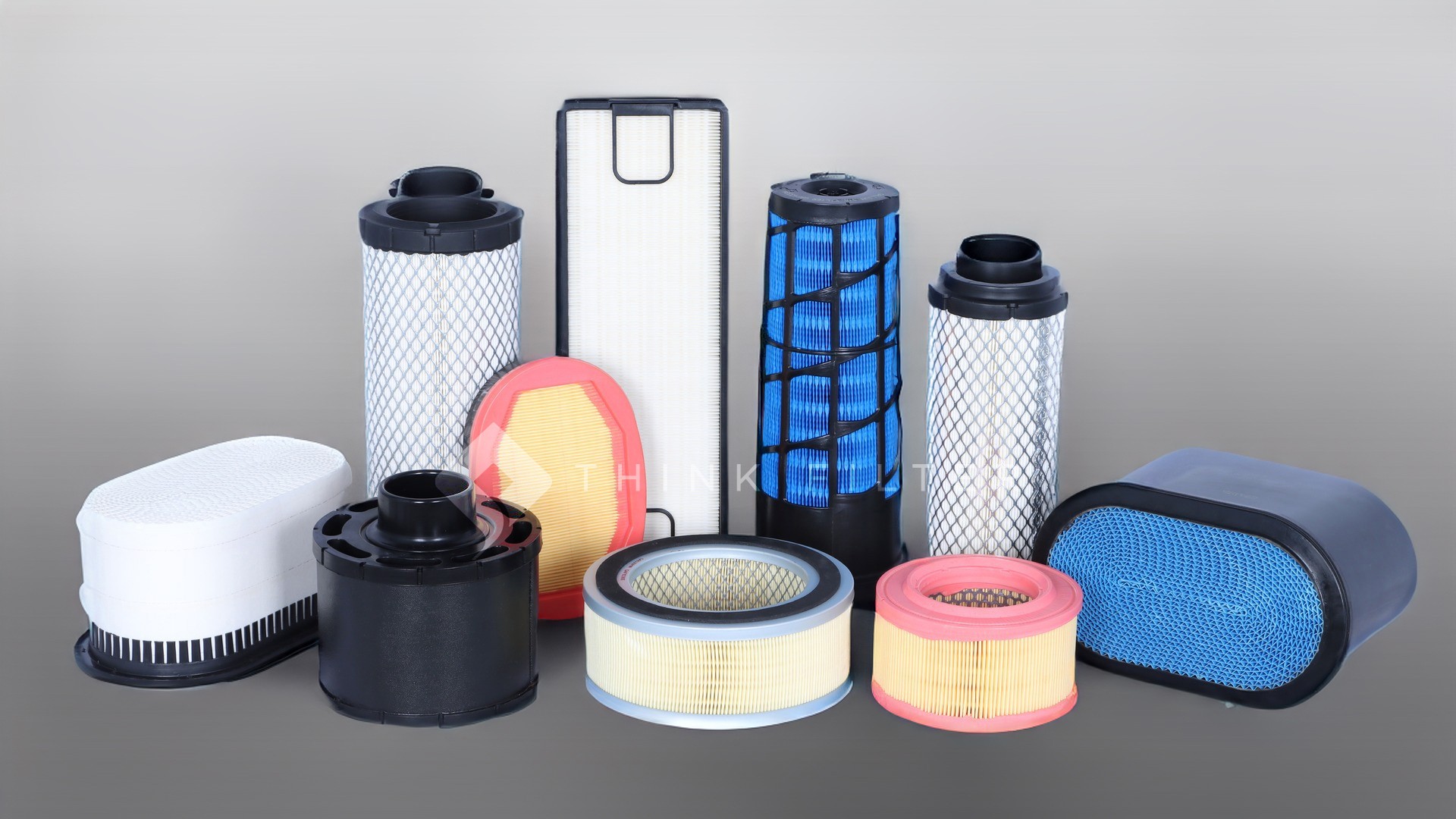
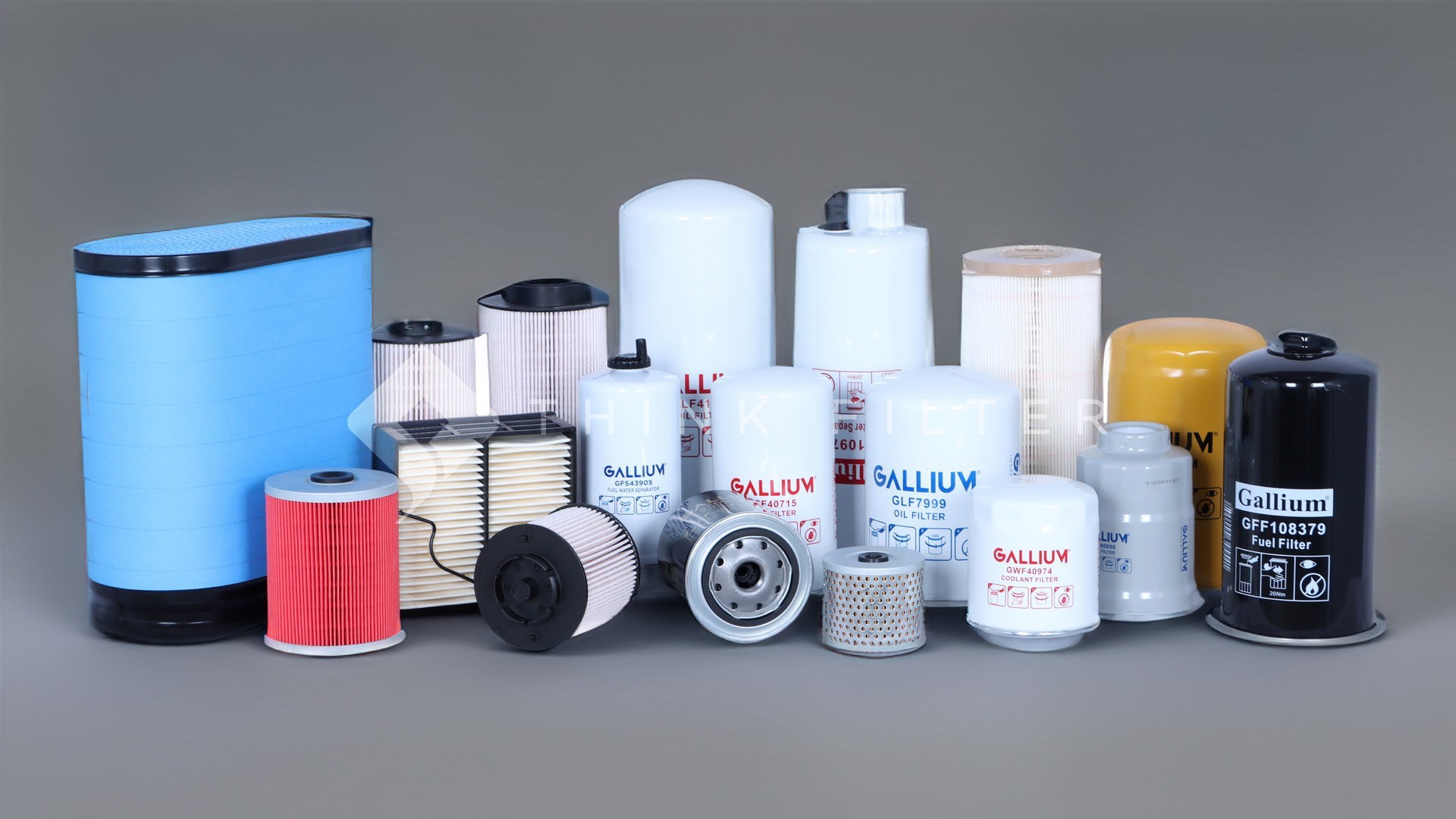
The four brands most commonly cross-referenced at the Aweer counter for nanofiber-media requests:
- Donaldson: Ultra-Web air filters, Blue filtration for hydraulics. Widely available in our Donaldson filter range as authorized inventory.
- Fleetguard (Cummins Filtration): NanoNet for air, NanoForce for fuel-water separation on Cummins ISX and X15 engines.
- MANN+HUMMEL: NanoClass air and NanoClass Cube for high-restriction industrial intakes.
- Baldwin: RS-series with nanofiber composite for on-highway trucks and off-highway equipment.
All four are cross-referenced from the OEM catalog against local part numbers before dispatch. If a fleet is standardized on a specific brand's part number, we hold the exact OEM SKU in stock rather than pushing a substitute.
What nanofiber media does not fix
It's easy to over-sell any media upgrade. Nanofiber is not magic:
- It does not extend oil filter life meaningfully. Oil filters are limited by contaminant loading capacity, not surface efficiency, the micron rating conversation matters more there.
- It does not compensate for a torn seal, a damaged canister, or a wrong-spec housing. Bypass through a bad seal ignores whatever media sits inside.
- It does not survive being cleaned with compressed air past its rated cycles. Most OEM guidance is one or two carefully controlled air pulses, then replace.
- It is not the right choice for very light-duty applications where the extra cost never gets recovered.
Nikhil Rao, technical lead at a Dubai-based construction rental yard, put it this way in a 2024 UAE Trucking Association panel: "Nanofiber has cut our air filter spend on quarry excavators by roughly 45%, but only because we were changing cellulose filters every 180 hours. If your fleet already runs 500 hours between changes on cellulose, the payback shrinks."
How to specify nanofiber filters for a UAE fleet or plant
A clean specification exchange looks like this:
- Start with the OEM part number from the equipment service manual.
- Note the current media type and change interval actually being seen (not the manual's recommended interval).
- Confirm the housing bypass valve and pressure differential indicator specs.
- Cross-reference against the OEM catalog for a nanofiber-composite equivalent, for example a Donaldson Ultra-Web cross for a standard cellulose element.
- Run a monitored trial on two identical units, one nanofiber, one cellulose, with a common intake vacuum log for at least one service interval.
We handle steps three and four at the counter routinely. Bring a part number, a photo of the housing, or a service manual page, and we return a cross-reference the same day.
FAQ
Are nanotechnology filters the same as HEPA filters? No. HEPA is a filter performance classification (99.97% at 0.3 microns for HEPA H13) usually applied to clean rooms and hospital air. Nanofiber is a media construction technique used across air, hydraulic and fuel filters. A HEPA panel may or may not use nanofiber. Most industrial nanofiber air filters do not meet HEPA thresholds and are not marketed as such.
Do nanofiber filters need special disposal in the UAE? Used air and oil filters, nanofiber or otherwise, are treated as hazardous waste under Dubai Municipality Local Order 61 when contaminated with mineral oil or fuel. Approved processors like Bee'ah and Enviroserve handle drainage, crushing and steel recovery. See our note on recycling used oil filters in the UAE.
Can I clean and reuse a nanofiber air filter? Only within the OEM's stated pulse-clean cycles, and only if the housing is designed for it (typical PowerCore, PowerPleat, or panel-pulse setups). Reverse-pulse air cleaning outside spec tears the nanofiber layer. When in doubt, treat nanofiber filters as replace-only.
Are nanofiber filters worth it for a small fleet under 20 vehicles? Usually yes if the fleet works in dust-heavy zones like Sajaa, Al Ain or DIP, and no if it runs mostly on paved highways with clean intake. The break-even is where doubled service intervals outrun the roughly 30% to 50% price premium per filter.
What brands of nanofiber filters are in stock in Dubai for same-day dispatch? Donaldson Ultra-Web, Fleetguard NanoNet, MANN NanoClass, and Baldwin RS-series are held as authorized inventory at the Aweer warehouse. Standard cross-references for CAT, Perkins, Volvo, Scania, Cummins and MAN engines are dispatched the same day across Dubai, Abu Dhabi, Sharjah, Jebel Ali, Sajaa, Al Ain and Mussafah.
Do nanofiber filters affect engine warranty? Not when the cross-reference matches the OEM part number's efficiency and bypass specifications. Most engine OEMs, Cummins, CAT, Volvo, MAN, publish accepted alternate media types. Confirm the cross-reference against the service bulletin before switching a warrantied unit.
Sources and further reading
- Donaldson Ultra-Web technical bulletin, Filter Media Technology (2017 revision).
- Fleetguard NanoNet white paper, Cummins Filtration Technical Library.
- UAE Ministry of Climate Change and Environment, 2023 Air Quality Report.
- ISO 5011:2014 : Inlet air cleaning equipment for internal combustion engines and compressors.
Meera Ajesh is the Chief Operating Officer at ThinkFilter, the authorized stockist and distributor of OEM and aftermarket filtration in the UAE. She leads cross-reference and specification work at the Aweer warehouse counter.










 Facebook
 Instagram
 LinkedIn